How This Website is Helping Solve the Mental Health Crisis





Flexible funding solutions designed for sustainable growth of Wisconsin companies.
Episode Summary
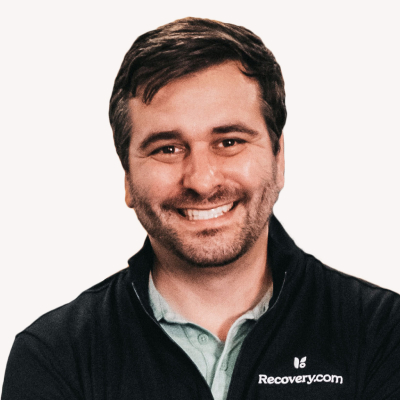
Ben Camp built Recovery.com to solve a critical problem: millions searching for addiction and mental health treatment don't know where to start or who to trust. Instead of launching in the crowded US market, Recovery.com tested their freemium model in India first, fine-tuning patient acquisition before scaling stateside. The company's defining moment came when Ben bought the Recovery.com domain, transforming their brand overnight. His challenge has been balancing mission-driven healthcare with business incentives without compromising patient trust in an industry where credibility is everything.
A great discussion for healthcare founders navigating trust-based industries, mission-driven entrepreneurs wondering how to scale without losing purpose, or anyone building freemium models in complex markets. Ben shares lessons from their first investor, why testing internationally helped them avoid expensive US mistakes, how they think about acquisitions as a growth strategy, and when leaders should step back and let teams lead. Covers fundraising through Series B, early hiring decisions that shaped company culture, strategies for maintaining patient-first values while achieving business growth, and what's ahead as Recovery.com continues reshaping mental health and addiction care access across the country.
Key Learnings
Test Your Startup in a Market Where Nobody's Watching
Ben and his co-founder didn't launch Recovery.com in the US right away. They started in India. Why? The US had entrenched competitors dominating SEO, and they knew it would be an uphill battle. India gave them a large English-speaking market with zero competition to test their freemium model and refine the product. It's not the typical startup playbook, but it let them build confidence before going head-to-head with bigger players at home.
Revenue-Based Financing Can Be a Smart Alternative to VC
Not every funding round needs to be venture capital. Ben has used Lighter Capital for four or five revenue-based loans since 2018. It's more expensive than a traditional bank loan, but way more accessible for startups without assets. The big upside? You don't dilute your ownership. Ben uses this approach strategically, sometimes to bridge the gap until they hit the right benchmarks to raise at a better valuation.
Your Local Startup Ecosystem Can Build Your Entire Leadership Team
Recovery.com spent four years at StartingBlock in Madison. That's where Ben met their first seed investor, their CFO, their head of marketing, and their head of partnerships. Most of those relationships started as informal conversations or fractional work before turning into full-time roles. If you're a founder, don't underestimate the people right next to you in your coworking space.
A Domain Name Change Can Unlock Your Mission
The company started as Rehab Path, but the name started to conflict with their mission. "Rehab" felt narrow, tied to residential treatment and substance use. "Recovery" is broader, more positive, and applies to mental health too. Buying Recovery.com was a big investment, but it aligned the brand with where they were actually going. Sometimes a rebrand isn't about marketing. It's about clarity.
Build a Business Model Where Mission and Revenue Aren't in Conflict
Ben says he's never had to make a decision that was better for the business but worse for patients. That's by design. Their freemium model gives treatment centers value for free, and paid upgrades happen naturally when centers want more. When your revenue grows alongside your impact metrics, you don't have to choose between doing good and doing well.
Founder Mode Is Real, But Use It Wisely
As your team grows, you have to let go of things. That's the job. But Ben's learned there's still value in jumping back into the weeds when it matters. The key is knowing when to do it without breaking trust with your team. You have the most context on the business, and sometimes that perspective is exactly what a project needs to move forward.
You Can Be the Market Leader and Still Be Early
Recovery.com is the leader in their space. But when Ben looks at the millions of people who need mental health treatment, and the millions who never get it because they don't know where to turn, he sees single-digit market penetration. That's the mindset. Even when you're winning, there's still a massive opportunity in front of you.
Transcript
[00:00:00] Ben Camp: I was at this treatment center and the owner was like, just FYI, like almost all of these clients came here from finding us on your website, and it's just a very cool thing to be like actually seeing the impact in person of that connection that was made on the internet.
[00:00:20] Jacob Miller: Hey, everyone. Welcome back to the Startup Wisconsin Podcast, a show where you can learn about Wisconsin's growing tech scene through stories of startups, founders, investors, and the talented people making it all happen.
[00:00:33] Jacob Miller: My guest today is Ben Camp, CEO, and co-founder of Recovery.com. They're building a better way for people to find addiction and mental health treatment online. Ben started with a marketing agency background. Helping treatment centers find patients. That's where he saw the problem firsthand. People in crisis turning to the internet for help only to find websites, taking advantage of them in nefarious ways before tackling the US market.
[00:01:01] Jacob Miller: Ben and his co-founder tested their model in India first. It's not the typical startup playbook, but it'll let them refine their freemium business model. Before going up against entrenched competitors at home. That strategy eventually led to raising a series B round of funding in a competitive process with multiple term sheets.
[00:01:20] Jacob Miller: But Ben's honest about where they stand. Despite being the market leader, they're still only reaching single digit percentages of the millions who need help finding treatment. We talk about why he chose revenue-based financing over traditional VC at Key Moments. Acquiring RedFox AI out of StartingBlock in Madison and what it takes to become a household name in healthcare.
[00:01:42] Jacob Miller: Alright folks, let's get into it. Alright, so I wanna jump into kind of like the origin of Recovery.com and I know it wasn't always called that. Um, in other interviews you said that it was kind of started out of frustration of how people could find treatment and the ways that people went about discovering it and that whole journey.
[00:02:01] Jacob Miller: So what kind of inspired you and your co-founder? To, to build it.
[00:02:06] Ben Camp: My co-founder and I have a marketing background, and so we were helping, um, addiction treatment centers, uh, find patients. So, um, you know, we were working on their branding, their, their marketing and, and the. And advertising, um, to basically get people into the door of a treatment center.
[00:02:25] Ben Camp: And, you know, we were realize there's a lot of stigma around, you know, mental health treatment and a lot of people just really don't know where to turn. So as we were doing that, we learned a lot about the needs of. Treatment centers as they are, you know, working on their marketing and getting their name out there.
[00:02:43] Ben Camp: But we also learned about the patient journey that was, and a lot of the problems there. Um, I think there's an, there we saw an opportunity and the opportunity is the fact that more and more people were turning to the internet with their, you know, mental health or addiction, uh, issues. So they were, you know, if, if you needed.
[00:03:03] Ben Camp: To go to treatment, you were turning to the internet, which is great 'cause you could do that without many stigma. But then the problem was, besides it just being a complicated and difficult kind of journey and process, there were websites and there still are today, that are taking advantage of those people in their time of need.
[00:03:19] Ben Camp: Um, in a lot of like nefarious ways. You know, kind of the, we understood kind of both sides of the marketplace and how we could add value. And so we, we launched that officially in 2017. After. Incubating it, um, for a few years, uh, together.
[00:03:35] Jacob Miller: Yeah. Was there like kind of like a, a, a moment? I don't know. I know you had mentioned in other interviews I did a little bit of research, you know, as a kid you kind of had an entrepreneurial, like, kind of mindset, um, and had done different, different things.
[00:03:49] Jacob Miller: I think you'd mentioned something like eBay, uh, selling things on eBay. Um, and it, it just, you just always knew like, oh, I, I like, I like doing the, doing things on the internet, like buying, selling things, uh, and, and doing some type of commerce mm-hmm. For the internet. What was it about, like this thing to be like, Hey, I want to be a founder and this is my first way to do it in a more scalable way versus just like the eBay stuff.
[00:04:15] Ben Camp: I mean, yeah. I think as a kid, I, once I got introduced to the internet, I do feel like I, I started. Thinking that it was a bit of a dream to kind of have a business that was internet based. And again, that was like super early days. How, um, it developed a little bit was, um, you know, some of the. Clients that we worked with in the marketing agency were startups in the Bay Area.
[00:04:40] Ben Camp: So I was getting real, a lot of exposure to kind of, uh, tech startups and what that looks like and what kind of really scalable companies that can make a really big impact on the world look like. And it, it was really fun to get that type of exposure and meet the people that were working on those. I didn't at that moment think that I was gonna.
[00:05:01] Ben Camp: Start one myself. But I, I definitely loved interacting with them and doing, you know, we were working on the marketing side typically with them. Um, so a lot of times we were kind of serving as an in-house marketing agency, uh, or, or in-house marketing team even for. Um, some of those companies and, you know, got to kind of develop some cool products and just work across.
[00:05:23] Ben Camp: Um, it, it was really neat to be living in Madison, but kind of getting to work with a lot of these Bay Area startups and getting to visit there. So I think that was inspiring. And I think as we started, my co-founder and I thinking about, you know, what became Recovery.com, we were starting to think of it in the same way.
[00:05:40] Ben Camp: We saw that this was a. Really large opportunity and problem that we could tackle with tech and with our experience and kind of user experience. Um, and kind of building, you know, seeing what a tech enabled business looks like. I think did lay the groundwork for us being able to confidently kind of start this ourselves.
[00:06:04] Jacob Miller: Yeah. What were kinda like the first like, initial steps that you and your co-founder kind of took? Was it like, Hey, let's, can we build something? Or was it like we should just pitch the idea to a bunch of investors or do some pitch contests or what? Like what was maybe that first like one to six months like of like the idea to have been like, let's make it a real thing.
[00:06:24] Ben Camp: Yeah, it was very product driven. It's like we built something so, um. This was well before we kind of officially started the company and like I started working on it full time. So before that we were again kind of incubating the idea. And one of the first things that we did, and this was my co-founder's idea, was to launch a website in India, uh, which is a very unique, uh, road to building a startup, I would say.
[00:06:51] Ben Camp: But the reason we did that was we were looking at the US market and there were some. Entrenched players that, you know, we didn't really think that they were doing a very good job, but they were kind of entrenched and like, especially on the SEO side, it was a gonna be a pretty big up uphill battle to kind of unseat them.
[00:07:10] Ben Camp: So, you know, my co-founder was very clever and was like, well, like what's a really large English speaking country that we could test this out in? Pretty quickly we were like, oh, we could try this in India. No one is doing it. But there's actually a lot of treatment happening in India for addiction and so we, you know, from Wisconsin, we're learning about the India treatment market and decided to build a website and like kind of.
[00:07:35] Ben Camp: See if we can make that a viable thing. And that's pretty cool. So we started getting some traction there. That's how we started to like, refine our business model. We basically had, I mean, we've always, from day one had kind of a pre a freemium model, uh, to our, to our business. So we give. Treatment centers value for free by listing them on our site.
[00:07:57] Ben Camp: And then that leads to a really nice, like upsell motion where they're getting value. And then a lot of times, especially in the early days, we were just relying on people reaching out to us for the most part and saying, oh, how can I like, get more value out of this? And that's where we would sell them, like additional advertising.
[00:08:14] Ben Camp: So, um, so we started learning about that in the India market and started getting some traction. I think that gave us the confidence to get this running as a, as a real scalable business.
[00:08:27] Jacob Miller: Yeah. What was, what was it like raising funding? Had either of you like done that before and kind of what was that experience like?
[00:08:35] Ben Camp: You know, in terms of how we've kind of split up things, like I mostly focused on the fundraising and. I knew nothing about it, and I think that I learned a lot from the particularly Madison startup ecosystem. Um, so just by, you know, we decided to be. Located in StartingBlock. We were there for about four years and you know, through that kind of through osmosis of like talking to other founders and then also going to some of more like the intentional programming and networking opportunities that were happening in the building.
[00:09:06] Ben Camp: I do think I was able to pick up a lot of practical knowledge on how it all works and then, then just doing it. You know, dozens of times with warm intros that you get to investors, um, you know, that really helps refine your pitch. And like, I think also there were some pitch competitions that I was involved in that helped, um, from like the Chamber of Commerce here as well as capital entrepreneurs.
[00:09:32] Ben Camp: That helped me just refine how I talked about the opportunity and like the, our traction and, and stuff like that. So I think that that process just involved me learning a lot because again, like I had never done it before, but just learning and then ultimately in some ways I feel like it can be just down to luck in terms of it actually working.
[00:09:54] Ben Camp: 'cause it's like, yeah, you try so many times and you're not really guaranteed, but we happen to our first like kind of. Seed investor that we, we met through StartingBlock. You know, he just came into our office. He had recently exited a company and was just looking for, you know, interesting opportunities to invest in.
[00:10:12] Ben Camp: And so it just kind of being somewhat at the right place, the right time. But we had already refined our story and I had been a. Pitching it to others. And I think, you know, he might have heard about it through that. I don't remember, but
[00:10:22] Jacob Miller: Sure.
[00:10:22] Ben Camp: Um, so that was kind of our first one. That first investor that you had, do you feel like this person was a really good strategic partner for you?
[00:10:29] Ben Camp: You know, helping you with, uh, more connections to the industry, getting more
[00:10:32] Jacob Miller: customers, stuff like that?
[00:10:34] Ben Camp: I think it was less on kind of the introducing us to. Customers, but much more on the kind of at the board level. In some ways it was really helpful. 'cause I mean, I think before that we didn't, I mean the board was just me and my co-founder and then like, you know, we added, we kind of actually had a board now that he was there.
[00:10:55] Ben Camp: And I think having, starting to have some rigor around that was really helpful. And you know, being able to ask him for advice. And, um, you know, also get his input on what's, what's going well, what's not was really helpful. And he helped us make some good strategic decisions. He also had some, you know, the, the business that he scaled, um, was like in cancer clinics actually.
[00:11:18] Ben Camp: So there was like some things that he did in his business that were kind of similar to ours, and that was really helpful. And then ultimately, the best. Uh, kind of intro that he made for us was to our series A investor, HealthX. 'cause he had been an investor with 'em and like was able to make that warm intro that ultimately led us to raising a series A.
[00:11:39] Ben Camp: So it, you know, has been really helpful.
[00:11:41] Jacob Miller: Awesome. Uh. I kind of wanna move into just the nature of the business that you're in. You know, it's a very, like, you know, it's, it's patient first, you know, being helpful to everyday people that are dealing with all these different types of problems in their life.
[00:11:55] Jacob Miller: But it's also, you know, a profit driven industry. Like, you know, there's like, Hey, you wanna help the world and have social impact, but you also have to pay the bills, right? There's, there's this interesting kind of balance to that. So how do you balance the mission? Of what you're doing with the reality of growing a financially healthy business over time as it's been scaling up?
[00:12:15] Ben Camp: I think for us, having a business model that is patient first that we, you know, kind of have had from the outset has really helped. I think our key differentiator and why we've been successful is the product that we built is truly putting the patient first and like our revenue model doesn't get in the way of that.
[00:12:36] Ben Camp: Um, and so. There hasn't been a lot of, uh, times that I can think of where those were in conflict, um, which we're really lucky to have. And I think one thing that's really helpful there is to kind of be able to control your own destiny as far as like, I, I think a lot of times those. Conflicts can start if you have misaligned kind of board members or investors that you know might want you to do things that are against the principles that you founded the company on.
[00:13:04] Ben Camp: So, you know, I'm thankful for having a really strong co-founder and then being able to bring on investors that, you know. Appreciate and what we're doing and like, you know, want us to continue what we're doing. And then also there's like, that's nice, but also like when, if I'm talking to a founder, it's like, well make sure that you maintain control as long as you can too.
[00:13:24] Ben Camp: Like there's a lot of really, you know, practical things when you're looking at the details of any deal that you're taking from an investor to try to maintain control if you, you know, really believe in what you're doing to be able to kind of continue doing it. So I'm fortunate that there hasn't really been anything that.
[00:13:41] Ben Camp: We've come across that we have to kind of make, you know, a decision that's like better for the business than for patients. I think we've been able to grow the business in line with that. Like we are able to look at our revenue metrics and then also our like impact metrics, which are connections with treatment centers and see those grow really in line, which then that leads to like value for our, you know, paying customers.
[00:14:03] Ben Camp: So,
[00:14:04] Jacob Miller: yeah. How do the impact metrics, how is that set up? Like what does that look like? Is there. A questionnaire that goes to these clinics every month to get the data? Or is there kind of I, I don't really know if there's platforms that connect that stuff. How do you guys track that?
[00:14:18] Ben Camp: Well, overall, we look at like phone calls that happen through our website to treatment centers as well as like some other.
[00:14:25] Ben Camp: Things like, you know, in information requests, chats, verification of benefits, things like that. Um, and we call those connections. Um, and so we just kind of group those together. We track the connections that happen on our website and then, which is great 'cause that actually, you know, that serves centers that are, are paying us and ones that aren't.
[00:14:46] Ben Camp: Um, 'cause we have that freemium approach, but then mm-hmm. For the centers that do pay us, you know, our customer success team meets with them pretty frequently to kind of go over the value that they're getting and, you know, make sure that not only are they getting calls, but like that the people that are calling are coming to treatment.
[00:15:05] Ben Camp: And, you know, that's kind of, that's how they measure the value.
[00:15:08] Jacob Miller: Yeah. Because you can't like guarantee that people that, you know. Fill out a form or make that call or actually gonna follow through and, and like go to that, that clinic or through that program, that paid program or whatever. But I think. But what you're doing is like, you're just increasing the chances of that happening happening and then also just increasing the awareness that, hey, these services and these resources are available to you.
[00:15:32] Jacob Miller: Is there like a specific moment or like a story that, you know, you've been building this thing for almost 10 years that you, that like really sticks with you, like of like impact that you've made through Recovery.com?
[00:15:44] Ben Camp: I think there's kind of two ways that I would answer that. So I think, yeah, on the patient side, like it's very special to go visit treatment centers.
[00:15:52] Ben Camp: I've been to, you know, dozens of them or probably more throughout the world and it's pretty cool to go, you know, I remember being at somewhere I was. At this treatment center and the owner was like, you know, we were talking to some of the clients. He is like kind of said to me like, just FYI, like almost all of these clients like came here from finding, you know, your US on your website.
[00:16:18] Ben Camp: And it's just a very cool thing to be like actually seeing the impact in person. Of, you know, that connection that was made on the internet. And I feel like there's been a number of stories like that where I'm talking to a, a treatment center that is able to point directly to that impact. And that's both on the, just helping, uh, them side, like helping the patients like get better.
[00:16:41] Ben Camp: But also, you know, a lot of these people start. These businesses out of a also very obviously mission-driven and impact kind of perspective. Like they wanna say, you know, change people's lives and like save lives really. But running a business is hard and the marketing side can be really difficult. So, you know, having people tell me like, we wouldn't be in business if it wasn't for you guys is really cool and like speaks to like having that really strong partnership that is helpful.
[00:17:09] Ben Camp: So. That type of feedback definitely keeps me going. I don't get as much direct patient stories because we're typically kind of, you know, they're, they're going to the treatment centers and, and they're the ones that are kind of developing that relationship. But, um, you know, occasionally we will have patients reach out and tell us that we basically, you know, save their lives because they, they found treatment on our website and, um, yeah, that's obviously you
[00:17:33] Jacob Miller: were just
[00:17:34] Ben Camp: very rewarding.
[00:17:35] Jacob Miller: You were just like that first step. Like that's, and sometimes that's what people need 'cause they didn't even know what the first step is. So, yeah. That's incredible.
[00:17:43] Ben Camp: Yeah. A moment that stands out to me in my kind of journey as a founder is when we decided to purchase the domain name Recovery.com. So that was like a big pivot point.
[00:17:54] Ben Camp: You know, we started the company as Rehab Path and had. Built a really good foundation and like reputation and, and business, but we were finding that that name was holding us back a little bit for, you know, a few different reasons. So it was really cool to have clarity as like a founder on on that and be able to kind of pivot and like find this opportunity to purchase the domain name Recovery.com and make that decision like quite quickly.
[00:18:22] Ben Camp: And it's really been extremely rewarding and it has worked out really well.
[00:18:27] Jacob Miller: Yeah. What, so Rehab Path, what? What was the findings about it? Was it just because the word rehab kind of put you into this corner? Like what, how people perceived you?
[00:18:38] Ben Camp: It was becoming a bit of a conflict with our mission. So we think of ourselves as helping people find that next step for them in their recovery journey.
[00:18:48] Ben Camp: I mean, that's not always going to rehab and in fact, like rehab is often like. You know, it's the part of the journey that a lot of times it's not the most fun part for sure. Mm-hmm. And sometimes, but it's sometimes very necessary and like, you know, it's important and we talk about it, but it's not like our goal is to just help people get into residential treatment.
[00:19:07] Ben Camp: We actually are helping people get into all sorts of levels of care. So that was one thing there. And then also. Recovery itself is just a much more positive word. Mm-hmm. I mean, it helps us focus on kind of the, the more, uh, long-term outcome which is, you know, life and recovery and is pretty applicable to a lot of people.
[00:19:27] Ben Camp: 'cause it's, you know, we're, a lot of people are recovering. I mean, we often will kind of say like, everyone's recovering from something, uh, to some extent that's. Much broader and more we think fit. Typically when people hear rehab, they also think like substance use disorder treatment, whereas like recovery is a little bit more broad.
[00:19:46] Ben Camp: You know, sometimes people still box us in with that, but it at least can apply to mental health a lot more directly.
[00:19:53] Jacob Miller: Today's episode is brought to you by Headway, a digital product agency based in Wisconsin. Do you need to design and build a world-class user experience for your software, but feeling like you just can't get there on your own?
[00:20:06] Jacob Miller: That's where Headway comes in. We're the folks who help ambitious startups and enterprise teams bring their product ideas to life through design, development and product strategy. We don't just give you user interface designs and leave you to figure out the rest. We work with you. And your target customers to create beautiful user experiences, build scalable design systems, and provide Silicon Valley level talent to get it done right the first time.
[00:20:31] Jacob Miller: Whether you're launching a new software or just looking to add features, we've got your back. We've worked with startups in industries like Logistics, healthcare, FinTech, and EdTech, helping them solve their biggest software challenges. And here's the thing, no matter how complex your product is, we can help you gain clarity and get the job done together.
[00:20:54] Jacob Miller: We're so confident that we'll be the right fit, that we offer a 50% money back guarantee. If you don't think we're working out within the first 45 days, ready to see how we can help you and your team,
[00:21:05] Ben Camp: just head over to Headway.io and book a free consultation today.
[00:21:11] Jacob Miller: I, I do wanna go into, um, kind of just how.
[00:21:15] Jacob Miller: It started with you and Jeremiah and then, you know, it's been almost 10 years now, obviously, like, it sounds like in the beginning you had a pretty clear roles, like what you guys were focused, each focused on within the business, and then over time, I'm sure you just became leaders in each of those kind of sectors of the business.
[00:21:33] Jacob Miller: So what was it like kind of dividing your roles and trust in each other as you had to start, you know, hiring people and kind of saying, Hey, I'm gonna start delegating a lot of the things I used to do by myself. Kind of, what was that like for you and Jeremiah?
[00:21:46] Ben Camp: When we first started the company, Jeremiah was much more of an advisor.
[00:21:51] Ben Camp: He wasn't working full-time on the company. He had his marketing agency that he was running, and that was probably three or four years or so. That was kind of the, the way that we had. Working. And then as we were able to grow the business, he got to a point where he was able to move over to Recovery.com full-time.
[00:22:13] Ben Camp: And when he did, we thought for a while about kind of what would make sense to kind of split our um. Roles and something that I think that he was always very passionate about, which not to say that I wasn't, but he's very passionate about and like good at is the product and tech side of things. So, you know, he proposed basically running our product and continuing to, and our product is like basically our website if you go to Recovery.com.
[00:22:42] Ben Camp: So that's worked really well and he's led that team of engineers, designers, et cetera. You know, to build, continue to build something that's really world class. And then, you know, I think that we do often kind of. Going to each other's domains too. It's not like we never do that, but I think having, you know, trust that he's, um, owning that has been really helpful.
[00:23:05] Ben Camp: And, you know, just as we've been, yeah, as we add people to the team, like we just continue to have a really good working relationship. And like, also we're very much not like co-CEOs, but like sometimes we operate that way in terms of just have a lot of trust for each other and don't need to know everything that's going on between the two of us.
[00:23:22] Ben Camp: 'cause we normally are pretty aligned.
[00:23:26] Jacob Miller: Yeah, but what, what was the hiring like? I mean, you know, obviously like, hey, people are gonna start applying, what are we looking for, right? Like, these are our values, this is our mission. Like, what was that like? Hiring, kinda like those, those first handful of people.
[00:23:39] Jacob Miller: Handfuls of people. And then over time, like you had to start kind of hiring more folks with that are in like leadership type roles. Like within your company too, I guess. So what was that experience like for you?
[00:23:50] Ben Camp: Initially, I think we were often hiring kind of like our friends at the beginning, or people that we had worked with closely before that would be willing to kind of jump into a early stage startup.
[00:24:03] Ben Camp: So, you know, that was awesome, obviously. But then eventually you have to actually kind of look beyond that, especially for like very, you know, specific roles and things that you need and. Yeah. So it's, it's been, um, crazy looking back on kind of the how things used to be in terms of team size to where we are now.
[00:24:24] Ben Camp: Um, I mean, we also met a lot of key leaders again at StartingBlock, um, that eventually ended up working for us full-time. So we, for a few of our key roles, like, um, Scott’s our Chief Financial Officer, he was fractional for us. Uh, we also, he was like just giving us free advice when we met him at StartingBlock, but he was running like a fractional CFO company.
[00:24:48] Ben Camp: And then like eventually, um, moved to working for us full-time, um, for our, uh. You know, we have our, um, head of marketing, um, head of partnerships, kind of same story. Um, where we met them, they worked, you know, kind of in a fractional capacity for a while. So I think that that has been really nice in terms of, especially like leadership roles, having the ability to.
[00:25:13] Ben Camp: Do that or kind is kind of works out well for both sides. It doesn't, I mean, it's not always practical, but that has helped a lot I think. I mean, we also, very early on decided to kind of canonize our core values. So we had, um, you know, a pretty good sense of how we liked to work and, and what our values were, but it was really worth.
[00:25:34] Ben Camp: That process to kind of help them like kind of bubble out of that. And like we wrote 'em down and like, you know, try to continue to keep those, um, top of mind. But they very much came from like kind of our organic, um, experience together.
[00:25:51] Jacob Miller: What has it been like for you to, um. Kind of just let go of a lot of things.
[00:25:56] Jacob Miller: Right. I'm, I'm sure like there were a lot of things you did in like the first, first, you know, three to five years it sounds like, 'cause it, 'cause Jeremiah was part-time, but you were, you were like the only real full-time person initially with like seed stage funding and stuff, making it work. You were probably contracting developers and stuff.
[00:26:13] Jacob Miller: Then over time it made sense to have someone in house. But I guess what has it kind of been like to just all sides of the business? Or do you just not like, ah, that I'm ready to let go of that? Like what was that kind of like for you
[00:26:25] Ben Camp: from the outside? I mean, we did have a developer Bailey, he's our principal engineer now.
[00:26:30] Ben Camp: Um, and like, so we have had, it's not just been me really at any point, um, but I think that it's, uh, been a big part of my journey as CEO is just. A lot of it is just figuring out things that you need to let go of as you grow. That's just naturally part of it. And I, yeah, I would say for the most part that's been, it's not always painless, but it's very rewarding to have strong leaders on your team, you know, working on something and that are often, you know, more experts than you were at that topic.
[00:27:02] Ben Camp: So it's definitely a lot of fun. I think it can get frustrating too at times where there's. Things happening without you. I mean, it can be exciting when things, great things happen without your like, input really, that's like such a rewarding thing. But then it can be frustrating when like things aren't working and you don't really have as much context as you used to.
[00:27:23] Ben Camp: That's kind of, um, you know, some of the downsides and, and also just figuring out like, when should I kind of wade back into something? So without kind of breaking the trust of, you know, what. What our, our team's doing. But um, I think that there's, I'm sure you're familiar with the like founder mode kind of moniker.
[00:27:45] Ben Camp: That's kind of, that's been popularized. I think there is something to that. I think that being a founder of a company is like a really unique perspective and you know, I think for the most part our team. Is, you know, they might find it frustrating if I'm getting too in the weeds on something, but mo most likely they're gonna value, they're gonna get value from it just 'cause I have the most context on what they're working on and kind of how we can hopefully move it forward.
[00:28:12] Ben Camp: So, so I think that's been something that I've been learning is just how and when to kind of get into like, quote unquote founder mode versus like let uh, the team kind of work on something without a lot of direct input.
[00:28:24] Jacob Miller: Yeah. And I think it is like a balance of like. Communicating, you know, it's not like you have a, uh, a light at your desk that says I'm in founder mode.
[00:28:33] Jacob Miller: It's like, as you're, as you start to get into this founder mode, you know, just remind people like, Hey, I just, because I'm like getting really involved right now doesn't mean I don't trust you and I don't believe that you can do this job. You know, it's like one of those like interesting balance of like getting in the weeds without annoying the crap outta them, you know, where like, it's like over the shoulder editing slash micromanagement.
[00:28:55] Jacob Miller: Yeah. And again, that just comes into like, you know, at, especially when people have worked there for a while, they'll, they'll start to see those patterns within you. Like, oh, here he goes, he's gonna start like, you know, getting super involved, but it's because you care a lot. Like, you're like, Hey, this is something, whether it's you're personally passionate about it for some reason, or you're just because you've been in the business for so long, you're like, this is really important.
[00:29:16] Jacob Miller: I need to get involved right now. To do this thing. So I do wanna co comment on just your, your growth. There's, there's a couple different things I'm, I'm seeing it's like, but both from this conversation and just the things I've read about you online and have heard and listened to is one is in my, my past interview with Nick Myers is like, okay, you have StartingBlock as like this place where you're.
[00:29:40] Jacob Miller: Spending time, you're getting exposed to other individuals, to investors, uh, to folks that are helping you with finance and eventually becoming a part of your team. You know, they're advising you on AI as Nick did, and eventually he became a part of your team. I find that really, really fascinating that you've started to build this company almost through.
[00:29:59] Jacob Miller: Acquisition of one of people, an acquisition of people, ac, acquisition of knowledge, and also acquisition of other businesses, other, other websites and databases. Like I've noticed you've done quite a few acquisitions to grow the information that you have available on your site and and growing Recovery.com as an ecosystem.
[00:30:18] Jacob Miller: Where did that kind of come from? Is it just like you intuitively with your gut, like, this makes sense, this makes sense, or. You know, I, I'm curious like where this like theme of a acquiring like came from and I don't know if you have an answer for that, but I, I find it really fascinating that there's this place where you kind of got kicked, all those things, but there seems to be this theme of acquiring, I dunno if you have any thoughts around that.
[00:30:43] Jacob Miller: Interesting.
[00:30:44] Ben Camp: Yeah, that's an interesting way to tie all that together. I think maybe I would just point it back to if you have a big enough. Mission and also like market opportunity, basically. You need a lot of resources to be able to, um, kind of make a dent on that. And so I think since we've had such a, um.
[00:31:06] Ben Camp: Large vision for where this is gonna go. You know, I think a lot of my job as a CEO is to bring people along with that vision, people and resources, kind of as you were talking about, and just kind of what are the pieces that we need to put in place to hit those long-term goals. So I think that it's. A lot of it is driven from both kind of near term targets and long-term goals.
[00:31:31] Ben Camp: And I think you put it well, it's like you need the people, you need the technology, whatever you're trying to, what your product is, you have to build that over time. You typically, you need funding and like we've been able to do some really creative things on funding with like kind of a mix of bootstrapping at certain times doing, um.
[00:31:50] Ben Camp: Loans and then also, um, VC and kind of put that together to be able to kind of string together like really strong growth year over year, over year. But it's like you're going from one or two at the beginning to, you know, many more people and a lot more resources to hit the targets.
[00:32:11] Jacob Miller: Yeah, it's cool that you kind of have done different funding options.
[00:32:15] Jacob Miller: 'cause it's not common to see startups do like a traditional bank loan. And I don't know if that's just because of the narrative around, well you have to get venture capital or angel investor or whatever. But what was it about, hey, we, you know, how did you go about choosing like a loan instead and what was the instance for it?
[00:32:34] Ben Camp: So it wasn't actually a traditional. Bank loan. 'cause those are really hard to get as a startup, um, without a lot of assets, unless you want to personally guarantee, which is, you know, not a good idea. Um, so yeah. Um, but we came across this idea of revenue based financing, um, that the provider that we've worked with now for.
[00:32:56] Ben Camp: We've done four or five loans with them since 2018. Wow. Um, is Lighter Capital. So they're, I would definitely recommend them to a lot of kind of founders. It's more expensive than, you know, from an interest rate perspective than like getting it from a bank. But one thing is, like I said, like you can't.
[00:33:13] Ben Camp: Often even get money from a bank as a startup. And then if you do get to the point where you're big enough where you can get it from a bank, there is a lot of covenants and strings attached that you kind of start running into. Whereas Lighter really lives up to their name of like, you know, it's very founder friendly.
[00:33:29] Ben Camp: They're very focused on, hey, like if you take money from us and that's a loan, instead of doing VC like you're giving your. Diluting yourself less, which is obviously a very founder friendly message. And it is important to realize that when you take VC you are signing up for like very different outcomes that need to happen.
[00:33:50] Ben Camp: Um, and I think that we've been pretty balanced on when we've taken that and tried to go into that really eyes wide open. But I think sometimes, you know. Founders can get really enamored with that idea of raising a bunch of money at a high valuation and don't necessarily kind of do the, the math on like what that looks like for a potential outcome for them someday.
[00:34:11] Ben Camp: So I think, you know, Lighter’s a really good, uh, mix. And I actually typically go to their, I just got back, um, I went last week to their founder summit and I've been like every year since they started that five years ago. Um, and so it's always great to just mix it up with other founders that have, you know.
[00:34:28] Ben Camp: Scaling businesses that have kind of chosen this, this route. And I think one thing that's really nice with it is a few times that we've used Lighter is. Maybe we did wanna raise money 'cause then we raised a series A and B, but there's often like a sweet spot of where you wanna be to raise money at, you know, certain benchmarks that you're trying to hit.
[00:34:46] Ben Camp: Or maybe like your growth rate isn't quite where it needs to be and you're like, yeah, we're not gonna, or whatever. There's all sorts of factors why it might not be a good time to raise. So it's really nice to be able to kind of get alternative sources of funding to set yourself up well. To kind of command that higher valuation or like, you know, kind of get into that sweet spot of where, where an investor's interested.
[00:35:07] Jacob Miller: The first question I have is around, uh, your acquisition of RedFox AI. Um, 'cause I had a chance to talk with Nick about his perspective of being acquired, you know, by you Yeah. And the relationship you guys built. So I'm curious like what your side of the story is and what that felt like. You know, why did you choose, you know, them, what was it about that relationship and, you know, obviously you were both that StartingBlock.
[00:35:26] Jacob Miller: Um, you know, how, how would you explain that from your perspective?
[00:35:30] Ben Camp: It was pretty natural to get to know RedFox and Nick and Brett. Um, over the years since we were at, um. StartingBlock, like you mentioned. And it was always really inspiring to see Nick's tenacity and entrepreneurial mindset around building what he did at RedFox.
[00:35:48] Ben Camp: And so I think just as we got to know each other more personally, and also just on the business front, we started to realize that there might be something there in terms of us, um, joining forces. So I think that. Nick was excited to kind of, I mean, just the scale that we were at, being able to apply what him and Brett and others had built at RedFox to our use case.
[00:36:14] Ben Camp: And you know, I think it was also cool 'cause that was something that, um, Mark Bakken from HealthX, our series A investor had also kind of talked with Nick about. And so it was, uh. We had a lot of support from that side too. And so it just made a lot of sense and, and obviously like making sure that we, um, stay ahead of the game on ai.
[00:36:36] Ben Camp: 'cause part of, um, Nick's job is not only, you know, helping our product use be a, you know, continue to be AI enabled and like roll out features and stuff, but it's also educating our team and being kind of the like internal evangelist on ai, which is. Equally important. So I think having that mouthpiece for AI is, has been really good.
[00:36:58] Jacob Miller: So what's next for Recovery.com? It almost feels like you're kind of still like in the early stages of what's happening, like obviously there's still acquisitions happening and stuff, but what, what do you see happening in 2026? Uh, and and beyond?
[00:37:11] Ben Camp: Yeah, we still feel like we're very early on. I think that we are.
[00:37:16] Ben Camp: The market leader for what we're doing. But if you look at the market itself, we're only kind of, what, how we think about it is just we look at the millions of people every year that are going to treatment for mental health and then like also the millions that don't ever go to treatment. Um, and one of the main reasons is they don't know where to turn.
[00:37:35] Ben Camp: So, you know, we look at that massive opportunity and we're like, oh, we're only impacting, you know, very small single digit percentages of those. You know, people and kind of opportunities to change their direction. So, um, I think just we're focused on continuing to scale. I think that we've been really investing a lot in marketing the last year or so to kind of.
[00:38:00] Ben Camp: Make ourselves a household name, especially in, I mean, it's gonna take a long time for us. It takes a long time and lots of money to be like a real household name, like across the country. But we've been really focused on becoming a household name in the kind of professional side. So like. Therapists and clinicians that, um, often are making referrals into different levels of, uh, care.
[00:38:23] Ben Camp: So for, you know, those people to know about us, they're kind of like, almost like power users. So that's been a, that's a focus that I am hoping will continue that, that'll pay off, let's say in 2026. And also like something that we've been doing, we've been doing mostly like. Bigger sales, like a lot of enterprise sales and like larger deal sizes, like we, you know, are ex I'm excited to start working on kind of the longer tail as well.
[00:38:48] Ben Camp: Um, I think that there's a lot of treatment centers and therapists, et cetera, that we can serve on kind of a much smaller dollar amount and kind of tackle that so. I think that that's gonna be really exciting.
[00:39:00] Jacob Miller: Awesome. Well, as we wrap up, I just wanna say thank you to, you know, for everything that you're doing for taking, taking the risk of being a founder to build, you know, Recovery.com.
[00:39:10] Jacob Miller: I think it's, it's an incredible thing, and I know I'm sure people say to you like, Hey, thanks for, you know. Putting Recovery.com together, um, you know, all the employees that you have, you're providing, you know, income for people to support their families and support their lives and their careers. So it's, it's a beautiful thing.
[00:39:26] Jacob Miller: And so I just wanna say thank you for everything you're doing and good luck, uh, in the future.
[00:39:31] Ben Camp: Yeah. Thanks so much, Jacob.
[00:39:35] Jacob Miller: Thanks for joining us on the Startup Wisconsin Podcast. Wanna support the show. Don't forget to subscribe and get updates. If you're feeling generous, you can share. Rate and review our podcast to help others find us.
[00:39:48] Jacob Miller: Alright folks. Until next time, let's keep moving Wisconsin forward.
Show full transcript
Subscribe
Get updates on future episodes, events, and more from our newsletter.
Listen On



Show Notes
Guest & Company
Madison Startup Ecosystem
Funding & Finance
Related from Startup Wisconsin
Show Notes
Guest & Company
Madison Startup Ecosystem
Funding & Finance
Related from Startup Wisconsin
Listen On
Listen to more episodes



Never miss an episode. Discover hard-to-find tech and founder events.
We dig up what's going on every month so you don't have to.
Get updates on exciting new podcast interviews, events, startup programs, accelerators, resources, and pitch contests happening in Wisconsin.
Choosing a city only tells us the region you live in.
It does not mean you only get updates for that city.
Have questions? Ask away.
hello@startupwi.org


