Helping Founders Get Out of Their Own Way





Flexible funding solutions designed for sustainable growth of Wisconsin companies.
Episode Summary
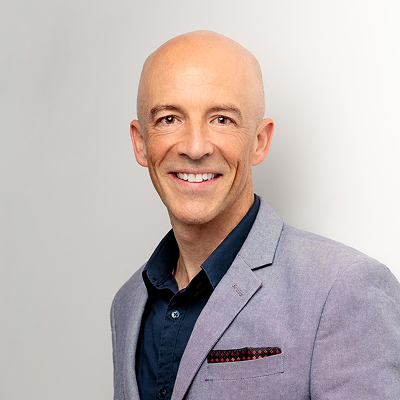
Michael Ceely's been a bike racer, Spanish teacher, and therapist. Now he coaches founders and executives to get out of their own way.
What makes him different? His psychotherapy background means he spots when high-performing founders need therapy before coaching. He's not here to sugarcoat. Imposter syndrome? Just insecurity we all have. Anxiety? Your brain saying make a decision.
This episode is for founders stuck in their heads, anyone wondering therapy versus coaching, or people building in Madison feeling they're playing too small.
Michael breaks down why shifting focus from yourself to customers kills fear, his 80% rule beating analysis paralysis, and what he learned at Level Set (StartingBlock), his $10M revenue goal. We dig into self-sabotage patterns, when to delegate, Madison's biotech advantage, and why peer groups need tough love over casual networking.
Christina Henderson arrived at a version of Michael's point a year into building Reliable Residence, and what moved her wasn't burnout advice, it was having a team that depended on her. She gets into that in her year-one follow-up on what a year of 4 AM actually cost.
Key Learnings
Imposter Syndrome Is Just Insecurity, and That's Normal
Michael doesn't sugarcoat it. Imposter syndrome is just insecurity with a fancier name. If you're a human being stepping into situations you've never been in before, you're going to feel unsure of yourself. That's not a syndrome. That's being human. The self-talk of "Should I be here? Do I belong?" is normal. Every founder feels it. The key is not to pathologize it. Recognize it for what it is and keep moving.
Get the Focus Off Yourself and Onto Your Customer
One of the fastest ways to quiet the fear is to flip your attention. Instead of asking "How will I do?" ask "How can I help my customers?" When you're obsessing over your own insecurity, you're stuck in your head. When you're obsessing over how to serve people better, you're building something. That shift from self-focus to mission-focus is a game changer for founders who feel paralyzed by doubt.
Anxiety Is an Action Signal, Not a Disorder
Michael reframes anxiety as a signal from your brain that there's a decision to be made or an action to take. Once you take that action, the anxiety usually goes away. It could be as simple as sending an email you've been putting off or having a conversation you've been avoiding. The goal is to get in the habit of asking yourself: "What's the action I need to take?" That keeps the ball moving and puts you back in control.
Your Brain Is Trying to Protect You When You Self-Sabotage
Self-sabotage isn't you being lazy or careless. It's often your subconscious trying to keep you safe. Your brain is wired for survival, not for scaling a startup. So when something big happens, like landing a major client, your brain might freak out and try to pull you back to safety. You oversleep, miss an email, forget a meeting. It's not intentional. It's fear of change showing up in sneaky ways. Recognizing that pattern is the first step to breaking it.
Don't Lower Your Standards Just Because You're in Wisconsin
Michael's been in California. He's seen what other ecosystems look like. And his take is clear: Madison isn't Silicon Valley, but that doesn't mean you should shrink your ambition. You can get clients from anywhere. You can network anywhere. The trap is the inferiority complex of "it's just Madison." Don't buy into that. If your product or service is good, it doesn't matter where your address is.
The 80% Rule Saves You From Overthinking
Is it 80% good enough? Then ship it. Michael coaches founders to stop spending weeks researching the perfect scheduling software or obsessing over details that won't move the needle. If your goal is happy customers and a product that helps people, does it really matter if your internal tool is 95% optimized instead of 80%? Probably not. Perfectionism kills momentum.
Hire Right and Trust Your Team, or Fire Fast
If you hired the right person, trust them. Delegate to them. They're putting in blood, sweat, and tears to build your business, and you should be grateful. But if someone's not working out, stop micromanaging them and let them go. The worst thing you can do is keep correcting errors for someone who's not a good fit. That's not leadership. That's avoidance.
Just Ask the Big Fish
Why don't more founders ask Epic, American Family, or the Green Bay Packers to be involved in their projects? Michael's point is simple: it never hurts to ask. And the framing matters. You're not begging. You're offering a win-win partnership. "I can help you. Let's talk." If they say no, follow up in a couple months. The people with money are everywhere. Most founders just don't ask.
Find a Peer Group That Will Push You
You are the five people you spend the most time with. Michael takes that seriously. If you want to grow, you need a peer group with high standards who will hold you accountable. Not just barbecues and beers where you talk about business. Real accountability. The kind where a friend says, "Your business model needs to change, dude. It's not going to work." Tough love from people who want you to win.
Catch Yourself in the Matrix
Michael encourages founders to become the observer of their own thinking. When you catch yourself spiraling for 30 minutes about worst-case scenarios, don't beat yourself up. Just notice it. "Isn't that interesting? My brain just spent half an hour convincing me I'd end up in a cardboard box." The more you can watch your brain do its thing without getting swept up in it, the more power you have to redirect your energy toward action.
Transcript
[00:00:00] Michael Ceely: Imposter syndrome could be rephrased as simply insecurity. If you're a human being, you're going to be insecure in situations where you haven't been before. That's totally normal. It's not really imposter syndrome. It is just you're insecure. And this manifests in thinking like, should I be here? Do I belong here? Am I in this league? That's kind of what the self-talk that happens, and that's the imposter part.
[00:00:24] Jacob Miller: Hey, everyone, and welcome back to the Startup Wisconsin Podcast, a show where you can learn about Wisconsin's growing tech scene through stories of startups, founders, investors, and the talented people making it all happen. My guest today is Michael Ceely, a high performance coach for executives, entrepreneurs, and athletes. He helps founders get out of their own way so they can actually build the thing. Michael's path to coaching started at 15 when his parents sent him to therapy. He was totally against it, but it planted a seed. From there, he became a competitive bike racer and then a high school Spanish teacher, and then a psychotherapist. That clinical background now gives him an edge. He can spot when a high functioning founder actually needs therapy before they're ready for coaching. Michael also reframes the stuff that keeps founders stuck. Imposter syndrome, he calls it what it is, insecurity, and every human has it.
[00:01:21] Jacob Miller: Anxiety, that's just an action signal telling you there's a decision to make. We talk about why getting the focus off yourself and onto your customer makes the fear go away. What he learned going through the Level Set program at Starting Block and his goal of scaling to $10 million a year in revenue. All right, folks, let's get into it. I want to jump into what pulled you into becoming a coach and into guiding others to becoming the best that they can be in whatever they're doing. So you coach high performers such as entrepreneurs, executives, and even athletes. But I wanted to start with you. What was the thing that said to you, “Hey, I want to be a coach. I want to coach other people to be great.”
[00:02:05] Michael Ceely: Yeah. I think it started, we have to go back to when I was age 15, living here in Madison, Wisconsin, and I got sent to therapy by my parents because I was kind of acting out, grades were going down and was totally against it, but turns out I had a great therapist and he had an unconventional approach. And I realized how useful that was, how much that was a catalyst for my growth, that was a seed that was really planted early on of the power of therapy or coaching or that type of relationship. And so I didn't go immediately into coaching or anything like that, but my first profession was bike racing. So I did that from about age 15 to about 24. Did that a lot in Wisconsin, out in California, some other places. So that really, I got hooked on just competition and how it helps you grow.
[00:03:03] Michael Ceely: If you look at competition, I would say in the correct way, not that there's ... There's never a loser in my opinion. There's either you're winning or you are chasing the winner. That's the way I like to work in competition. So after that career, I got involved in teaching. So I was a high school Spanish teacher for a while and I loved, again, bringing things out of people, that light bulb moment that kids have. That just felt so empowering. After that, I got more into psychology and became a psychotherapist, just like the guy who helped me when I was 15. So that seed kind of blossomed and that was really powerful and worked with a lot of folks, seemed to be attracted to my website, kind of my background. And so I started working in therapy with a lot of men actually who were business owners, executives, weekend warrior athletes, sort of demographic got attracted to me and I did great work with them.
[00:04:05] Michael Ceely: And then a number of them were asking me, “Hey, do you do coaching? Because I've been doing fine.” Or they'll call me back a year later like, “Hey, I don't need therapy, but I'd love to do some coaching with you.” And it's like, I don't know, maybe I should do that. And I had a lot of requests for that. And so I decided to go for it and start my own coaching company. And that was four years ago. And it's wonderful. It's different, say from psychotherapy, which is more, I'll call it repair work or discovery work or things like that. And then there's a different type of growth that happens when you do coaching. It's a much more specific focused goal that you're working on. So both I love. I've been doing a lot more of the coaching. So right now my business is split probably fifty fifty.
[00:04:54] Michael Ceely: I still have a number of therapy clients and then half of my business is doing the coaching, two separate industries, two separate businesses.
[00:05:04] Jacob Miller: I am actually kind of curious because you're balancing the two types of ways you're helping people because I have been through therapy myself for a couple different reasons. And it is, like you said, this discovery thing, why do I do the things I do or why do I think this way? Why do I feel this way? Really reflecting on your past, your present, how you think about the future, all these different things. But for you, I'm thinking through all the things you're sharing in the arc of your story. And I'm fascinated by the sense of purpose you get out of those two different ways you help people. Because it's like through the psychotherapy, there's extreme value out of that. People that are either in dark places or they're caught in this spiral that they can't seem to get out of, or they're like, “Hey, I have these really big challenges.
[00:05:59] Jacob Miller: I'm trying to achieve this great thing.” And both of these individuals are facing really difficult things, but they're completely different paths. So for you, what keeps you in the psychotherapy and what keeps you ... There's these two things, and do you ever feel like you'll make a decision to just pursue one?
[00:06:21] Michael Ceely: Yeah. At this point is moving in the direction of just having the coaching business is trending that way. I'm getting more and more coaching clients, doing some speaking engagements, a lot of things on the coaching front. So I will be phasing out my psychotherapy practice. However, I enjoy it a lot, especially if there's a good therapist client match. So it's a different type of work, but I love both. And they both inform each other, but to be clear, they are different engagements. And it helps me in choosing a coaching client, I'm able to vet them and see if there are any deeper issues going on.
[00:07:01] Jacob Miller: Oh, interesting.
[00:07:03] Michael Ceely: Because you can have very high, I'll call it high functioning, high achieving folks who may have a really bad alcohol problem or might be clinically depressed, but they present to you as having it all together. And so if you're a coach without sort of awareness of some of these questions you need to ask to vet someone, you can get a coaching client who really actually needs therapy and you taken on kind of an inappropriate client because there's so much more going on that needs to be worked on before you can do good coaching with them. So having that knowledge does really help. Yeah.
[00:07:03] Michael Ceely: Because you can have very high, I'll call it high functioning, high achieving folks who may have a really bad alcohol problem or might be clinically depressed, but they present to you as having it all together. And so if you're a coach without sort of awareness of some of these questions you need to ask to vet someone, you can get a coaching client who really actually needs therapy and you taken on kind of an inappropriate client because there's so much more going on that needs to be worked on before you can do good coaching with them. So having that knowledge does really help. Yeah.
[00:07:42] Jacob Miller: Yeah. And I will say, because I've gone through a couple different therapists and coaches for different things, both within personal life and my work life. And so it is interesting when you find, like you were talking about the fit between a person and a therapist, it is interesting to kind of self-evaluate, is this really a good fit for me? But do you feel like a lot of people don't really know how to ask that question like, “Oh no, I'm doing the things they're doing, but it's not working.” Or there's this friction in a coaching perspective, what are some signals where you feel like it's usually not
[00:08:16] Michael Ceely: A good fit? I just straight up ask questions. So I have a discovery call, so it's a free call and I just ask tough questions. Mike, are you experiencing anxiety, depression, suicidal thoughts, do you have an alcohol problem? I'll just straight up ask them. And so the answer is yes. And I also preface it like, “Hey, no judgment. We all—
[00:08:34] Jacob Miller: Course.
[00:08:36] Michael Ceely: Not here to grill you.” But I think unless you ask that, you're not going to really know. So it's just full on directness. “Hey, what's going on? Is there anything else?” A good question to ask is, are there any challenges in your life right now that would prevent you or impede you from making progress in coaching? And if they go, “Nope.” Or if they go, “Actually, I might be going through a divorce,” like, okay, well, it doesn't mean we can't do coaching, but let's be honest here. I really like to set up my clients for success, whether it's coaching or therapy.
[00:09:17] Jacob Miller: I do want to go through the moment, maybe when you first started doing some coaching. Was there a moment where you're like, “Oh, I think this is my next thing.” I don't know if it was an individual or if it was just the momentum. What about it was like, “Oh, I want to do this next and make this the next full-time thing I do.”
[00:09:36] Michael Ceely: Yeah, I don't think there's necessarily a moment. I think it was more of a shift into different waters. I just started enjoying coaching the more and I did it. It's like a different flavor of ice cream. I like this better. I can think of maybe a moment where I really enjoyed coaching and it wasn't doing executive coaching. I was actually volunteering as a cycling coach. This is for this organization called NICA, which is a high school mountain bike league. And I did some coaching and worked … There was a kid who kind of had some behavioral issues and I was able to crack through that and they got really invested in training and the cycling. So that was really gratifying. It was like a coaching moment, but generally it's more of like I'm experiencing these waters that I like a lot now.
[00:10:34] Michael Ceely: Not that I don't like psychotherapy, but yeah, there was no real epiphany moment or anything.
[00:10:39] Jacob Miller: When you're doing coaching, whether it's with an entrepreneur or with an athlete or an executive, how did you actually go from the psychotherapy to the coaching? Did you have to go through any different type of training than what you did with psychotherapy? Were there frameworks that you learned from other coaches or certifications that you've gotten? Maybe talk about that process of how you kind of went from the practice of psychotherapy to like, “Hey, I'm going to actually coach and guide people to high performance.”
[00:11:07] Michael Ceely: Yeah. So in terms of certifications, obviously if you're a psychotherapist, you have to be licensed that's state by state. And like I said, a lot of what I do in coaching is informed by some of the methodology of psychotherapy. But for coaching, there's a lot of certifications you can get. They're voluntary. The good and bad thing about coaching is not regulated at all. So if you have a very good coach that helps that coach be a little more flexible in their offerings and styles of coaching and things like that. At the same time, there's no certifications required, so anyone can call themselves a coach. So that's a little dangerous there. So I haven't done any formal certifications for coaching just because I feel like I've had very, very similar training and more robust training. And I inform my coaching, I actually meet with a colleague who's a high performance coach, works with similar types of clients and we talk quite a bit.
[00:12:04] Michael Ceely: So I confer there. I have consultants I check with. I've done some education on my own, but no actual formal certification for coaching.
[00:12:14] Jacob Miller: Do you have a specific coaching process that you use that maybe like a mental framework as you're going through people and what people would expect when they would work with you, I guess?
[00:12:24] Michael Ceely: Yeah, so I call it high performance coaching. So in that title, what we're working on is a specific goal. So identifying the goal. So a lot of coaching my beef with some of the coaching out there is that the goals aren't really clearly identified in terms of you've heard of like SMART goals before perhaps.
[00:12:44] Michael Ceely: So not being specific enough, not being able to measure it, not being achievable, not being relevant or actually important to drive them and not really having like a time limit on that. So I use the SMART model for setting goals. I also use the ABC model of cognitive behavioral therapy. It's not therapy that I'm doing, but I'm using that model to inform the coaching, which is based on stoicism and based on core beliefs. So I don't dive super deep, only deep enough with the coaching clients on a lot of their core beliefs, which I think drives most behavior. So that is something, but I don't have like a formalized titled methodology. I just borrow from what I think is the best out there. There's a type of therapy called Brief Strategic Therapy, and you've probably heard of the coach, Tony Robbins.
[00:13:43] Jacob Miller: Yep.
[00:13:43] Michael Ceely: Yeah. Like motivational speaker, big, tall, loud guy, right?
[00:13:47] Jacob Miller: Yeah.
[00:13:48] Michael Ceely: He taps into a lot of what's called brief strategic modeling. The coach has to have the, in my opinion, have the courage to suggest something to the client that's going to challenge them in a way. So it's finding really that balance between what the coaching client's potential is and how far you can push them because you want to set them up for success. And always, what's their goal? So being careful as a coach, you may have aspirations for a person, you may get a read on someone and it's really not the direction they want to go. So you have to really take them at their word like, “Hey, here's what do you want to achieve with me? What do you want to do?” That said, I'm also transparent about saying, “Hey, what about this direction?” If I think that the client may want to go there.
[00:14:33] Michael Ceely: It's like the art and science of coaching essentially.
[00:14:36] Jacob Miller: Yeah. Yeah. No, I was trying to think of Tony Robbins actually escaped me for a second.
[00:14:41] Jacob Miller: Do you have any, I guess, thoughts around just because you said with the coaching industry, there's no regulation, no one's really like, you don't have to be licensed or anything. You can go on YouTube and find some course to become a coach, right? It's pretty easy to just find that online for just about anybody. And there are people that have done and have become very successful, but what's something that maybe annoys you about the coaching industry and you wish wasn't a thing because it's like one of those things where some people might get taken advantage of or promises might be made or I guess because obviously the people that suffer from that are the people that are paying for coaching and they're not getting the results they want maybe, and it's not their fault. Is there something about the industry you wish was better? Do you feel like it should be regulated?
[00:15:28] Jacob Miller: Do you feel like there should be changes that should be made? I'm kind of curious what your thoughts are.
[00:15:32] Michael Ceely: Yeah, I think there should be some regulation. And the way it's done, say medical practices, it is state by state. It's licensing boards state by state. There's generally psychotherapy is quite similar across all the states, but it's different in some key ways sometimes. I would be for certification. It's not that there isn't any certifications out there, they're just not mandatory. So there's a number of organizations out there that you can get coaching from and some of them are great. So in terms of mandated certifications or regulation, I would be for that, but in a limited extent. Yeah, it's interesting. So you asked me what annoys me about coaching. So let's say that someone makes millions of dollars in their business, a hundred million dollars from the business and they want to get into coaching. Just because they're successful in business, people because they've been successful doesn't mean they're going to be a good coach.
[00:16:32] Michael Ceely: So similar to a star athlete who's the top of their game may not be a good coach. So that's the thing that annoys me is like if people aren't honest with themselves about just the art and science of coaching, and I think that would be it right there.
[00:16:51] Jacob Miller: Yeah. It almost feels like, because empathy I feel like is a huge part of it. Learning how to listen, because if you're a person that built a business, you can make a lot of money without having any empathy for other people. Sure.
[00:17:03] Michael Ceely: Sure. Yeah. What's your skill? So if you scaled up a business or let's say that you have a really successful podcaster, it doesn't mean you're going to be a good podcast coach. It means that you were able to be successful in this particular goal, but then coaching is not just modeling. It's also like understanding how to listen, like you said, how to set goals as someone being empathetic, all of that stuff.
[00:17:28] Jacob Miller: Yeah. Yeah. It makes me think about even people that … Again, I'm not trying to label all college professors, but a lot of people, they're extremely intelligent in their field, but they may not be the greatest teacher. They'd be really difficult to learn from. And it's like this weird thing, is that their fault though? Because they were put through this whole kind of curriculum to learn and gain all this knowledge and do research and stuff, but they never were taught how to teach effectively. It's like this whole thing and you're making curriculum and stuff. So it's fascinating to think through how do we make better teachers out of everyone, not just the teachers themselves. How can everyone learn how to teach other people? For sure. Yeah. Yeah. I do want to move on to common things that you see with people because of the Startup Wisconsin Podcast will focus on founders and entrepreneurs.
[00:18:21] Jacob Miller: What are some of the most common challenges that you see with founders that you work with or maybe just have observed over time? You kind of shared with me imposter syndrome, anxiety, self-sabotage, playing too small. Maybe walk through some of those. Maybe we start with imposter syndrome and just why do you see it or why do you think it happens so much and how do you advise that?
[00:18:44] Michael Ceely: Yeah. Yeah. So imposter syndrome could be rephrased to simply insecurity. So we could boil it down to that because imposter syndrome sounds like it's this big thing that has to be untangled and it's like, oh my God, I have a syndrome. It's like, will I ever get rid of this? It's like, you might just be insecure like every other human being. So I'll just boil it down and simplify. If you're a human being, you're going to be insecure in situations where you haven't been before. That's totally normal. And if you are totally confident going into a Series A funding meeting with no experience about that, there's something wrong with you. You should probably be a little nervous about that. I want to sort of depathologize that. It's not really imposter syndrome. It is just you're insecure and that's manifest in thinking like, should I be here?
[00:19:33] Michael Ceely: Do I belong here? Am I in this league? That's kind of what the self-talk that happens, and that's the imposter part. So very, very common with founders, with any business that's going to be getting to the next level or any person who's going to the next level on anything, there's going to be that doubt, insecurity. So really the way to work through it, a powerful one is like, okay, if you look at Apple, then they started in a garage. There's like this famous picture of Jeff Bezos working in the late '90s and he's in this cheesy little office with cables everywhere. It's like everyone has that chapter one. So that's helpful to look at some of the models there. Another way to address imposter syndrome is to get the focus off of you. So that's a, I'm insecure. How will I do? It's like, what if you flip that and you said, how can I help my customers?
[00:20:29] Michael Ceely: What do they need? I'm focusing on serving them and making their lives better with my product or service. And that's more of a mission focused as opposed to a self-focused. So there's ego involved in not the braggadocious ego, but more the insecure ego. It's just another manifestation of the ego. What about, can I do it? It's like, look, you have a talent or you have a product or service that's hopefully to help people. If that's the goal, focus a thousand percent on that. How can I make my product or service help more people in a better way? Let me be obsessed about my customer instead of me.
[00:21:07] Jacob Miller: It makes me think about a couple different things. The first one is someone that's never been a founder before. And maybe they worked in corporate and they're like, they saw this problem and they're like, “I think I should pursue this thing because my company doesn't want to.” And then they go through the process of like, “Okay, well, how do I become a founder and build this thing?” And through that whole thing, they're like, “I've never done this before.” Like you said, being in situations that they've never been in before, there's fear, there's anxiety all around it. Because the dream is you raise the round or whatever and articles are written about you. All these different things, like you said, the ego part of it is there. But then when you flip it over to what you were saying, like, well, I can get those things if I actually serve the people that my product or service is meant to help.
[00:21:58] Jacob Miller: It manifests itself if you don't focus on you. So the way you described it, it's like, oh yeah, it's easier said than done, obviously, but it is, in the most basic way, it is a very simple, well, stop focusing on yourself. If you focus on other people, the returns to yourself just start to happen.
[00:22:19] Michael Ceely: It's almost counterintuitive, right?
[00:22:21] Jacob Miller: Yeah, yeah.
[00:22:21] Michael Ceely: I'm not focusing on worrying about my anxiety during this meeting. And then by focusing on something else, the anxiety goes away.
[00:22:30] Jacob Miller: Yeah. Yeah. Yeah. All right. I think we can go into this next one. Anxiety. Anxiety.
[00:22:38] Michael Ceely: Yeah.
[00:22:38] Jacob Miller: What about anxiety? So that's very common.
[00:22:40] Michael Ceely: Yeah. So again, if you're human, you have anxiety. So there's the limbic brain, and there's this something called the amygdala and all these things in the older part of your brain, which cause you to be anxious and for good reasons because this standard issue human here is a couple hundred thousand years old and it's meant for hunting and gathering and not working in tech or building businesses. So you're going to still get anxious about things almost as if it were life or death because that's how you're wired in a lot of ways. So I want to normalize anxiety. That doesn't mean there's anything wrong with you. It means you're hooked up and you're getting signals. And I like to reframe anxiety as an action signal.
[00:23:27] Michael Ceely: So if you're feeling anxious, that means there's an action that probably needs to be taken or decision that needs to be made. And once you do it, the anxiety goes away. Now, I'm oversimplifying it, of course. There's a lot of ways if you get into a true anxiety disorder, like generalized anxiety disorder, that's a bit of a different story, and that's more of a clinical approach you need to look at for that, and that's fine. But just to reframe anxiety now in this podcast as an action signal, like what's the action you need to take? And oftentimes it might even be just a step in the direction of solving your worry. What's one thing I can do? Oh, I can go talk to somebody. I've taken an action. I can send an email to my business partner because I have this concern as an action instead of worrying and being anxious about it.
[00:24:17] Michael Ceely: So I coach a lot of founders, entrepreneurs to get in the habit of asking yourself, “If I'm worried, what's the action I need to take? Let me identify it.” And that's a big game changer because it keeps the ball moving and it's empowering too. It's not like I'm suffering from anxiety. It's more of like, I'm getting an action signal from my brain that there's a problem and what's the action it's going to take to solve it.
[00:24:43] Jacob Miller: Today's episode is brought to you by Headway, a digital product agency based in Wisconsin. Do you need to design and build a world-class user experience for your software? But feeling like you just can't get there on your own? That's where Headway comes in. We're the folks who help ambitious startups and enterprise teams bring their product ideas to life through design, development, and product strategy. We don't just give you user interface designs and leave you to figure out the rest. We work with you and your target customers to create beautiful user experiences, build scalable design systems, and provide Silicon Valley level talent to get it done right the first time. Whether you're launching a new software or just looking to add features, we've got your back. We've worked with startups in industries like logistics, healthcare, FinTech, and EdTech, helping them solve their biggest software challenges. And here's the thing, no matter how complex your product is, we can help you gain clarity and get the job done together.
[00:25:43] Jacob Miller: We're so confident that we'll be the right fit that we offer a 50% money back guarantee. If you don't think we're working out within the first 45 days, ready to see how we can help you and your team, just head over to headway.io and book a free consultation today.
[00:26:01] Jacob Miller: What are common themes that where anxiety stems from with entrepreneurs that you see? Is it around sales? Is it around hiring? Is it, hey, our runway is kind of going away? What are some themes or is it just kind of all across the board?
[00:26:19] Michael Ceely: It's all across the board. Fear of the unknown is a big one. So it's the what if thinking is the worst case scenario thinking, which is actually fine. I encourage my clients to say, “Hey, what is the worst thing that could happen?” They said, “Well, I could go out of business.” And I go, “Okay, that happens every day. You're in the arena. Are you willing to play the game?” And they go, “Yeah, I am.” It's like, what would you regret more not having done your startup and you're a hundred years old on your deathbed and you said, “You know what? I wish I would've tried.” Or you're a hundred years old on your deathbed and your business failed, but you learned a lot about yourself. You go, “Yeah, I'm glad my business failed.” That's the test. Those are the questions to ask. So it's good to think about it that way in more of the macro and also to really ask yourself, what is the worst that could happen?
[00:27:13] Michael Ceely: If no one dies or nothing burns or something like that, hey, it's life. Do you want to play it or not?
[00:27:19] Jacob Miller: Yeah. Yeah. And that is like, I mean, the metrics are all there. Ninety percent of startups fail because that's the math. That's how it goes. And like you said, if you're willing to step into that arena knowing that you are trying to be that ten percent, “Hey, this is it. What are you going to do to make it work?”
[00:27:40] Michael Ceely: Yeah.
[00:27:41] Jacob Miller: Right. I'm reflecting on things that I do in my own work around anxiety and things. And it is really fascinating how, oh, I got to do all that stuff. And then you're like, well, if I just do the first step, like, okay, cool, I have momentum. Oh, I know now, or I sent that email, now things are moving. It's not just stagnant. And a lot of it is just overthinking, doing nothing. And it's amazing how just a simple task can go to the next thing. It's like a snowball almost. Yeah.
[00:28:14] Michael Ceely: Yeah. It can spiral. And I think if you understand that that's the way the brain works and there's probably nothing wrong with you is you can say just and be the observer so the different perspective, Michael, the observer as opposed to Michael caught up in the matrix. I could be worrying about all kinds of things and I invent scenarios and I can start thinking about other things. And it's like, I encourage my clients to catch themselves in negative thinking almost as if you're observing it, as a phenomenon of the brain. It's not me that's doing it, it's just the brain doing its thing, running its program. And I can watch that and go, “Isn't that interesting? I just spent thirty minutes worrying and doing nothing.” Isn't it interesting the stuff I thought about that I'm going to be living in a cardboard box without money because my business failed with no friends?
[00:29:04] Michael Ceely: What are the chances of that actually happening? Yeah, not very high at all, but it's interesting that I observed my brain go there. And the more you can catch yourself going down those spirals, the more empowering it is to say, “Oh, all I really have to do is take some sort of action and spend less time in those zones.”
[00:29:22] Jacob Miller: Yeah, it's something that I've learned to do with myself because I am a very … I think far into the future, I think of all the alternatives. I've done the Kolbe Index stuff and some of those other tests and it is like I think about … I'm a researcher. I need to know what are all the ways this could go or what are all the things that I could do to get from A to B? What are all the tools I have? Which tool's best? All these different things. And then I'm like, “Well, did I pick one yet?” No. Well, until I pick one, I can't get to the next step. So it is really fascinating when you catch yourself and you're like, “I just need to pick something and move on.” I just need to or whatever.
[00:30:01] Michael Ceely: Another thing I do with my clients, I call it the eighty percent rule. Is it eighty percent good enough? Is this scheduling software going to get the job done? And is me spending two more weeks researching it to get a fifteen percent gain on the eighty percent efficiency? What's the ROI on that? It's pretty low. So coaching my clients to say, if the eventual goal is to create happy customers and products and services that help people, does your scheduling software really matter that much? And so thinking about it that way, is it good enough? Because it's easy for, especially if it's your baby, your business, you're building, you want it done your way and perfect and all this kind of stuff. And you can get just caught up in the details and really lose momentum.
[00:30:53] Jacob Miller: Yeah, absolutely. When folks are like that, when they like to, I don't want to call them micromanagers, but they just like to be involved in everything. What does it take to get them to realize that they can't do that forever? Because at some point the delegation has to happen. How do you walk through that process at a high level with them to understand like, “Hey, you're getting in your own way here.” Until you stop doing that, nothing's going to change.
[00:31:21] Michael Ceely: Yeah. Part of it is just accepting the fact that you are, let's say if you have employees, you're employing people and you have to respect that. So did you hire the right person? And if you didn't, you shouldn't have hired them and should get rid of them soon. But if you hired the right person, you got to trust them and delegate to them because they're going to put in their blood, sweat, and tears to build your business and you should be grateful for that. At the same time, if you realize someone's really not working out, be honest about it and don't keep correcting their errors and micromanage them because they're not a good fit. So you got to discern that.
[00:31:58] Jacob Miller: Yeah. That kind of goes into the next one, the self-sabotage. One of the things you talked about is maybe playing too small, but I feel like self-sabotage can come in a lot of different forms. I guess what have you seen and how do you walk through that?
[00:32:10] Michael Ceely: Yeah, I mean, it's related to playing too small. It's that fear. The fear of the unknown manifested in limiting your expansion to out of self-preservation and safety. So it goes on at a pretty subconscious level. Let's say that your business, you get this big, big client you weren't expecting to get and you get all nervous and you're like, “I don't know. Well, they like me and it's going to be big news. And if it goes bad, then I've got a bad reputation.” You start thinking this way. And some sabotage can come in. It's really on a subconscious level. It's like your brain trying to protect you because the brain basically is wired for, as long as I have food and shelter and I'm comfortable and I get through the end of the day, that's my baseline. I don't want to do anything to rock the boat.
[00:32:59] Michael Ceely: And so let's say you get some big client. Subconsciously, you could be really afraid of change. And so you might oversleep or be late for a meeting or forget to send them an update or an email and really be confused of why you did that. It's not because you're actually trying to self-sabotage. It just means you're really stressed and your brain is trying to protect you in a lot of ways. So that's the way I like to talk about it. Yeah.
[00:33:27] Jacob Miller: Yeah. What about, do you see a pattern with founders in Madison or in Wisconsin where do you feel like they're playing too small? Do you feel like they should be making bigger bets? Or maybe just holistically, how would you approach that with someone that's like, they're like, “Or is it a matter of they're okay being a smaller business?” Or is it like … I'm curious how you navigate that conversation.
[00:33:53] Michael Ceely: Well, yeah, it's all that. First of all, what are your goals? What are the goals? What do you want to do? Are you okay with being a small business? Sure. Okay. So the reality here is that Madison is not Silicon Valley. It's not even Austin, Texas, but it's not a lame place. And you got Epic here, you got a lot of things going on. You got Starting Block and here in Madison, you got a lot of buzz, a lot of stuff is happening. That said, I need to be honest about the environment. So maybe the best move is you go move your business to Silicon Valley and relocate. Maybe, I don't know, but not necessarily because you can network anywhere. But there can be a bit of an inferiority complex of like, “Oh, it's just Madison. It's like maybe I should kind of lower my standards.” No, don't do that.
[00:34:45] Michael Ceely: You can get clients from anywhere, not just Wisconsin. So as a coach, again, I get back to their product or service that helps people. What is it? How many people do you want to impact and make it less about you and much more about how many people you want to help. And with that mindset, it might be like, oh yeah, I need to start going to more conferences around the world for my business and really include travel budget. No matter where I live, I would have to travel anyway. You can't just stay in Silicon Valley. You need to go to New York, you need to go all over the place. So yeah, there is sometimes that inferiority complex. Okay, it's a small place. Who's going to listen to me? The businesses, addresses Madison, are they going to take me seriously? Look, product or service is good.
[00:35:32] Michael Ceely: Doesn't matter. I'll give a shout out to a place that I discovered when I lived in California that's called URL Genius. They're in Madison. I don't know if you know about them, but they do deep linking, which is important for businesses. After the fact, I found out they were from Madison. I was like, “That's so cool.” And one of the best people doing deep linking in the world. I'm like, “That's amazing.” And they're not in Silicon Valley. Doesn't matter. Yeah.
[00:36:00] Jacob Miller: Yeah. That's awesome. I do want to move on to Madison and Starting Block, because I know you went through the Level Set program at Starting Block. How did that experience shape you, your business, and just your perspective on the community here in Madison and the support you can get?
[00:36:20] Michael Ceely: Yeah. Can't say enough good things about Starting Block. It was really, really great program. Beth Ott, who works there, she taught that class. And really a couple of big takeaways from it for me was planning, being really strategic about planning your future and starting with what was your end goal and getting really real about money. I think that was the thing that really the big unlock for me is thinking about getting investments, like who has the money, thinking bigger about money, because it really is who has the money. There's tons of money in the world. There's no limited supply. So it's like being bold enough to think about who's going to help you grow your company. I learned that from Starting Block and also the peer group too. So when you're in a class like that with like-minded peers who want to achieve and are at the same level, it really validates your experience, makes you feel less isolated and people are experiencing the same things.
[00:37:21] Michael Ceely: It's very empowering. And the way the class is structured, like Starting Block was great start to finish and it's only a six-week program, but it was super helpful and really boosted my business mindset.
[00:37:33] Jacob Miller: Yeah. And I'm actually curious how much effort, because I don't think I've ever really asked that question around Level Set. What were the kind of expectations like, okay, you showed up for maybe a workshop or an exercise or just a presentation. And then outside of that, how much time were you spending on the exercises and just the research you needed to do to come back to the next gathering, whether it was a workshop or another presentation to present? Or I guess what was the effort on your end and what was that like?
[00:38:05] Michael Ceely: Yeah, so I mean, it's six weeks in a row, if I recall. I did it a year ago. There's assignments, there's homework that you have to do to be done before the next. It's like anything. In college, you can do as much the bare minimum if you want of the homework, or you can do the suggested homework and learn more. So it's up to you. But in terms of the minimum, you can fully run a business while attending the program.
[00:38:28] Jacob Miller: It's
[00:38:28] Michael Ceely: Not that. Yeah, you can totally do it. Okay.
[00:38:31] Jacob Miller: I was curious around just effort because some people are, hey, they're all in, that's the only thing they're working on or they're, “Hey, I'm working full-time or I'm building my business still right now, but I want to do this to assess, am I doing this right? What direction should I go?” Things like that. So I'm curious around what you think is unique about founders in Madison, because it appears you've been to other places around the country, have been exposed to entrepreneurs in other places. What do you love about the Madison entrepreneurship, like the scene, the startup scene here?
[00:39:07] Michael Ceely: Well, I mean, you pretty much know everybody. Madison is small enough community with a lot of aspects, you just know people, and that's kind of cool. So you hear about what other people are doing, so you're in tune with that. I mean, it's a beautiful place to live. There's also, again, I mentioned Epic, which is the biggest medical records company possibly in the world at this point, at least in this country. So that's a huge thing. That's like the Google of the Midwest, right?
[00:39:34] Jacob Miller: Sure. Yeah, yeah.
[00:39:35] Michael Ceely: So thinking about that and how that's had a ripple effect, that's sort of unique to the Wisconsin area. We have some of the best sports teams in the world, go Brewers, especially right now. That's right. Yeah. Yeah. So that's something to think about. I don't think there's really anything unique about, say, Midwestern entrepreneurs or Wisconsin. Like we alluded to earlier, you can get trapped in that small mindset of like, “Oh, I just live in this smaller city and it's not Silicon Valley.” It's like, yeah, don't buy into that mindset.
[00:40:08] Jacob Miller: Yeah. What do you feel like it would take to shift that for more people? It is pretty common because I've even experienced that myself within the roles that I've had and it's like, well, because you perceive your city or your state in a certain way, you're like, “Well, that's not really going to happen here.” How do you think we could tackle that mentality as a community to say, “Hey, I know this is the perception, but we can be something different.” And I don't want to say better because there's a lot of great things already happening, but how do we change the narrative around Madison or around Wisconsin and inspire people to really go for it and change how people think about this area?
[00:41:00] Michael Ceely: Yeah. So the narrative is that it's not Silicon Valley. You say, “Okay, what's unique that's happening here?” So biotech, right? So again, you go back to Epic. The same thing like Silicon Valley, you've had these companies that were established and became behemoths and everything kind of ripples and grows from there. So think biotech. Think about the Austin, Texas model, similar. If you want to compare Madison and Austin, university town, Austin's a little bit bigger, has more banking and stuff, but what are some similarities, successful hubs, like Nashville, Tennessee's blowing up like Denver, Colorado, what are the commonalities in these smaller cities that's making them expand? And oftentimes it is like a big company there and then everything kind of grows off of that. So ask yourself the question of like, what's the niche? And if Madison's biotech, ten X that, one hundred X that.
[00:41:57] Jacob Miller: Get
[00:41:57] Michael Ceely: That particular type of industry moving and then things feed off of it so that you could be a different industry in Madison. And if the general economy is going great, then everything's going to feed off of each other.
[00:42:10] Jacob Miller: Yeah.
[00:42:11] Michael Ceely: Yeah.
[00:42:11] Jacob Miller: Yeah. Yeah. It's almost like what levers do we have? Let's pull them. Other things can happen in the mix, but there are definitely founders that try to build it and they're like, “I need to move to a different city because this is where all this stuff is happening over here, so I'm going to move to the city.” And there's nothing wrong with that. It's like, oh, they're just reading the room and they're like, “This is hard to build here. I'm going to go here instead because there's way more support, way more connections for their business, it's more beneficial.”
[00:42:37] Michael Ceely: Yeah, and that's a personal choice to do that. And I would also say that no matter where you're physically located, it's advantageous to travel to say conventions and things like that. And I think a lot of businesses don't do enough of that. You get such a different perspective if you go visit another city and meet a whole bunch of new people there. It's very eye-opening. So I would say just travel more in general.
[00:43:02] Jacob Miller: Yeah. Yeah. Get that exposure and change your perception of all the things that are happening. Yeah. What's something that you'd like to see more of in Madison in the startup ecosystem? What do you feel like is maybe missing or, “Hey, I see this over here. We should have more of that.” Is there anything like that?
[00:43:22] Michael Ceely: Money.
[00:43:25] Michael Ceely: Yeah. So again, you get these big companies. What's interesting about Madison is healthcare and how many insurance programs you can get in Wisconsin and how great they are. It's one of the few states that has really good coverage insurance for substance abuse programs. It's pretty amazing. So yeah, I mean, if there's one thing, yeah, it's just money, frankly. So how do you get these companies who are big moneymakers? How do you get them to grow? And how do you get people sprouting around that that supports that and synergistic with that? I don't know if there's really any one thing I can put my finger on that would …
[00:44:08] Jacob Miller: Yeah. I'm going to ask you the big question and I don't know if you'll have an answer or not, but if there was a mindset focused, like a coaching program for founders in Madison or in Wisconsin and there was no budget limit, what would be the dream if you were to build a program for founders, what would that look like to you?
[00:44:27] Michael Ceely: I think we talked before the podcast, I was stumped on that question.
[00:44:30] Michael Ceely: And I got a little more ideas, but I was still kind of stumped on it. Unfortunately, it does come down to money. It really does. So who has the money? So just asking yourself, so many people just don't ask, why don't you just go ask Epic or why don't you go ask the Green Bay Packers or the Milwaukee Brewers? Do you want to be involved in this project? It'd be great exposure or American Family Insurance, which is here in Wisconsin. Ask the people who have money. It's not that you're not in the mindset of I'm begging and asking for you to help me, but I can help you. I can help you. Let's create a win-win relationship. I would love to see a program that has more of that mindset of going after the big fish, but not in a way of being selfish or begging, but more like, “Hey, this is a win-win partnership and let's focus on creating more and more win-win partnerships anywhere around the world.” And it can never hurt to ask like, “Hey, I can help you.
[00:45:32] Michael Ceely: Let's talk.” No, I'm too busy. Okay. I'll follow up at the end of a couple months. Yeah.
[00:45:37] Jacob Miller: Yeah. And something that we would love to do is through Startup Wisconsin is do more retreats, like things that are more focused on founders and really kind of getting into the real things that they're dealing with on a day-to-day basis. How do we get them unstuck or how do we get them connected to the right person or the right resources, building those relationships. And then it's not just about like, “Oh, here's a twenty-four to forty-eight hour experience that you're going to have with people.” But then after that, okay, do you have someone that's going to hold you accountable? Building those relationships too. It's not just about, “Hey, we're going to do this one thing and then you're done.” It's like, no, we're going to build relationships. We're going to be there for each other and kind of build this network of support, founder to founder or coach to founder, stuff like that.
[00:46:22] Jacob Miller: So I think that a lot of it is people getting in their own way because we all do it to ourselves all the time in different ways, whether it's in our work life or our personal life. And sometimes you just need those dedicated times to really focus on yourself. And some people just may have never been exposed to those types of conversations, or whether it's a therapist or a coach or just some kind of workshop with your team to understand, okay, we're going to unravel some of this stuff and really figure out why is it happening and here's the tools that you can use to get unstuck. And I would love for you to be a part of that. I would love that. I think that'd be awesome. So yeah.
[00:47:00] Michael Ceely: Yeah. I mean, I think the magic word you said is accountability. So you've heard that statement like you are the five people you spend the most time with or similar things. I'd like to nerd out on anthropology and biology. So we're social creatures so that your standards and your norms subconsciously will default to your peer group because you want to be liked by your peer group so that if you want to get in sort of an entrepreneurial peer group, make sure that they're ambitious, make sure that they have the high standards or whatever your standards are like that you're going to feel good about, get in that group and hold each other accountable to your standards, not to lower standards or not to standards that aren't yours, audit your own standards and maybe you want to change them, maybe you want to up level them and then find your peer group.
[00:47:46] Michael Ceely: Don't just do it for, “Hey, we had a great barbecue and we drank a bunch of beer and we talked about our businesses.” That's not helpful. I mean, that's not going to really help your business at all. So how can you find that group and what are the activities that are going to push people and not being afraid to push people and not being able to say to your friend like, “Hey, you know what? Your business model, you need to change it, dude. It's not going to work.” And having the courage and the heart to say that to someone, like tough love peer groups that have high standards, I think is the way to go.
[00:48:18] Jacob Miller: Yeah. Yeah. Yeah, absolutely. So what's next for you and your coaching? Is there a timeline that you have or maybe there's things that you're looking forward to that are coming up, anything like that?
[00:48:30] Michael Ceely: Yeah. So in the Level Set program and Starting Block, I did create a goal basically, which is to be at ten million dollars a year revenue in going to be about two years from now. Wow. Yeah. So that involves scaling. So that involves hiring other coaches. That involves diversifying the offerings and I'm in the process of doing that. So hopefully we'll get there. It's going to involve, yeah, definitely partnering with people, hiring coaches and doing group coaching, doing more speaking events, doing more corporate teachings, things like that, getting involved with companies. So I'm definitely headed in that direction. Yeah.
[00:49:06] Jacob Miller: Yeah. Have you considered acquisition as a growth lever? No. Like someone else's coaching business like, “Hey, I love what you're doing. You have great clients.” It's a thought.
[00:49:18] Michael Ceely: Yeah. Yeah. I mean, so what you're doing is you're purchasing the clients and the reputation and the brand, right?
[00:49:23] Michael Ceely: Yeah. I mean, not really, just because I have a lot of methodologies that I really like. So if I'm going to hire coaches, they actually are going to have some psychological training background. That has to happen for me and have to have that same mindset. I don't really see any coaching programs or coaching company that does it more at that sort of deeper level. I know that Tony Robbins has a coaching, you can join his coaching force, right? And I'm aligned with a lot of that stuff. However, you're working for someone else. It wouldn't be acquisition, right? So I'm not against acquisition, but I just would want to make it definitely have a particular coaching philosophy that I'm not going to compromise on.
[00:50:04] Jacob Miller: Yeah. Yeah. No, I was just curious because I'm like, but it sounds like you just haven't seen, and that's why you're building what you're building. You're like, “Hey, I'm going to do a thing because I feel like there's no one doing it this way with these types of standards, the quality control, stuff like that.” So I think that's awesome. So best of luck to you. Congrats on going through the Level Set program. Congrats on Dream Big and excited for you. Yeah, yeah.
[00:50:28] Michael Ceely: Yeah. Thanks, Jacob. I appreciate it. Yeah. And congrats on the Startup Wisconsin Podcast too.
[00:50:34] Jacob Miller: Thank you.
[00:50:35] Michael Ceely: Yeah, it's really professional, the episodes I've seen. I've watched a bunch of them, and so I think you got some great momentum and keep going with that.
[00:50:43] Jacob Miller: Oh, thank you. If anyone's listening to this, because this won't come out for a little bit, but we just hit twenty thousand views on the YouTube channel this week, which is pretty awesome. It's a lot of it's the shorts because it's easier to get the impressions through the YouTube shorts, but it's been really, really fun to just build this show, build this channel. I think that the biggest thing for me is just talking to someone like yourself. There's just a lot that I'm learning about the people that are here in Wisconsin, the things that are happening, how they're happening, and all the relationships are just incredible. So thank you again for taking your time and being here. How can people get ahold of you in case they're curious about coaching or just curious to learn more about you and what you're doing and all that kind of stuff?
[00:51:24] Michael Ceely: Yeah, sure. So just Google my name or search my name or AI search my name or whatever it is these days. Michael spelled like it normally is. And then Ceely, my last name is spelled C-E-E-L-Y. MichaelCeely.com is my website and you can find out all about my coaching there. I'm on Instagram as well, LinkedIn, all those good places.
[00:51:44] Jacob Miller: Yeah, you're on YouTube. We have a YouTube channel.
[00:51:46] Michael Ceely: Yeah, also.
[00:51:46] Jacob Miller: Yeah. Yeah. And I'll have all the information in the description and the show notes and stuff like that. But can people DM you on LinkedIn or are you cool with that? Is that something you're open to?
[00:51:52] Michael Ceely: Sure. Yeah. Yeah.
[00:52:01] Jacob Miller: All right, cool. Sometimes that's how people just want to engage, just like I want to shoot over the DM. Yeah. Awesome.
[00:52:01] Michael Ceely: Definitely.
[00:52:01] Jacob Miller: Well, I appreciate you, man, for taking your time today. It's been awesome. I learned a lot. Hopefully we can do this again sometime soon. Later, we can kind of go back in a couple years, we can kind of review where you've gotten and the progress you made and that'd be awesome. I like it.
[00:52:17] Michael Ceely: Accountability right here.
[00:52:17] Jacob Miller: That's right. Yeah. It's live where it's public. It's going to happen. That's right. Yeah. Yeah. Awesome. Awesome. Thanks for joining us on the Startup Wisconsin Podcast. Want to support the show? Don't forget to subscribe and get updates. If you're feeling generous, you can share, rate, and review our podcast to help others find us. All right, folks. Until next time, let's keep moving Wisconsin forward.
Show full transcript
Subscribe
Get updates on future episodes, events, and more from our newsletter.
Listen On



Show Notes
Segments:
(00:00) Intro
(00:37) Meet Michael Ceely
(01:41) A Wisconsin story of becoming a coach
(05:04) How Michael balances psychotherapy and coaching work
(10:39) Why coaching’s lack of regulation matters
(18:13) Common patterns founders struggle with
(27:24) Where does anxiety come from
(29:43) The 80% rule for decision making
(31:58) How self-sabotage shows up
(33:28) Madison’s impact on founder mindset
(36:14) Inside Madison’s StartingBlock experience
(38:48) What makes Madison a good place to build
(44:10) Why accountability beats another workshop
(48:21) Scaling with intention, not shortcuts
Related from Startup Wisconsin
A year in, Reliable Residence is glad it didn't go nationwide
Show Notes
Segments:
(00:00) Intro
(00:37) Meet Michael Ceely
(01:41) A Wisconsin story of becoming a coach
(05:04) How Michael balances psychotherapy and coaching work
(10:39) Why coaching’s lack of regulation matters
(18:13) Common patterns founders struggle with
(27:24) Where does anxiety come from
(29:43) The 80% rule for decision making
(31:58) How self-sabotage shows up
(33:28) Madison’s impact on founder mindset
(36:14) Inside Madison’s StartingBlock experience
(38:48) What makes Madison a good place to build
(44:10) Why accountability beats another workshop
(48:21) Scaling with intention, not shortcuts
Related from Startup Wisconsin
A year in, Reliable Residence is glad it didn't go nationwide
Listen On
Listen to more episodes




Never miss an episode. Discover hard-to-find tech and founder events.
We dig up what's going on every month so you don't have to.
Get updates on exciting new podcast interviews, events, startup programs, accelerators, resources, and pitch contests happening in Wisconsin.
Choosing a city only tells us the region you live in.
It does not mean you only get updates for that city.
Have questions? Ask away.
hello@startupwi.org


