Building Belonging in Startup Communities





Flexible funding solutions designed for sustainable growth of Wisconsin companies.
Episode Summary
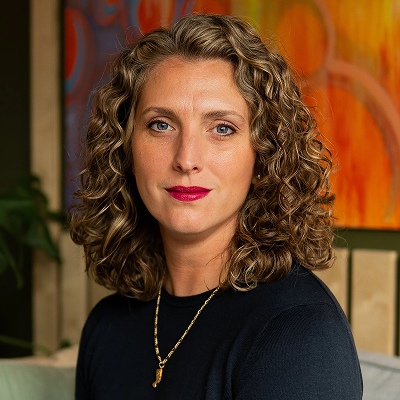
Angela Damiani didn't plan to be an entrepreneur. Graduated 2008, job market tanked, worked abroad in sales. Realized she could sell anything if she cared about it. That seed turned into NEWaukee, 17 years running. Started hosting meetups before meetup.com was a thing. Took five years to figure out the money side. Now they're a brand engagement agency doing 200 productions every six months. Post-pandemic, she felt lonely. Where are my people? One party in August 2021 became Midwest Founders Community.
This episode is for anyone building community, founders who feel isolated, or people in Milwaukee's startup scene. Angela breaks down why belonging needs repeated warm invitations (not just good marketing), her critique that Wisconsin investors won't bet on fringe ideas, and how NEWaukee created Milwaukee Night Market (couple dozen people to 100,000). We dig into social architecture, founder loneliness, MFC's organic growth with almost no funding, and why she wants founders running their own fund.
Angela's point that belonging takes repeated warm invitations keeps surfacing elsewhere in the state. It's the logic behind the vetted startup job board the Idea Fund of La Crosse built for its portfolio, and it's why Christina Henderson's healthcare founder meetup works better quarterly than monthly, which she explains in Reliable Residence's year-one story.
Key Learnings
It Took Five Years to Figure Out the Business Model
NEWaukee started as a social club hosting meetups before Meetup.com was even a thing. Angela and the early team were insistent that their programs stay free, so they tried everything else to make money. Selling merch. Chasing sponsorships. Selling concessions. It was a rat race. Low price points, high turnover, corporations that didn't really care. About five years in, they finally asked: why don't we just treat this like an agency? Time plus materials. Bespoke experiences for clients who actually want to pay for them. That shift changed everything. Seventeen years later, they're doing around 200 productions in a six-month window.
Belonging Requires Repeated Warm Invitations
This one stuck with me. Angela's framework for creating belonging isn't complicated, but most organizations miss it. You need intentional, repeated, warm invitations. Not one email blast. Not a single social post. You have to keep reminding people: you're welcome here, this is for you, we want to see you, it doesn't matter that you missed the first one. That scratches something deep in all of us. Angela called it our fifth grade self. You want to be told you can sit at the table. That someone saved you a seat. Most marketing ignores this. It shouts into the void and hopes people show up. The antidote is personal outreach, over and over.
She Started Midwest Founders Community Because She Felt Lonely
Coming out of the pandemic, Angela realized she didn't know where her people were. She had spent years in the startup space through Nuance (NEWaukee's recruitment spinoff) and a B2B SaaS startup called Rivet. But when the world opened back up, she felt disconnected. The existing startup programming didn't appeal to her. So in August 2021, she and a few others hosted one party called Founder Fest. Founders telling stories, hanging out with other founders. She had hosted thousands of events by that point, but this one felt different. It felt like it was for her. People asked when the next one was. Four years later, MFC is a decentralized network of founders across the upper Midwest with twelve organizers and events in multiple cities.
MFC Is a Network, Not an Organization
This distinction matters. Angela has been very clear that Midwest Founders Community is not an organization. It's a network of founders. That framing keeps it neutral. No territory to defend. No institutional turf wars. Just a place for founders to come play together. The goal is simple: connect founders to community, capital, and customers. Different organizers bring different energy depending on what they're passionate about. Some focus on events. Some focus on mentorship. Some focus on investor intros. It evolves based on who's in the leadership seats at any given time.
Wisconsin's Investor Class Needs Higher Risk Tolerance
Angela didn't hold back on this one. Her critique: founders in Wisconsin are willing to take risks, but the investor class wants sure bets. Banks, VCs, angels, even enterprise customers. They all want precedent. They want to see it work somewhere else first. But every product or service that has changed the economy or our lives started as a fringe investment. If you want revolutionary technology or seismic cultural shifts, you need earlier bets on things that feel weird. Angela's long-term vision is for MFC to have its own fund because she doesn't have faith that existing institutions will lower their risk tolerance. She thinks it'll take founders who understand that risk to do it themselves.
The People Who Thrive Love the Chaos
NEWaukee's business is seasonal. Nobody wants to host anything in January. So from May to November, it's an onslaught. Back to back to back. Around 200 productions stacked on top of each other, many of them outside, braving the elements. The people who thrive at NEWaukee love that dynamism. Nothing feels routine. Every day feels new. Angela said they spend a lot of time as a team talking about how to maintain personal resilience through the heavy stretches. It's not for everyone. But for the right people, it's energizing.
Social Architecture Means Designing for Action
Angela used to push the term "social architecture" before landing on "experience design" as the easier sell. But the framework underneath is the same. You have to be intentional about the setting, the invitation, and all the parameters around whatever you're designing if you want people to take action. Her clients come to her with the same problem: their ideal customer doesn't care. They're not paying attention. But that's not an indictment of the brand. Nobody's paying attention to anything. We live in an overstimulated time. So the question becomes: what can we create that intercepts people where they already are, instead of shouting into the void trying to get them to come to us?
A Co-Founder Leaving Gave Her Clarity
A few years ago, one of Angela's longtime business partners wanted out. He was ready to be done. That moment forced her to ask herself a question she hadn't really sat with: is this still what I want? The answer was yes. NEWaukee is still her favorite platform to build from. The place where she feels the most creatively satisfied. She still loves leading the team. That clarity was a gift. She said founders don't always ask themselves that question enough. You get so fixated on grinding and solving problems that you forget to check in. For her, the answer was clear. She's not going anywhere.
You Can Choose Again
Angela started NEWaukee so young that she didn't have much previous work experience. What that gave her was a deep sense of agency. She feels like she's choosing everything in front of her. And if something comes up that she doesn't like anymore, she can choose again. She doesn't have to make the same choice. There are consequences, sure. Not every choice is a raving success. But after doing this for seventeen years, she knows she's in the driver's seat. Her job as the founder and leader is to stay clear-eyed about that.
Transcript
[00:00:00] Angela Damiani: There used to be a bunch of startup programming in the area, but it didn't really appeal to me before. Like, where are my people? There apparently were a couple other people who felt the same way. So the origin of the Founder community was just one party we hosted in August of 2021. We called it Founder Fest. It was a room unlike any of the others I had been in. This is like a group of people I really want to be around.
[00:00:20] Jacob Miller: Hey everyone and welcome back to the Startup Wisconsin Podcast. A show where you can learn about Wisconsin's growing tech scene through stories of startups, founders, investors, and the talented people making it all happen. My guest today is Angela Damiani, CEO of NEWaukee, a brand engagement agency that helps organizations captivate, connect, and convert audiences to creative activations events.
[00:00:47] Jacob Miller: And experiences. Angela is also one of the founding members of Midwest Founders Community, a decentralized network built for founders by founders connecting them to community capital and customers. NEWaukee started as a social club hosting meetups before meetup.com was even a thing. It took five years of selling merch.
[00:01:09] Jacob Miller: And chasing sponsorships before they figured out the agency model that actually worked. The numbers show how far they've come, 17 years in business, around 200 productions in a six month window, and 40% of their work now happens outside Wisconsin. They originated the Milwaukee Night Market, an event that now attracts an estimated 25,000 people in attendance per night.
[00:01:35] Jacob Miller: We talk about why belonging requires repeated warm invitations, how she started the Midwest Founders Community after feeling lonely coming outta the pandemic, and her critique
[00:01:46] Angela Damiani: that Wisconsin's investor class needs a higher risk tolerance If we wanna see real innovation here. In Wisconsin. Alright folks, let's get into it.
[00:01:57] Jacob Miller: I want to go kind of back to the origin of your aspirations to becoming an entrepreneur. So what was, what was the full first thing in your life that kind of pulled you into becoming an entrepreneur or wanting to be an entrepreneur?
[00:02:08] Angela Damiani: Oh, I love this question because I did not think I wanted to be an entrepreneur, which is funny now.
[00:02:14] Angela Damiani: 'cause I think all the work I do with the founder community, I feel like most of what am I doing is like being a cheerleader. Like goading people in. Like, come on, just do it. Come on, make the, make the jump. You can do it.
[00:02:23] Voiceover: Mm-hmm.
[00:02:24] Angela Damiani: But, um. No, I didn't. I thought, I thought I was gonna work in corporate America after college, and that's not exactly how the like story started for me.
[00:02:34] Angela Damiani: I graduated in oh eight, like in the depths of those, that last recession. And so the job market was a little tricky and quite frankly, I wanted to live abroad for a little bit. And so I did that and I worked for the International Press Services right outta college, and there was a sales component to my job.
[00:02:55] Angela Damiani: And shortly after my very first sale, I remember thinking like, wow, I don't even like care about this and I can sell it. I wonder like what it would be like if I cared about what I was selling and it was the first time I'd ever really had that sales experience. And it was the thing that sort of like planted the seed.
[00:03:14] Angela Damiani: Like, okay, well I gotta just figure out what is it that I like, wanna do. Because I have it within me to like make money doing it. And that, that was like maybe what sort of set? Set the course, but it took me a little while after that to figure out what that was gonna be. There were a couple of different iterations before we got to NEWaukee.
[00:03:33] Jacob Miller: All right. And how did like NEWaukee like come to be? Like, what was like, was there a person that kind of said, Hey, do you wanna do this with me? Was it your idea? How did NEWaukee come to life?
[00:03:44] Angela Damiani: There were a couple of us. In the very beginning, NEWaukee's original intent was more of a social club, and there were a group of friends who moved down to the city slightly before I got involved.
[00:03:56] Angela Damiani: And were hosting regular meetups. And those meetups were really popular. It was a time when, I don't even think meetup.com as a platform existed. And so it was very curious to us that strangers would wanna come along and be our friends, and that that initial kind of output helped us to really learn how do you do audience development?
[00:04:20] Angela Damiani: You know what I mean? It was sort of like a masterclass, to be honest with you. In modern marketing. And from that point, a couple of us, there were definitely more people at the beginning who were like helping to volunteer, but there were a few of us who were like, maybe this is like a thing we could do full time.
[00:04:38] Angela Damiani: You know what I mean? Mm-hmm. Like outside of our day jobs. And it took us a minute to try to figure out like a, a revenue model for it. 'cause we were pretty insistent that we. One our programs we were offering to be free. I just kind of funny to me now like why didn't we just charge people tickets or whatever, but we were just like, no, what we're doing is really cool.
[00:05:00] Angela Damiani: It needs to exist in the world. We wanna make it super accessible. And so we dabbled in like different ways to monetize that. Then whether it be like selling concessions or merch or sponsorship, and really that was just sort of like a rat race. Garnering those types of sales, they're really hard, you know, 'cause it's like super low price points.
[00:05:20] Angela Damiani: Corporations or companies don't really care. So there's a lot of turnover. And about five years in it was like, well, why don't we just treat this model like an agency and have like a time plus materials model that allows us to host these sort of bespoke experiences. But with someone who. Really wants to pay for it.
[00:05:41] Angela Damiani: And so it took it, we had all kinds of bumbling meanderings at the very beginning before we we moved into that, but it's been going great ever since. And there's been like continual iterations too. About two years ago we got. Away from just doing events and programs and into more like classical brand activations.
[00:06:04] Angela Damiani: Hmm. Like creating parklets or public art or installations at other people's events on behalf of clients. And so that's been a really fun and curious like diversion for us and has allowed us do a number of silly things like. We wrapped a van and turned it into a VR experience on behalf of North. Yeah.
[00:06:26] Angela Damiani: And took it all over the whole state this year. Oh wow. That's cool. A road show. So yeah. That kind of thing. That's like a very, it feels like it has the same kind of like magical energy Yeah. To what I think people know of as a NEWaukee experience, but it's more mobile and way more interactive.
[00:06:43] Jacob Miller: Yeah. Yeah.
[00:06:44] Jacob Miller: Mm-hmm. What was it like in kind of the early days of like. Hey, you're this new agency or this new group of people that's put on these, these bespoke experiences. But now it feels like NEWaukee is like, it's like a name that people recognize and trust and like get excited about.
[00:06:59] Angela Damiani: Mm-hmm.
[00:07:00] Jacob Miller: So maybe talk about like, was there like a tipping point or a certain event that really kind of said, Hey, wow.
[00:07:05] Jacob Miller: Like if I'm gonna get put on an event or do like brand activation at some point, these are the people I need to talk to. Was there, was there like a moment or an event?
[00:07:14] Angela Damiani: Gosh, you know, I don't know if that there was like one singular turning point except, you know, we're gonna be 17 years old at the top of the year, and so maybe it's just the staying power, you know what I mean?
[00:07:27] Angela Damiani: Like Hmm. Really finding a way to just keep being consistent and to keep showing up over and over and over and, you know, and you can't tell. But I was much younger when this started. Um. And I think that was a benefit to the company in that we were a very young, when we started in our like barrier to entry was also low.
[00:07:52] Angela Damiani: You know what I mean? Like when I first started, I was like renting a room in my sister's house, so I think I had to like come up with $350 a month for rent. Like that was like my total like, sure. How much money do we need to make? You know what I mean? Like it was so, so low that like, it felt like there was almost no risk in us like scrapping about trying to make it happen.
[00:08:14] Angela Damiani: And you know, I think NEWaukee and I would say is like just a culture in the Midwest. It's a place where you. You have to have been here for a little bit, for people to trust you. And I think the fact that we just keep showing up year after year, like really does help with that. Like name brand recognition.
[00:08:33] Angela Damiani: And then, and then the other thing that I think has made a difference is some of the stuff we've produced has taken a life on its own. Like we were the, the originators for the Milwaukee Night Market, which when we originally started, had a couple dozen people coming to it. It was just sort of like a kooky nighttime art fair.
[00:08:51] Angela Damiani: And now in the summers there's a hundred thousand people that go to it. You know what I mean? Right. So it's really taken off and taken a life unto its own. And so I think because a lot of our work is very public, NEWaukee's brand gets elevated with that too.
[00:09:08] Jacob Miller: Sure. Yeah, for sure. Is there anything that you kind of learned along the way, whether it was on purpose or like by accident, whether it was like, you know.
[00:09:17] Jacob Miller: As you grew the team and the hiring process and like onboarding people and getting 'em up to speed. I know some of this is probably seasonal. Mm-hmm. Ebb and flow of recruitment, but yeah. I guess what, what has been your experiences and learnings as you kind of like been in a a business for so long, but also just learning to have a sense of like comradery with a business kind of ebbs and flows of seasons, I guess?
[00:09:39] Angela Damiani: Yeah. I mean, I think one of the things we advocate for is that this is a very seasonal business. I don't know why, but nobody wants to host anything in January. So that means from May to November, that's the height of it for us. And it's, it is a onslaught back to back to back. I mean, we probably have 200 productions in that six month window, so they stack on top of each other even.
[00:10:02] Angela Damiani: And I think the people who thrive here really love that dynamism that every day, nothing feels like it's a routine. Every day feels new and. I think, you know, we spent a lot of time as a team talking about like how do you like maintain your energy and your personal resilience through what feels like, you know, it's heavy.
[00:10:26] Angela Damiani: It's heavy to just keep going and then, you know what I mean? I was telling you before we started, like a lot of it's outside, so it's also like braving the elements and all of that. I think the thing that I've learned along the way is that I really love to watch our team members grow. We're big enough now as an organization that we do have specialists.
[00:10:48] Angela Damiani: You know what I mean? At the beginning, I think we had a small, small and mighty team of folks. Everyone was willing to do everything. You know what I mean? Like yeah. Yeah. There were maybe distinct job titles, but the expectation was that like we were just gonna get it done no matter.
[00:11:01] Jacob Miller: Yeah.
[00:11:01] Angela Damiani: You know what I mean?
[00:11:02] Angela Damiani: It was blurry in terms of people's like, sure. Now we have several graphic designers. We have several photographer videographers. We, you know what I mean? Like it was very, very niche roles. I think watching folks come in and maybe be a little bit more junior, you know what I mean, in their career and seeing the way that they blossom, the way they can stride out which clients or accounts really like resonate with them.
[00:11:29] Angela Damiani: I think the three for everyone that comes through our doors is that. I think we were all like, like wannabe artists, but decided to do marketing 'cause it was like a secret bet. You know what I mean? In terms of like having a living. And so we're all really like deeply creative people and finding ways to like fuel that creativity and then watching folks see how, how much possibility there is in a small place.
[00:11:53] Angela Damiani: Because even with more people, it's still a small company. And so if you want to, for instance, a member of our team came in as an event producer. Has a theater background, has built sets and things like that. And they came to me two years ago before we started doing the brand activations and said that they wanted to not only start that as a service offering, but then eventually be the head of brand acts for the company.
[00:12:16] Angela Damiani: And I was like, God, I'm so like intoxicated by your ambition, but I feel like, let me see if I can sell some of these. You know what I mean? Like, does anyone, anyone buy that from us? And then of course you could be the head of Brand X. Mm-hmm. Whatever. So just watching that sort of development and being able to meet.
[00:12:31] Angela Damiani: That was a dream of theirs. Yeah. And then you make it manifest and have it be a complimentary service that we're offering. You know what I mean? Yeah. That's maybe my most favorite part about this at this point in the journey. Yeah. But I do often feel like, you know, I'm the only one that's been here for.
[00:12:49] Angela Damiani: 16 plus years. I have one woman who's been with me for 12 of those years, but oftentimes I'm like, who the heck are all these people? None of you guys. Someone just changed since the very beginning. I'm, I'm the keeper of all at once was, I guess. Sure.
[00:13:05] Jacob Miller: Yeah. Yeah. I'm actually curious what one, what was like the biggest event that you guys put on, and then two, what's the one thing that you're the most proud of putting together?
[00:13:16] Jacob Miller: It could be the same. I
[00:13:17] Angela Damiani: mean, yeah, the night market has become the biggest in terms of the total volume of attendees. I am very proud of that because the impetus of it was sort of a redevelopment of that area of Milwaukee downtown. And since we started that in 2014, that entire corridor has turned over in the most beautiful way.
[00:13:40] Angela Damiani: And while we can't necessarily claim like a direct. I guess causation, like it's not like because we hosted the night market, half a billion dollars of development went in there. I definitely think there's a correlation and I know that we helped to like reshape the narrative about what it means to be there.
[00:13:56] Angela Damiani: And I know a number of folks who moved in and have been a part of those development projects said that they saw the night market as like an early indicator that like
[00:14:05] Jacob Miller: interesting. Yeah.
[00:14:05] Angela Damiani: Life would come back and that, you know what I mean? If you build it, people will come and all of that. And so I'm really proud of that, like the transformation of.
[00:14:13] Angela Damiani: That experience, but also the whole neighborhood around it. We've done things at bigger scales. We started something called Unprofessional Week, gosh, maybe in 2011 or 2012. And that first expanded across the state of Wisconsin. Yeah. And then nationally, it's one of the programs that died during COVID, unfortunately.
[00:14:32] Angela Damiani: Yeah. But, uh, gosh, that was so cool that, I mean, uniting young professional groups from across the country. And seeing that everyone sort of had like similar struggles. Yeah. Um, and being able to sort of like be a support infrastructure for that, that was really special and really cool the first time. And actually that experience taught me that we didn't have to just work in Milwaukee.
[00:14:56] Angela Damiani: My initial sites were so focused on the city itself. I, it sort of like had me lift my head up and realize like, oh wow, we could do this anywhere. There's nothing that stops from. Hosting things across the country and now Yeah, we do. I would say about 40% of our work is not even in the state of Wisconsin, which is
[00:15:16] Jacob Miller: Oh, that's awesome.
[00:15:17] Jacob Miller: That's awesome. I actually did not know that.
[00:15:18] Angela Damiani: Mm-hmm. That's
[00:15:19] Jacob Miller: cool. Awesome.
[00:15:20] Angela Damiani: Mm-hmm.
[00:15:21] Jacob Miller: Um, I actually wanna move into some things around like your philosophy around communities, about NEWaukee and some of the things and just people like young professional communities and stuff. You have like this TEDx talk and so there's some things I wanna talk through.
[00:15:36] Jacob Miller: You coined this term, maybe you didn't, but there's a term that you use called social architecture.
[00:15:40] Angela Damiani: Uh, sure.
[00:15:41] Jacob Miller: Can you, yeah, can you explain like what that means and how it shapes like the work that you do?
[00:15:46] Angela Damiani: Yeah. I think for a while Do you remember that like, scene from mean girls? Like stop trying to make fetch happen?
[00:15:52] Angela Damiani: Um, we were trying to make social architecture happen as a, a modality for how we worked and you know, I think experience design. Now it's maybe more fitting and it's easier for people to understand what NEWaukee does, but really I think the core of social architecture is the framework we use for how we design those experiences, which is that basically you need to be really intentional about the setting.
[00:16:20] Angela Damiani: And the invitation and all the parameters around whatever it is you're trying to design. If you want people to take action, and that honestly is we have a very diverse client slate, but the main reason people come to us is the same. They have a product or a service that for whatever reason, their core, you know, ideal customer profile.
[00:16:42] Angela Damiani: Doesn't care about. And so they want us to help them come up with new ways for, you know, their brand to be elevated and be more, you know, acknowledged for that audience. And then ideally for them to do something, you know what I mean? To be motivated into action. And sometimes that's for commercial purposes, like, you know, to literally sell it to them.
[00:17:04] Angela Damiani: Sometimes it's because folks, you know, we work with like employer brands and they want people to come work for them. Hmm. And sometimes it's literally, we work with municipalities. It's like we want people to come here. You know what I mean? Like we are a place that we want to be a destination. Yeah. And so those are very different types of clients I'm describing, but it feels the same to me.
[00:17:26] Angela Damiani: Like it's the same problem. We need to create an environment and intentionally design it in a way that people will. Care. You know what I mean? Yeah. Like, I think everyone says the same thing, like, oh gosh, if only that audience knew, then they would dot, dot, dot fill in the blank. And the thing that we advocate for is that they're not paying attention.
[00:17:46] Angela Damiani: But that's not a, like, that's not an indictment of you or your brand, it's that no one's paying attention to anything. You know what I mean? Like we live in a very over stimulant time where there's many, many modalities of communication and everyone's sort of shouting into the void. And so. What is it that we can create that'll maybe intercept them, particularly in a setting where they might already be, rather than you shouting to the void, trying to get them to come over to you.
[00:18:09] Angela Damiani: You know what I
[00:18:09] Jacob Miller: mean? Yeah. What's an example of, uh, a municipality that was maybe a fun and interesting thing like, oh, I didn't know that the library had this, or, or something like that. Yeah,
[00:18:20] Angela Damiani: yeah. So we work with the city of osa, which is a suburb of Milwaukee, and that has really. In a very intentional way in the last five or six years, tried to position itself as like an artist community.
[00:18:34] Angela Damiani: Um, both for artists to live, but also as just an artful place where the residents can sort of enjoy the benefits of that. They, uh, they had us create a festival called Art 64, which is a two day bracketed. Live painting tournament where the, the attendees decide whether or not they like the artwork and that advances the artist and the finalist gets some $20,000.
[00:19:02] Jacob Miller: Wow.
[00:19:03] Angela Damiani: It's super fun. It's really dynamic. Yeah. But it has in this last year generated like over $600,000 in sort of tourism, you know, economic impact.
[00:19:12] Jacob Miller: Yeah, yeah.
[00:19:13] Angela Damiani: For the weekend in terms of people coming in from all over the region for it, and millions and millions of impressions. Um, in terms of the, the campaign really trying to.
[00:19:25] Angela Damiani: You know, have TOA be something other than just a suburb of Milwaukee, which, yeah. You know, I think locals sort of think of it that way, but they wanna stand out on their own, you know what I mean? Mm-hmm. And it be their own destination and have it be a thing that, you know, people are excited to go to Wauwatosa rather than saying like, oh yeah, I think I accidentally drove through that.
[00:19:41] Angela Damiani: You know, when I was Milwaukee for sure. I
[00:19:43] Jacob Miller: think there was like a statue that I saw or something
[00:19:45] Angela Damiani: as that went through. Exactly. Yeah. Statue trolling, you know?
[00:19:47] Jacob Miller: Yeah. Yeah. It was some random thing.
[00:19:49] Angela Damiani: So it's, it was, you know, it's a fun problem. It's a fun problem to have a really fun solution. Next year will be our fifth edition of this experience.
[00:19:58] Angela Damiani: So
[00:19:58] Jacob Miller: yeah,
[00:19:59] Angela Damiani: it's a really cool, it's a really good example actually of someone saying like, we need something brand new.
[00:20:05] Jacob Miller: Hmm. And
[00:20:05] Angela Damiani: then us being able to kind of like help fill in the blanks about, all right, what are we gonna do? How are we get after these like goals you have in a new and interesting way.
[00:20:14] Jacob Miller: Yeah, that's cool.
[00:20:16] Jacob Miller: With this social, social architecture conversation, you know, a lot of these companies, organizations, they're trying to figure out how to like, connect with people and really like, resonate with them and make them feel like, Hey, you belong here. Or, you know, and say, I wanna go into this theme of, uh, belonging and how a lot of companies or communities, they misunderstand what that really means, looks like and feels like.
[00:20:37] Angela Damiani: Mm-hmm.
[00:20:37] Jacob Miller: So maybe talk about that a little bit and like how you've helped some people do that. Hmm.
[00:20:42] Angela Damiani: I think that's really interesting. Yeah. I think, um, especially in this moment where it just feels like things are really, it's easy to feel othered. Like it's just kind of like a divisive and yucky time in a lot of ways.
[00:20:54] Angela Damiani: And that's sort of a political comment, but kind of not, you know, I just think like the, one of the yucky parts of social media is yes, you can find your niche, you know what I mean? Like what a obscure thing you really like, like there is a place for you. But even in this sort of like segmentation. You're sort of creating like us versus them dynamic over and over and over.
[00:21:14] Angela Damiani: And I think we see that in our society in a way that's very, it's like very deeply troubling to me, to be honest with you. Yeah, I think the antidote to that is a really intentional repeated, because again, people aren't paying attention, so you need to remind them, um, warm invitation over and over, you know what I mean?
[00:21:35] Angela Damiani: Like that you're welcome here that this is for you, that we want to see you. It doesn't matter that you didn't see the first time. We still want you to be here and you know, what does that look like inside of a company versus like an external, you know what I mean? Sort of like promotional campaign. Those things are, can be very distinct and different, but yeah, I think in spite of the technological boom, you know what I mean?
[00:22:00] Angela Damiani: And the like many different ways we can use to communicate. Me saying like, Hey Jacob, I really want you to be there. You know what I mean? Like there is some part of us that is still human being. And I would even say that it's like, it kind of like scratches our fifth grade self. Like, you can sit here, you know, I want you to sit at my table.
[00:22:18] Angela Damiani: You know? Yeah. Or whatever. Like there's some part of all of us that I think, unless you're like maybe. Deep, deep narcissist or whatever like that just wants to be seen and heard and intentionally invited so that, yeah, that's how you feel like you belong. Like, I'm supposed to be here, they want me here.
[00:22:33] Angela Damiani: You know what I mean? This is for me also.
[00:22:35] Jacob Miller: Yeah. It's like the whole thing. It's. A lot of times people think like, oh, if we do all this marketing, like people will understand it and they'll appreciate it and they'll attend. But a lot of it really is like that kind of like personal outreach. Like, Hey, we have this thing coming up, you know, if everybody in or invites like two to three people and extends it invitation, it's a way different.
[00:22:56] Jacob Miller: Even as the person that gets there, they're like, oh, where's my friend? Or where's that person I now
[00:22:59] Angela Damiani: I know that I'm gonna have someone there that I know. Yeah, exactly. I that security blanket for like, where am I gonna sit? You know? You
[00:23:05] Jacob Miller: know. Yeah, yeah. 'cause otherwise you're just, I mean, again, 'cause you and I have obviously put on different events or theater, there's always people that walk in and you can just tell they're just like there and they kind of stay on the edge.
[00:23:16] Jacob Miller: They might get something to drink or the food, but they're just like, you know. Mm-hmm. And, and it, and what it really takes is for that one person in the room to recognize them and actually go up to them and say, Hey, what's your name?
[00:23:26] Angela Damiani: Yeah. You know, I think you should need this person. And, you know, I'm a deep, I'm a very, very deep introvert and so I feel like I can easily spot that person in a crowd and I know how to like.
[00:23:37] Angela Damiani: Resonate with them and make them feel like, I see you, I want you to be here. Let me maybe just help you like jump in the water. Like, 'cause once you get in, it's like the water's always warm. You just need someone to like kind of be like, come on, come on, come on, come on. Fun.
[00:23:49] Jacob Miller: You know? Yeah. Or like that simple thing, like if the event's done and like, Hey, we're actually going over here if you wanna join us.
[00:23:54] Jacob Miller: Like Exactly. After, after hangout thing. Mm-hmm. Too is 'cause sometimes people see that and they're like, oh, I didn't get invited. Like, I don't, I belong here.
[00:24:01] Angela Damiani: Exactly.
[00:24:02] Jacob Miller: Yeah.
[00:24:03] Voiceover: The Startup Wisconsin Podcast is presented by Valency Fund. You built a company with real revenue, you've got a growth plan, but traditional bank loans and venture capital don't fit your business stage or model.
[00:24:15] Voiceover: Sound familiar? That's exactly the gap. Valency Fund was built to fill. We provide flexible growth capital designed specifically for Wisconsin companies in tech, advanced manufacturing and agribusiness that are ready to scale. What makes us different? We're not looking for exits. We offer funding and structures like revenue-based financing and redeemable equity, so you can grow with capital that fits your business model.
[00:24:41] Voiceover: And beyond the money. Our team brings decades of experience in startups, including operations, financing, and more. We are a true partner, not just to check if your business has a solid revenue base, a clear growth plan, and Wisconsin Roots Valency Fund. Wants to hear from you. Head over to valency fund.com to learn more and start our conversation today.
[00:25:04] Voiceover: Valency fund innovative capital for lasting growth.
[00:25:10] Jacob Miller: So now I wanna kind of move into Midwest Founders Community, and I know that's had a story in itself, but I do want to make a connection here where, 'cause you did NEWaukee and you're doing all these bespoke events and these experiences, but what, what was the connection between doing that you and like technology and software and startups and founders?
[00:25:30] Jacob Miller: Like obviously there's entrepreneurship. Within like retail and brick and mortar and the things that you were doing before, but why, how did, like that, the technology and software world, like how did that all happen for you?
[00:25:42] Angela Damiani: Sure. Well, there's two little pieces of the story that maybe we glossed over. Sure.
[00:25:46] Angela Damiani: The first is that after about 10 years of NEWaukee, we spun up a separate company called Nuance to do recruitment, uh, as a really a compliment to the marketing services we were offering and Nuance’s ICP. Were really startup like high growth startups that were looking, you know what I mean? Like maybe they got round of funding and then they needed to scale their team really quickly and knew, mm-hmm.
[00:26:09] Angela Damiani: Knew us to be a partner for that. And so that really like was the first time I got maybe into the tech scene or became really keenly aware of it because it was who we were directly selling to. And then I had a little baby dalliance in a B2B SaaS startup in the pandemic called Rivet. Which was really supposed to be like the technological way of offering what NEWaukee had always done with like introductions.
[00:26:34] Angela Damiani: Sure. Based on personality, that company still exists, but I'm no longer involved on it day to day. But between those two things, I was starting to feel coming out of the pandemic when the world kind of opened back up. Like a little lonely, to be honest with you. Like, wait a second. There used, I know there used to be a bunch of startup programming in the area, but it wasn't, it didn't really appeal to me before and now I feel like I'm a part of these other things and I don't like, where are my people?
[00:27:02] Angela Damiani: You know what I mean? Yeah. And so there apparently were a couple other people who felt the same way, and so. The origin of the founder community was just one party we hosted in August of 2021, really without the intent of making it a series, but it was really fun and we, it was just, we called it Founder Fest.
[00:27:20] Angela Damiani: It was just founders telling their stories, hanging out with other founders. And to be honest with you, it was a room like unlike any of the others I had been in. I at that point, hosted thousands of events, thousands of them. Sure. But it felt like. Oh, this is for me, this is like a group of people I really want to be around.
[00:27:41] Angela Damiani: You know what I mean? Like really interesting, dynamic, smart, creative, clever people who have all done this same kind of crazy thing I had done, which is like. Leave it all behind and go out into the unknown with an idea and try to make it happen. And so I remember distinctly like at the end of the night, we were sort of like cleaning up and people were like, when's the next one?
[00:28:07] Angela Damiani: And I was like, next one. God. I dunno. I mean this was like a good time. Like can we just enjoy the fact that we got to have this and well when you know like there was a next one and the next one and the next one. And so in the last four years. That has grown to be a network of founders, which has spawned outside of the city of Milwaukee, and to include folks from the upper Midwest really, I think because there's just.
[00:28:31] Angela Damiani: Not enough stuff like this and people are willing to drive. Last year we started hosting things in other cities just to be more cognizant of the fact that people were making a drive to Milwaukee and we wanted to go home where they were. But gosh, if it isn't still, like my favorite little pet project, there's a group of 12 founders who help to organize everything.
[00:28:51] Angela Damiani: So it isn't, it isn't just NEWaukee. Um, although I do dedicate some staff time to it because I think fortifying this network is really important. Yeah. Beyond my own. Affinity for it. Mm-hmm. I think it's a really important thing to have for the, the state of Wisconsin, for the broader economy here, et cetera, and so that, I'm really grateful for.
[00:29:11] Angela Damiani: It's a group that has evolved over time, mostly because it is startup founders and wouldn't you believe it? Like mm-hmm. Sometimes they're well busy with their startups. Yeah. And so even that has been interesting to see. I feel like there's been several sort of eras even in the last four years, depending on who's.
[00:29:28] Angela Damiani: In one of those leadership seats, like they're the one, whatever they're passionate about tends to be what gets created then. But the goal is to connect founders to one another for a sense of like community and fellowship to capital when they are needing money to grow. Um, yeah. And rent to customers so that they can scale quickly.
[00:29:50] Angela Damiani: But I, I would say the, the one-on-one connections I have with founders and the folks I'm. If mentoring is the wrong word, because I see them as my peers, but it really is like,
[00:30:01] Jacob Miller: sure.
[00:30:01] Angela Damiani: This sort of like, okay, can you just help me? This just happened to me yesterday. I got a text from my founder who was like, I'm driving to a pitch.
[00:30:08] Angela Damiani: I just need to work out what I wanna say. Can you call me right now? And so I was on the phone with him. I was also driving to a meeting and I was like, I have exactly 12 minutes. And he was like. Saying the pitch again. And I was like, no, no, you're missing the, the thread. Like you say it like this, you know what I mean?
[00:30:22] Angela Damiani: He was like, oh, thank you. Thank you. That's exactly what I needed. And then like, we both went on, you know what I mean, with our days and I was like, this little bit like when you just need, you need like a little boost. You need the word of encouragement. You need someone to be like, no, you're right. You're screwing it up.
[00:30:35] Angela Damiani: Don't do that. That piece is um. It something I wish I would've had access to when I was a baby founder, but it is very life giving for me, to be honest with you. Um,
[00:30:48] Jacob Miller: yeah,
[00:30:49] Angela Damiani: to be able to help other people along their way and, and I'm curious to see where the group grows. I mean, it's all been so organic.
[00:30:56] Angela Damiani: We've had almost no funding for it. Um, which
[00:31:00] Jacob Miller: is crazy. Which I, I, that's something I actually was curious about is like, what, what do you think it would take? To get like resources like capital to, to create like a, a stronger support system for it to keep elevating it and improving like the impact it makes.
[00:31:17] Angela Damiani: Yeah, I mean, I think part of it is that we needed to get serious about it being an entity, and we did that this year. We are now fiscally partnered with the Wisconsin Startup Coalition, which is great.
[00:31:28] Jacob Miller: Oh,
[00:31:28] Angela Damiani: nice. So we have like a formal structure. Was needed before. I think, you know, I don't know. I've gone back and forth about like, what is the model for this?
[00:31:38] Angela Damiani: Because I don't feel great about charging founders who are resource scarce, like a membership fee.
[00:31:45] Jacob Miller: Yeah, I totally get that. It's a, we feel the same way. So,
[00:31:48] Angela Damiani: you know, and um, it seems like the types of sponsors that care about this are immediately. Benefited by the group. Mm-hmm. So think like lawyers, accountants, service providers, that would help.
[00:32:03] Angela Damiani: But I have been very judicious about who gets to do that because I don't want a bunch of people spamming this group. Yeah. Like I just think they have to have the right mentality that this is really about supporting people who. Taken this lifestyle on, have put all of their livelihood on the line. You know what I mean?
[00:32:23] Angela Damiani: Mm-hmm. And they just, they don't need to be spammed with
[00:32:27] Voiceover: Yeah.
[00:32:27] Angela Damiani: The latest and greatest software or whatever it is. Yeah. And so that, that story, I think is still remains to be written, but what I have seen is that founders are really willing to help one another. And that part, we have managed to scale and decentralize in a way that.
[00:32:45] Angela Damiani: Is very unique and Ha surely has not existed in Wisconsin like this in the past.
[00:32:50] Jacob Miller: Yeah, for sure. Yeah, it's, it was interesting, again, just my, my perspective from Green Bay looking, you know, towards NEWaukee, seeing it started as a Milwaukee focus group and seeing expand in Midwest and just seeing the things just starting to do Chicago, I believe Minneapolis recently there was a, a partnership or collaboration there.
[00:33:08] Jacob Miller: Obviously bringing Founder Fest to Madison and stuff like that. It's just been really cool to see it kind of like. Unravel and see just it grow and in whatever way it can grow with, you know, within its constraints. And I, I think there's something special about the way that it's, that it's been built, because like you said, it's by people that our founders have like, it, it's the, it's not mentorship, it's happened.
[00:33:32] Jacob Miller: It's like trusted friendship. Exactly. It's like this really, oh, this is someone I can go to for advice and I can either listen to them or not, but I trust, like what they're gonna tell me. Um, exactly. Yeah. So it's like different than like a someone on the board or like an advisor. It's like, hey.
[00:33:47] Angela Damiani: Yeah, and I was, I was talking to a group of folks a couple weeks ago about how as a founder, you just have very few spaces in your life where you can express doubt.
[00:33:59] Jacob Miller: Mm-hmm.
[00:33:59] Angela Damiani: Because you're not gonna do that in front of your team who's looking to you to lead. You're not gonna do that in front of your customers who have paid you, you know what I mean?
[00:34:08] Jacob Miller: Not
[00:34:08] Angela Damiani: gonna go
[00:34:09] Jacob Miller: on a LinkedIn post.
[00:34:09] Angela Damiani: Have your, your board or your investors who maybe also have a stake in your success.
[00:34:16] Angela Damiani: And, you know, at least for me, I've always been the breadwinner for our family. My husband opted to stay home and help raise our children while they were little. And that was a decision we made. But that means that like. I don't always wanna put any extra stress there when I have doubt. You know what I mean?
[00:34:38] Angela Damiani: And I have a very incredible supportive husband, and I a hundred percent believe that he would be okay with hearing that. But it is a pressure. It's a pressure unlike any other to feel like you have to. Shoulder that, and not everybody has a co-founder or someone who's at your same level where you can be like, I don't know, man, is this gonna work?
[00:34:59] Angela Damiani: I hope this works. I hope we make it a, you know what I mean? I hope this is the right decision. Yeah. And create a space where even if you're in a completely different industry, you know that you have that as like a tie that binds you. I a hundred percent guarantee. I don't know if this crop of founders that are in the group, if any of them are gonna be some runaway unicorn success, but I know there will be a ton of positive impact on our state because this group of people has someone they can call.
[00:35:31] Angela Damiani: You know what I mean? Mm-hmm. Have someone they can call and sometimes it's all you need to hear is like, no, no, no. That's right. I got this. And then you just keep going.
[00:35:38] Jacob Miller: Yeah.
[00:35:39] You
[00:35:39] Angela Damiani: know what I mean?
[00:35:40] Jacob Miller: Yeah.
[00:35:40] Angela Damiani: That, that I'm really. Proud of, excited about, and curious like, okay, what's next? Where are we going?
[00:35:47] Jacob Miller: Yeah.
[00:35:47] Jacob Miller: And like how do you, 'cause I'm sure there's a party that's like, oh, I would love to spend more time energy on on MFC, but then you also have these two other businesses still functioning. And so like, how do you think about balancing that? Like, do you ever see yourself not running NEWaukee? Do you ever see yourself, you know, is that, have you ever thought about that at any point?
[00:36:07] Jacob Miller: Like exiting, like or handing, handing off leadership? Yeah. Other things or just, yeah.
[00:36:13] Angela Damiani: A business partner for 15 years decide that he was done at the end of 2023. And that, that was a shock to the system, to be honest with you. And it really made me think like, oh gosh, am I done? Should I be done alone? You know what I mean?
[00:36:27] Angela Damiani: Like he wants to be done. And it was, I had a clarifying moment for me like, no, this is still my favorite platform. NEWaukee. I mean, you know what I mean? Like my favorite platform to build from the place where I feel the most creatively satisfied be I still love. Leading this team and like I said, watching them grow.
[00:36:47] Angela Damiani: I feel really inspired by our work. So I don't know that I'm going anywhere in terms of how do I balance it? I don't know. It's like whatever the fire of the day is, you know? I feel like,
[00:36:57] Voiceover: yeah,
[00:36:58] Jacob Miller: I
[00:36:59] Angela Damiani: promise to sort of like scan the horizon and figure out like who needs attention. I mean, part of that is like.
[00:37:06] Angela Damiani: I don't run nuance day in, day out. Sure. My Amanda Daring does, and we have an incredible team that does the actual work. Similarly with NEWaukee, like I don't, we have people who manage themselves, which is a beautiful thing.
[00:37:19] Jacob Miller: Yeah. Yeah.
[00:37:20] Angela Damiani: And so I don't have to be down in the weeds in either of those places.
[00:37:23] Angela Damiani: I think the maturity in the lifecycle of those businesses allows me to. Have a passion project like MFC go awry in some ways. Sure. 'cause I have extra capacity in this moment. And like I said, I don't do everything for MFC either. I mean, we just have, yeah,
[00:37:41] yeah,
[00:37:41] Angela Damiani: yeah. People who are each willing to volunteer and chip in and do more.
[00:37:45] Angela Damiani: And always, I mean, every day we have new people come into the fold who are like, I wanna get involved. And so at this moment I feel like we're just kind of riding that wave. And we'll see. I mean, like I said, I've been a part of a number of other startups. Like I don't put it past myself to think that like these are the end of, this isn't gonna be my final three stories.
[00:38:03] Angela Damiani: I'm sure something else will happen. And my husband has a, a small startup as well, and so I've been watching him be a baby entrepreneur the last couple of years. Now that our kids are older and in school, you know what I mean? Like he's really starting to stride out. I've been trying. With all my might to not get involved over there too, a lot.
[00:38:21] Angela Damiani: Oh
[00:38:21] Jacob Miller: yeah, totally. Yeah. Yeah.
[00:38:23] Angela Damiani: Always
[00:38:23] Jacob Miller: have advice, you know?
[00:38:24] Angela Damiani: Exactly. Happy to give it, but I wait till I'm asked for it.
[00:38:28] Jacob Miller: Yeah, yeah, yeah. '
[00:38:29] Angela Damiani: cause otherwise I feel like that one's not mine. That's his, you know?
[00:38:33] Jacob Miller: Yeah,
[00:38:33] Angela Damiani: yeah,
[00:38:34] Jacob Miller: yeah. And something I, I think about as you're sharing all these things is that, you know, especially with like the founder community, you like.
[00:38:41] Jacob Miller: Doing the work in your business, growing businesses like that is value to these other founders. So like, it's weird, like if you were to say, you know, for example, like I think about myself. I've never been a founder myself. I have an entrepreneurial mindset in my work, in the job that I do, but I've never built a business and, and launched and scaled something and had a full team of my own and all those things.
[00:39:02] Jacob Miller: So I can't like offer advice or share an ex a personal experience. I'm not that person. Mm-hmm. And so like the best thing I can do is just. Make those introductions. And so I think like for you, like the value you add is by staying where you are in the weirdest way. But I, I love that you're like, you know what, like, it gave me clarity because I realized like, oh, this is like really fulfilling for me still.
[00:39:23] Jacob Miller: Like this is where I'm supposed to be right now. And I wonder if like a lot of entrepreneurs like ask themselves that question enough, like every year, like, do you really, do they really ask themselves? You know? How often have you reflected about that? Like, oh, is this. Where I wanna be, but it took that, that trigger, that moment mm-hmm.
[00:39:38] Jacob Miller: Of that person leaving the business to be like, what do I want right now? Like, is this what I want? Agreed.
[00:39:43] Angela Damiani: I definitely been run away from you, especially when you're like grinding it out and you get like really fixated on whatever problem you're solving.
[00:39:50] Jacob Miller: Yeah.
[00:39:50] Angela Damiani: I started this when I was 23, so I really didn't have a lot of previous work experience and I think what that has colored my worldview.
[00:40:02] Angela Damiani: With is the idea of agency. I feel a lot of agency. I feel like I am choosing everything that's in front of me and that if something comes up that I don't like it anymore, that I. Can choose again. You know what I mean? Like, I don't have to make the same choice. I think there are consequences for those choices is not like every single one of them like ends up being a raving success or monetarily fruitful.
[00:40:29] Angela Damiani: But I, I feel like I've done this long enough to know that like I'm in the driver's seat and actually my, my sole role. As the founder and the leader is to stay clear eyed in that no one else is gonna be looking around the corner for what the next opportunity is. That's what my job is. And so I don't know, I don't know if most people have time for that kind of reflection.
[00:40:53] Angela Damiani: I, you know, I tend to be sort of an introspective person. And I tend to have a very low bar for dissatisfaction. Like I'll be the first one to say like, oh, we're never doing that again, and I don't care. Yeah. I mean like I think a lot of people really default to like, well, it needs to be a perfectly arced like narrative or what we did last year needs to be something similar to what we do next year.
[00:41:15] Angela Damiani: And I don't feel that way at all. Like I just think it can all be new. But I mean that's even in our name, new walkie, our mission is to make new possible. I just think that's my like personal worldview, you know what I mean? That
[00:41:28] Jacob Miller: Yeah.
[00:41:28] Angela Damiani: Nothing has to stay the same ever actually.
[00:41:32] Jacob Miller: Yeah.
[00:41:32] Angela Damiani: And it never actually does.
[00:41:33] Angela Damiani: Like if you think it does, that's your own sort of like inner fear about the fact that things change Always and always.
[00:41:41] Jacob Miller: Yeah. Yeah. It makes me think about, there's some quote, I can't remember like who wrote it, but it's like, it's not the same river and it's never the same man, like when a man stepped into a river because the water's always changing.
[00:41:52] Jacob Miller: The ma the person's always changing.
[00:41:54] Angela Damiani: Yeah.
[00:41:55] Jacob Miller: He's always changing, right? Like mm-hmm. The people in the city are changing. It's, it's everything's new, even if we realize it or not, so, right. Yeah. Yeah, for
[00:42:04] Angela Damiani: sure.
[00:42:05] Jacob Miller: I do wanna move into just Milwaukee as an, as a startup ecosystem and your perspectives on it. What do you think's like going really well right now?
[00:42:13] Jacob Miller: Like it feels like there's so high energy going on this month as we're recording. This is Wisconsin Tech Month, but I also know that that's not the only thing that's going on. There's like NV and G just had their, their um, their. Adventure Summit or mm-hmm. Of it. But there's, it just feels like there's a lot of things going on and there's a lot of energy in that region, and so I'm curious like what your perspective is and how you're feeling about it right now.
[00:42:36] Angela Damiani: Yeah. I do feel like there's more, I would say there's more collaboration than ever before. I can remember a time when people who did things in and around supporting startups felt, I don't know, a little edgy, or there was some, maybe some pointed elbows and, um. In some ways I, I, I think the fact that MFC is a risen and we've been very strictly like, we're not an organization, we're just a network of founders.
[00:43:02] Angela Damiani: You know what I mean? Like, so as we've sort of been like a neutral ground to come play together rather than, um, needing to carve out our own, I don't know, territory in some way. Like I think that is really interesting. The other thing that is curious to me is. How the geography lines feel blurrier than ever before.
[00:43:25] Angela Damiani: Like we're doing something this week down in Kenosha and the week following in Madison, like I think there used to be these like clear, like this is what it means to be a NEWaukee founder. And now I just think like post COVID VID. What does that even mean? Like you can work anywhere and e, even if you are here, if you're co-founders in another product country, does that make your startup a Wisconsin startup?
[00:43:50] Angela Damiani: You know what I mean? Like Yeah. The rules of all of that have been sort of upended and there's a willingness to sort of seek out whatever it is you're looking for. From the founding perspective and not wait for it to be built for you. And so I'm very enthusiastic about this moment in time. I think, you know, we sort of go round and round around like, is there enough funding, are there enough good ideas?
[00:44:16] Angela Damiani: You know, that sort of like chicken and egg thing that still is a pers pervasive sort of issue. I would say in general, my critique is that founders here. Tend to be the ones that are willing to take more of a risk compared to the investor class. Like I would say most investors here wanna invest in what feels like a she bet.
[00:44:36] Angela Damiani: And I think it, in order to get that revolutionary new technology, the thing that's gonna ch seismically change our culture, our lives, or whatever, how we work, you need a earlier bet. Something that feels like it isn't a part of it feels like it's on the tail end of what, you know what I mean? What is expected.
[00:44:56] Angela Damiani: And there aren't a lot of unprecedented examples for it. And maybe that's sort of a cop out. But I sort of lay the blame there on the I investor class here. Like we don't have many investors who are willing to place a bet on something that feels fringy. Hmm. And I just think like all the innovation, all the disruption, all the things that, you know, you can think about products or services that have changed.
[00:45:19] Angela Damiani: The economy or our lives or whatever. They were all fringe. They were all fringe. You know what I mean? Yeah. And so, um, and that's, I guess maybe I'd say investor, both in the classical sense, so like banks wanting to give loans, VCs and angels wanting to dole out, you know what I mean? Like equity and also customers.
[00:45:38] Angela Damiani: I mean the number of like enterprises here that I think could be early customers, but don't want to. Take a risk or create a sandbox outside
[00:45:50] Jacob Miller: of Yeah.
[00:45:51] Angela Damiani: Compliance space that would allow someone to like, get a toe, hold in, have some real examples, have some real customer feedback and grow that's gonna hold us back.
[00:46:00] Angela Damiani: Like it just will. Like, we're only gonna, it doesn't matter how much enthusiasm there is, like without those things. Yeah. Um, you know, I think we're always gonna be kind of like in the middle or in the bottom 50, you know, as a state when it comes to this stuff.
[00:46:16] Jacob Miller: Yeah. Yeah, it's interesting. I, I feel like there's definitely a lot of, um.
[00:46:20] Jacob Miller: Organizations, whether financial or not, that could have more sandboxes or a sandbox. They don't have a mm-hmm. To play financially. 'cause it's like they probably have the capital to do it. And obviously if they're privately owned businesses, they can do what they want. But the one thing that we know is true that we've seen and heard stories is that there's entrepreneurs that when they build a business and grow it where they live.
[00:46:41] Jacob Miller: It impacts the community, like in multiple ways. A hundred
[00:46:43] Angela Damiani: percent.
[00:46:44] Jacob Miller: So like if you're able to, again, there's obviously it's risky to, to do venture capital or anything like that, or angel investing, but like the returns are very clear when it works. Mm-hmm. And, and the numbers, you know, hey, it's an 80 20, like the 20% of the investments make up for the 80% that didn't make it.
[00:47:01] Jacob Miller: And agreed. That's kind of as long as you're doing your due diligence in your research of the potential of the success of these businesses. But I think a lot of times I think about, you know. Again, I don't know what it would take, but if you had like a credit union that's more localized and they were like, you know what, we're actually gonna build a fund and we're gonna invest in entrepreneurs in the communities that we serve and we're gonna give 'em a chance, like
[00:47:23] Angela Damiani: through a different, well, my ultimate vision is that we sort out a way for this MFC to have their own fund long term.
[00:47:29] Angela Damiani: Mm-hmm. Because I just think it's gonna take founders who understand that risk and who have been through, have a higher risk tolerance to do it. I don't have any faith in. Any of the current institutions to come around and to lower the risk tolerance. I just don't think that'll be what happens.
[00:47:45] Jacob Miller: Sure. That, that's a good point.
[00:47:47] Jacob Miller: Yeah. But, uh, yeah, I was, I, I always, I'm always thinking of like. Why doesn't this exist or that exists? It just seems, and again, for the last 100 years, the technology entrepreneurship wasn't really a trend in Wisconsin. 'cause it was more manu manufacturing, which was technology at the time. Just more, just more physical.
[00:48:06] Jacob Miller: You understood. So
[00:48:06] Angela Damiani: we had our boom in the 1880s and we've been waiting for the next one.
[00:48:09] Jacob Miller: Yeah, yeah, yeah, yeah. Well. You know, so yeah, I think it's just fascinating. I think it just takes, and maybe it is just one of those things where it takes for the right people to be in the right seat at some of those organizations to be like, Hey, no, this is like what we're gonna do.
[00:48:22] Jacob Miller: We have a team here that's gonna actually know what they're doing. Mm-hmm. And do it effectively. But I do think it takes like someone, you know, like yourself or the team at MFC to say, Hey, we're gonna build a fund and it's all gonna be, we understand the risks and we understand the opportunities.
[00:48:37] Angela Damiani: Mm-hmm.
[00:48:37] Jacob Miller: Because we know like. Where to, where to play and the right questions to ask. You know, it's like, or the connect, and it's like, it's also the connections, the distribution for Pilot Pro programs and stuff. It all, it's all connected, so. And then, and again, it just ties into the mission that you have is connecting these people, connecting them to capital, connecting 'em customers and opportunities.
[00:48:57] Jacob Miller: And so I think that's awesome. And yeah, and, and from my perspective for Startup Wisconsin, it's such a great thing to add your events to the calendar or the things that you're doing to our calendar to create more visibility around it. So I just wanna say as we kind of wrap things up, thank you, thank you, thank you to you and everyone else.
[00:49:14] Jacob Miller: I know you're not the only person Yeah. Doing all this stuff, but you're a part of it. And I think. Your event expertise and just being involved in the Milwaukee community for so long, all those connections they have are help enable like MFC to keep moving and growing and, and all that kind of stuff. So yeah, so
[00:49:31] Angela Damiani: incredible.
[00:49:32] Angela Damiani: I appreciate the acknowledgement, but yes, it is a team effort and I am really, really proud of it. So, yeah. We'll keep going. We'll keep going, don't worry.
[00:49:38] Jacob Miller: Yeah, absolutely. Thanks for joining us on the Startup Wisconsin Podcast. Wanna support the show. Don't forget to subscribe and get updates. If you're feeling generous, you can share, rate and review our podcast to help others find us.
[00:49:54] Jacob Miller: Alright folks, until next time, let's keep moving Wisconsin forward.
Show full transcript
Subscribe
Get updates on future episodes, events, and more from our newsletter.
Listen On



Show Notes
(00:00) Introduction
(03:50) NEWaukee’s social club origins
(04:49) Discovering revenue models
(07:22) Night market's staying power
(13:15) Proudest project expansions
(15:28) The social architecture concept
(20:21) Belonging through warm invitations
(25:17) Midwest founders community building
(26:17) Finding the right founder crowd
(28:22) Growing beyond NEWaukee’s boundaries
(29:55) Real-time founder support calls
(31:07) Funding and sponsorship challenges
(33:54) Safe spaces for founders' doubts
(42:14) Milwaukee's startup ecosystem pulse
(44:30) Risk, capital, and customer sandboxes
(47:30) Vision for a founder fund
Related from Startup Wisconsin
Evolving the path to entrepreneurship at StartingBlock
The Idea Fund of La Crosse launches a vetted startup job board
A year in, Reliable Residence is glad it didn't go nationwide
Show Notes
(00:00) Introduction
(03:50) NEWaukee’s social club origins
(04:49) Discovering revenue models
(07:22) Night market's staying power
(13:15) Proudest project expansions
(15:28) The social architecture concept
(20:21) Belonging through warm invitations
(25:17) Midwest founders community building
(26:17) Finding the right founder crowd
(28:22) Growing beyond NEWaukee’s boundaries
(29:55) Real-time founder support calls
(31:07) Funding and sponsorship challenges
(33:54) Safe spaces for founders' doubts
(42:14) Milwaukee's startup ecosystem pulse
(44:30) Risk, capital, and customer sandboxes
(47:30) Vision for a founder fund
Related from Startup Wisconsin
Evolving the path to entrepreneurship at StartingBlock
The Idea Fund of La Crosse launches a vetted startup job board
A year in, Reliable Residence is glad it didn't go nationwide
Listen On
Listen to more episodes


Never miss an episode. Discover hard-to-find tech and founder events.
We dig up what's going on every month so you don't have to.
Get updates on exciting new podcast interviews, events, startup programs, accelerators, resources, and pitch contests happening in Wisconsin.
Choosing a city only tells us the region you live in.
It does not mean you only get updates for that city.
Have questions? Ask away.
hello@startupwi.org


