How Forward BIOLABS Gives Wisconsin's Biotech Founders a Running Start





Flexible funding solutions designed for sustainable growth of Wisconsin companies.
Episode Summary
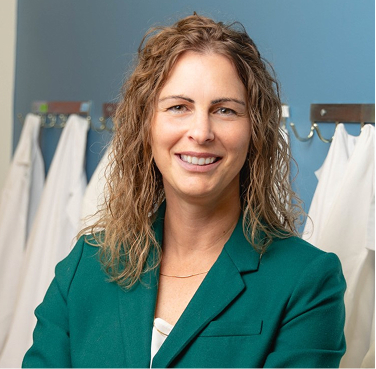
Jessica Martin Eckerly spent more than 20 years moving scientific discoveries from academic labs into the marketplace before she co-founded Forward BIOLABS, a nonprofit co-working lab that gives early-stage biotech startups in Madison, and now Milwaukee, a fully equipped place to begin. The idea started with a napkin scratch and a single collaborator who needed lab space. It has since grown into a home for more than 40 startups that have collectively raised over $360 million.
This episode is for biotech founders, scientists weighing the leap out of academia, and anyone working to strengthen Wisconsin's innovation ecosystem. Jessica and I get into why biotech is so much harder and more expensive to bootstrap than software, how shared lab space and on-site support help founders launch faster, and why so many companies choose to stay in Wisconsin as they scale. We also dig into the Elephas Bio story, the new ICP non-dilutive funding pilot, the Milwaukee expansion, and the camaraderie that keeps founders from going it alone.
Key Learnings
It Started With a Napkin Scratch
Jessica didn't launch Forward BIOLABS with a bunch of capital and ready to make things happen. The whole thing started when she was at WiCell and a UW-Madison collaborator came asking for a little extra space to start up. They set him up in a small lab, and within a couple of years that company had revenue and pharma collaborations. Word got around, and other PIs on campus started asking the same question: do you have space for us too?
When she got the chance to take a sabbatical and chase the idea, she did exactly what every founder in her building now does. Fundraising, business plans, talking to potential customers, all while raising young kids at home. The pilot opened in 2018 in that same little WiCell lab, proved companies could cohabitate, and that proof helped the raise. As Jessica put it, this didn't start with five million dollars to go build it. It started by recognizing the need and serving customers immediately.
Biotech Is Uniquely Hard (and Expensive) to Bootstrap
A software startup can run on coffee, a laptop, and a little funding. A biotech company can't. I asked Jessica why building in the life sciences is so much harder, and the list is long. You need lab space, hundreds of thousands of dollars of equipment, supplies, trained personnel, and a stack of safety and regulatory requirements before you can run a single experiment. On your own, that is months and serious money just to reach the starting line.
What Forward BIOLABS does is collapse all of that into day one. On orientation day, a founder walks into a lab that is already full of equipment and full of people ready to train them and fix that equipment when it breaks. Add in the regulatory approvals that almost every medicine, device, and diagnostic has to clear, and you start to see why having it all in one place isn't just convenient. It saves months and real capital.
The Real Unlock Is That Founders Don't Have to Go It Alone
The theme I kept coming back to in our conversation is isolation, or the end of it. Starting something nobody has done before is lonely work. You might have a co-founder, but you are still out on a limb. Jessica described founders walking in and immediately gaining allies, people down the hall on the same long product-development timeline, wrestling with the same IP questions and the same fundraising grind.
That camaraderie isn't a nice-to-have. It is part of how companies survive the years it takes to get a biotech product to market. It is the same pattern we keep seeing across the state: when you give builders a place and a community, more of them actually build. I wrote about that recently in a piece on how anyone can now build for their community, and how Wisconsin already is.
Everyone Is a Front Door to the Ecosystem
One of my favorite moments was when Jessica turned the tables and told me Startup Wisconsin is a front door too. Her framing stuck with me: the ecosystem is like an apartment building full of doors. It doesn't matter which one a founder walks through first, because everyone inside is pointing them down the hall to the next door, the next resource, the next person who can help.
Forward BIOLABS lives that out by constantly referring people elsewhere. They don't try to recreate the wheel. If a founder isn't a fit for the lab yet, the team still has the conversation, answers questions, and connects them to whoever can help right now. That kind of generosity is exactly the connective tissue a healthy ecosystem runs on.
Elephas Bio Shows What Starting in the Nest Can Become
When I asked for a story, Jessica pointed to Elephas Bio. They came to Forward BIOLABS during the pandemic, got to work right away, and graduated into their own space on Madison's west side. Today they have somewhere between 100 and 150 employees and have raised over $150 million. In 2026 they're launching a platform aimed at helping cancer patients learn whether their immunotherapy will actually work, and what side effects to expect, before they go through it.
What I love about the example is who founded it. Manish Aurora came up alongside Kevin Conroy at Third Wave and Exact Sciences, about as successful a biotech pedigree as Wisconsin has, and even he says the shared lab was a great starting spot. As Jessica put it, all comers are welcome, whether you are a serial winner, a university professor, or someone stepping out of industry for the first time.
Why Biotech Companies Stay in Madison
There is a real pull for biotech companies to leave for Boston or San Francisco once they scale. I asked Jessica why so many stay, and her answer came down to talent. Madison and the broader state produce a continual renewal of world-class people, not just undergrads but PhDs and postdocs, plus a deep bench of industry talent from the big companies already here.
She described it as a cluster effect. If you need to hire someone in regulatory or quality, there is a host of companies, large and small, that talent flows between. That depth is something you don't find everywhere. She has heard stories of companies that built somewhere new and then couldn't staff up, and she is grateful that hasn't been the story in Wisconsin.
A First-of-Its-Kind Funding Pilot and the Milwaukee Expansion
Forward BIOLABS is in the middle of a bigger push tied to Wisconsin's EDA-designated BioHealth Tech Hub. Part of that is ICP, the Innovation to Commercialization Pipeline, a non-dilutive funding program where companies apply against a specific milestone they're trying to hit, whether that's IND-enabling studies for FDA approval, getting to key scientific conferences, or landing sales partners to get a product to market. Jessica called it the first of its kind in the state, run in conjunction with BioForward Wisconsin.
The other pieces are a Milwaukee pilot and an expansion of the Madison footprint. Stakeholders in Milwaukee had been asking for help almost since Forward BIOLABS started, and now there are boots on the ground building relationships across institutions like the Medical College of Wisconsin and UW-Milwaukee. The Madison move into the MG Innovation Center will bring more shared equipment, which means more kinds of startups, including ag tech and clean tech, can use the space.
They Screen for Safety, Science, and Fit, Not Personality
I was curious how they keep the culture healthy, so I asked about the application process. Jessica was clear: the screening is about safety, science, and cultural fit, not personality. The first question is always whether the work can be done safely alongside everyone else's, and what needs to be in place to make sure it can. They lean on expert advisors for a double-check when something falls outside their wheelhouse.
What they don't do is filter for a type of person. Some founders are heads-down in the lab and home by evening. Others are at every social and event. The one real requirement is a willingness to work in a coworking environment, and founders tend to self-select into that when they reach out. The result is a collegial mix of people doing very different science with surprisingly similar struggles.
Transcript
Jessica Martin Eckerly: If you're a founder without any sort of Forward BIOLABS, you generally, you have some experiments that you need to do, and without anything like this, they have to think, well, how am I gonna get that done here? The day we do orientation, when it's all set up, they walk into a lab that is full of equipment that is full of people ready to train them to fix the equipment if it breaks. It makes a huge difference.
Jacob Miller: Hey, everyone. Welcome back to the Startup Wisconsin Podcast, a show where you can learn about Wisconsin's growing tech scene through stories of startups, founders, investors, and the talented people making it all happen. My guest today is Jessica Martin Eckerly, CEO, and co-founder. Forward BIOLABS. They provide co-working lab space in a supportive environment for early stage biotech startups in Madison and have recently expanded into Milwaukee. Jessica spent more than 20 years bringing scientific discoveries from academic labs into the marketplace. The idea for Forward BIOLABS started when she was at WiCell. And a collaborator from UW Madison came asking for extra space to start a company. That company got set up in a small lab and within a couple of years they had generated revenue. Then other people started reaching out with the same question. Do you have space for us too? The pilot launched in 2018 and Jessica will tell you she went through the same process as any founder fundraising. Business plans talking to potential customers all while starting her family, and it all started with a napkin scratch, not a $5 million check. The numbers show how far they've come, over 40 startups supported, and more than $360 million raised collectively. In this episode, we talk about why biotech is uniquely hard to bootstrap. What makes Madison's talent pool strong enough to keep companies from leaving for the coast? And their new pilot in Milwaukee as part of Wisconsin's EDA designated BioHealth tech hub. Alright, folks, let's get into it. So you've spent 20 years, you know, more than 20 years bringing scientific discoveries from academic labs into the marketplace, but what made you decide to co-found Forward BIOLABS and what problem were you trying to solve? Like what were you seeing in the industry as you were working within that space?
Jessica Martin Eckerly: The primary problem we're trying to solve is helping. These companies get started. I had been at WiCell, which is a nonprofit, serves the university and stem cell scientists and companies worldwide. But we had a collaborator from the UW Madison come and say, I'm, I'm starting a company. It's, it was a company called Brain Cell. They're still working hard today. We're starting a company. Do you have any extra space? And we put them up in a small. A small little lab within WiCell, and that was very instrumental to them in their work. And in a matter of a couple years, they had revenues from Top Pharma and they had collaborations in place, but they talked about how this environment, having everything set up and they could come ask. Ask us questions. How do I ship my cells? What do I need to be thinking about for this? This machine is broken. What can I do to fix it? And having all of that support, they, they just spoke really highly of. And in that same time period, we started hearing from other PIs on campus, I would like to start a company, I'm ready to go. Can we, do you have space for us too? And so that's where this idea started. You know, there's this appetite for help starting companies. Really, and this equipped and supported space was something people were asking for a group of people, including Aaron Oliver, Pam Christensen, Robert Droppy, the co-founder Lisa Johnson, bill Murphy. Wharf and, and several others. We had all kind of been talking about this and everybody was on board. And what I mean by that is everybody understood that if we were gonna make this happen, everybody was gonna have to put in. This is, this is structured as a nonprofit and that's one of the things that makes it really special, not just to the companies here, but to our community.
Jacob Miller: Yeah. When you started that pilot in 2018 in Madison. What did it take to kinda get all of those organizations, those individuals, like on board to like make this real? Like, I mean, I'm sure
Jessica Martin Eckerly: yeah,
Jacob Miller: probably some friction and you know, you know, obviously a lot of different folks have different incentives or goals that they would like to get out of it that benefits their organization more, et cetera. Yeah. But yeah. What was that like trying to, uh, to get it off the ground?
Jessica Martin Eckerly: It was busy and it was a lot of work, but it was a lot of fun. What was happening at the time is there were, there were some of these coworking labs on the coast that were really taking root and they were seeing a lot of success and impact and. In Madison. There had been like a couple little efforts on, I might try this or little different flavors, but there hadn't been any dedicated resource. And so when I was invited to take a sabbatical and see if this could move forward, it was a basically a napkin, as a napkin scratch. And so I found myself on the same path as what any other startup and founder is doing, and that is fundraising business plan. Talking to potential customers and then getting that pilot lab open. And it was very fortunate and really grateful to WiCell because we had a very, they worked with us on the pilot lab. That same little lab that brain Cell was in became the pilot lab for Forward BIOLABS for wasn't very long a year maybe, but that allowed us to get some companies in who had been asking when can we start that proved out the concept that companies would. It was possible to cohabitate and that helped the fundraising. But the bigger footprint, which is done the second floor from the, the pilot lab opened six to eight months later. But I think that journey of starting from scratch, fundraising, getting all the stakeholders on board, which is a very similar experience to all the founders here, and it, it turns out that that's a really. I just have appreciated that experience because I know where they're at and they know that I know where they've been at. This didn't start with $5 million to go build it. It started with recognizing the need, starting to serve those customers immediately, and then helping to bring that help to the fundraising.
Jacob Miller: Yeah. I wanna talk about the unique. Difficulties that that biotechs startups specifically have? Yeah. Compared to other startups. You know, obviously in Wisconsin we have manufacturing startups, we have, you know, software startups. Mm-hmm. Things like that. Um, you know, they can run on coffee and funding and all that kind of stuff, and just a computer. But there's so many more facets to dealing with the sciences. So talk about why, why building something within life sciences as a company is so hard and expensive. Like what are the things that they usually have to deal with and figure out as they're going along?
Jessica Martin Eckerly: Yeah, so if you're a founder without any sort of Forward BIOLABS, you generally. You have some experiments that you need to do. They're either de-risking or they're scaling up the manufacturing, or there's something that you need to get done. And without anything like this, they have to think, well, how am I gonna get that done? I need some space. I need all this equipment. Then I need the supplies and the personnel, and just those things with the space, the equipment, and all of the safety things around. I mean that, that's months and hundreds of thousands of dollars at best here. We, uh, the day we do orientation, when it's all set up, they walk into a lab that is full of equipment that is full of people ready to train them to fix the equipment. If it breaks, it makes a huge difference. And the reason that it's important in life sciences, almost all these companies have regulatory approvals, and the regulatory approvals require certain tests, certain processes, and that drives the cost of developing these products up. Medicines, devices, diagnostics, but also in ag tech and food tech. With the EDA, they're in the EPA, there are some and clean tech. There are sometimes regulations. So it's exciting when somebody starts in the lab and they are just immediately like, this is so fantastic. So it never ceases to get old, I'll be honest. It's every time. It's really wonderful to see them light up with all the stuff they can get done.
Jacob Miller: That's awesome. So it feels like the barrier, barrier to entry is just a lot higher because of like all the nuance, all the regulation, access to equipment. Like you, you could buy the equipment that, but then like you said, like does someone know how to fix it? Can they repair it? Do they know how to troubleshoot it? There's just, I feel like so many more variables.
Jessica Martin Eckerly: The other thing is it's simple. Like sometimes you can access a piece of equipment on one part of a campus or with a contract manufacturer or CRO, but the ability to get it all done in one space is also a time saver. 'cause there's less to figure out. There's Oh yeah. Fewer agreements. You do one thing and you're set and you can just go.
Jacob Miller: Yeah. 'cause I'd imagine too, like if you're dealing with, you know, anything within biology, like, hey, I have. I have my samples here. I gotta safely transport this sample now to this other location. Like I, you know, does it have to be cooled when I transport it? Like there's all these different things,
Jessica Martin Eckerly: all the secondary containment. Yeah,
Jacob Miller: yeah, yeah. That's just, it's just wild. And you know, I think just like anything in this world, like, you know, I just think about the logistics of, of food. Like transporting cold food across the country is like a feat in itself. The fact that we have systems in place that do that is just, you know, wild. So just thinking about like, Hey, I'm doing something that's never been done before. I really unique, I have really unique specimens or samples, and I need to figure out like how to keep this thing safe, contained and, and usable as I'm going along through this whole process. And I love that you said like it's simple because it's all in one place versus I'm gonna go to this lab and I'm gonna drive across town to this one. Or I gotta drive two hours to another one or fly somewhere to another one. You know, like I'm sure that's happened in the past
Jessica Martin Eckerly: all the time. Yeah. Yeah. And I was gonna say for everything we provide. Uh, inevitably companies have collaborators. They have other contractors they're working for or working with, but the option, and then just, it's less so you don't have to contract everything, so you might have two contractors versus seven makes a difference.
Jacob Miller: Yeah. I feel like the, the theme I'm feeling is like these people, these founders don't have to go through this process alone anymore.
Jessica Martin Eckerly: Yes.
Jacob Miller: Which I think is like the hardest part of this whole journey. It's like, Hey, I'm doing something. I mean, you might have a co-founder, but like, Hey, I'm choosing to do this thing that's never been done before and I now have people on my side. I have new allies that can help me through this whole process, which is really, really cool.
Jessica Martin Eckerly: we hear,
Jacob Miller: are there any like stories maybe related to that where you feel like, oh wow, like, you know, this person came to us and they were just struggling and once they came to us, like it unlocked everything for them. Do you have any examples of that or,
Jessica Martin Eckerly: you know, we get founders at different time periods, so like sometimes we'll get a founder that starts with the office when they incorporate and their grant writing and raising money, and they add the lab and then they get to work others for various reasons. Maybe they started before for BIOLABS existed and they're working in their independent lab space, but they've got a new project or they have a new manufacturing need, and so we just welcomed one. A couple months ago that had different needs and when they began their work outside of Forward BIOLABS, and it was fun to hear them say, what we did is, as in your words, unlocked new capabilities in a, a better, a better lab environment for them to do what they needed to do. They needed to do some light manufacturing of, um, some beta product. And so that's fun because they had been struggling with like, trying to get it done themselves. And here it's just all here and they got it done very quickly.
Jacob Miller: Yeah, you kind of talked about folks are coming in early, in earlier stages like grant writing and stuff like that. What is like a, the best fit, or like in your mind, what is probably the best experience for someone coming in, Hey, I'm gonna start up for BIOLABS. I have this idea, or I'm looking to get funding, or whatever that thing is. Like, do you feel like, hey, as soon as you know, you have a little bit of traction on something, you should just come join us and be a part of what we're doing? Or do they need a certain amount of traction to actually say, hey. I now feel like I need some lab space to start doing stuff. Yeah. What is a good fit? Like what does a founder fit look like for Forward BIOLABS with your team?
Jessica Martin Eckerly: A founder fit can look different depending on where they are in their journey. Sometimes we hear from companies and they start the next month in the lab and they're ready to go. Other times we talk with a founder who's thinking about starting a company and they start the company two years from when we have a conversation and they. Join the lab and office a year later. Ultimately, at least for me personally, I had always hoped that it for BIOLABS not just would help companies get started quickly with the lab and the the supportive environment, but also that if you're thinking about starting a company, you can have a conversation and know that if I wanted to do this, this will be here and it will make it much easier because. Sometimes the barriers to starting a company are logistical and they're financial, but also it's a mental risk. How big of a hurdle is this gonna be to get started? That hurdle has been reduced and
Jacob Miller: agreed.
Jessica Martin Eckerly: I just as a resident in Wisconsin that wants to see our state. Provide as many opportunities for people as possible. That's something that's important to me personally, and so we're happy to talk with people at wherever they are in their journey and it, it varies quite a bit.
Jacob Miller: Yeah, I, I'd imagine like, you know, you're probably like super excited for folks that are. Very, very early on because they just have so many questions and you can, even though you might not be the best resource for them today, you can at least give them some insight into like who they could talk to right now to help them get to that next phase where they need to go. Or just that connection, whatever connection they need. And then, you know, later on and they come back and they're, they're ready to go. Like, yeah, like I feel like that happens a lot where there's a lot of different organizations, whether it's the WDC. Or starting block or wherever. Like it's like just come and ask. Just come and share where you're at and ask questions. And that's really like the best case scenario is because there sooner you can learn things or get connected to the right people.
Jessica Martin Eckerly: Yes.
Jacob Miller: The faster you can get over whatever that hurdle is, even if it's a little lower, Hey, why? Why try to like, you know? Yeah. Draw the map by yourself when you can kind of get some directions before then, you know?
Jessica Martin Eckerly: Yes. We try not to recreate the wheel in anything, so we are continually sending people out. To others to access the other resources because it really does take a village like I, I like to talk about. It's like we're a cog in among many gears in our ecosystem. Um, and so we hear like other entrepreneurial endeavors refer people to us and we do the same thing because just like you said, there's different resources for people at different time points and it's, that's what makes it. That's what makes our ecosystem great. And I agree with you. I always like, I hear this when we host tours even from different parts of the world. They're like, people here are very, uh, willing to help and really talkative and genuine. Like, you don't need to be in the lab if it's not the right fit for you right now. You know, you do do what you need to do and we're here. Uh, if and when you need us, so,
Jacob Miller: yeah. Yeah. And I think, you know, we all know that like we all have our own stories of like whatever door someone goes through, they, they don't know like that there's other doors to go through to enter into like the ecosystem or find your people or find your, the service that you need. So I think like all of us being different doors to the ecosystem and allowing. Us to, Hey, you should actually go over there. Like they'll, they'll be able to help out even more than I can, et cetera. And that's something that we hope at Startup Wisconsin to figure out is like, how do we become that front door and say, Hey, no matter who you are and what you're looking for, we can help you get connected to that thing or that group or that person. I mean, that's the dream, you know, or we're trying to figure out as we own, we can only do as much as we can within the limited constraints we have right now. Um, yeah. But, but you
Jessica Martin Eckerly: are a front door.
Jacob Miller: Yeah. I You're a front door. We are a door now. Yeah,
Jessica Martin Eckerly: you're a front door. I think that's what's great. Like there are several front doors and whatever front door people walk into, they're gonna, it's an apartment building full of other doors and we're all, we're all telling people to continue to walk down the hall and continue to. Go through the next front door. So,
Jacob Miller: yep. You gotta go to the, up the elevator. Third floor. Yeah. Second door on the left. Yep. Um, awesome. Well, I wanna talk about some of the, the impact and the, the, the startups that are within Forward BIOLABS. Um. You've supported over 40 startups from, from the, the data that I gathered that have collect collectively raised over $360 million, which is awesome. I, I wanna talk about some of the companies or innovations that are coming outta there. I know you wanted to talk about Elephas Bio, if I said that correctly, and, and what's their story and Yeah. Tell me more, more about them and what they're doing.
Jessica Martin Eckerly: Elephas Bio. I wanted to highlight them because they're just making, they're such a good example of a startup that came to, for BIOLABS, got to work right away. Uh, this was during the pandemic and graduated. They now have somewhere between a hundred and 150 employees on the, the west side of Madison. They've raised, uh, over $150 million. And this year, 2026, they're working on launching what they're calling the phis Live platform. And that platform is designed to help cancer patients to know if their immunotherapy will be effective or not, or if it's gonna have a lot of side effects. So it's a, it's on the cutting edge of this great new field in immunotherapy. And it's a great example of, it's a great example of. What we like to say is a company that starts here in our nest and goes on to create their own and has impact for patients and also our community. They're hiring people. These people have families. There's economic impact as well. And they're also right. I consider them to be in this personalized medicine space, which is what our designation is in with the EDA, which is another great win for for Wisconsin BioHealth. And so they're a really good example. The other thing with Elephas Bio is Manishh Aurora had been, had grown up with Kevin Conroy at Third Wave and Exact, which is a huge, exact success story. Even with as much talent as he had that he'll still say that this was a, a great starting spot. And so it doesn't matter if you're come from a super successful background like he did, or you're a university professor or someone stepping out of industry to start your own company. All comers are welcome. Like we're here to help whoever, whatever, founder. And it's not just in BioHealth. We have some clean tech and ag tech companies as well.
Jacob Miller: The Startup Wisconsin Podcast is presented by Valency Fund. You built a company with real revenue, you've got a growth plan, but traditional bank loans and venture capital don't fit your business stage or model. Sound familiar? That's exactly the gap. Valency fund was built to fill. We provide flexible growth capital designed specifically for Wisconsin companies in tech, advanced manufacturing and agribusiness that are ready to scale. What makes us different, we're not looking for exits. We offer funding structures like revenue-based financing and redeemable equity, so you can grow with capital that fits your business model. And beyond the money. Our team brings decades of experience in startups, including operations, financing, and more. We are a true partner, not just a check. If your business has a solid revenue base, a clear growth plan, and Wisconsin Roots Valency Fund wants to hear from you, head over to valencyfund.com to learn more and start our conversation today. Valency fund innovative capital for lasting growth. I do wanna talk about too, you mentioned or you, you just talked about how like there's like a really interesting and strong like ecosystem within Madison for this type of industry and this type of work. Why do you think. When companies go through Forward BIOLABS, like why do you feel like they, they stay When there is opportunity for them to maybe go somewhere else like Boston or San Francisco or something like that, why do you think they end up choosing to stay in Madison after they maybe graduate through your program or through having a lab space there? What is it about Madison's specifically that you think keeps people here?
Jessica Martin Eckerly: We have a great talent pool in Madison and in Wisconsin. Very, that's. Very clear. There are always world class graduates at all levels coming out of the University of Wisconsin Madison, and out of our state schools as well. But that continual renewal of. Talent, um, not just at undergrad, but PhD and postdoc as well. And then all of the industry that's here as well. There's, it's like in like some, some lenses, they talk about it as like a cluster effect, but if you need to hire someone in regulatory or quality, there's a, a host of companies, big, big companies, small companies, and that's a sign of a really good, robust ecosystem. When you know that you can hire. Because that you don't find that everywhere. I do know that there are companies that have established in different, I've heard stories, and when you can't, you make a big investment in a new plant or a new site and they can't hire, that's a problem. And thankfully we, I have yet to hear that that's an issue in, in, uh, in Wisconsin.
Jacob Miller: Yeah. I was kind of curious around like, you know, if there's velocity of growth of startups and is the talent that's coming outta the universities in Wisconsin? Enough like to cover like the opportunities that are coming that are coming out. And maybe another question around that is like, do you feel like a lot of the, the, the startups, the talent that they're looking for, do they usually find some of these folks like still wrapping up, like maybe their PhD or something like that, where they're like in the, in a program still and then they end up like kind of interning and then end up in a role? Like kind of what is, yeah. What is it like that talent pipeline kind of like right now?
Jessica Martin Eckerly: Yeah. When it comes to we, that is a frequent path is that a PhD or postdoc student will be working on a technology. The company will be founded as they're finishing their PhD or postdoc or during that process. And so then that company kind of gets launched right out of the university with the person who is integral in inventing that technology. And that's a a really, it's a. Common path, uh, especially for folks out of the graduate degrees in at uw. What I was thinking about is, um, the other talent we have, all the scientific talent, but I, I would say that's not to say we don't have incoming talent because plenty of companies hire specialists in from other parts of the country, and that's also beneficial to our ecosystem because if you can pull in a world class. COO from Boston who's done this for 40 years to help your company, that's a great win too. And so we have scientific talent, we have industry talent, but I, I think it's also great when people pull in others from outside for leader, different leadership positions or advisors and, and certainly funding.
Jacob Miller: Yeah. All right. Well, awesome. I wanna talk about your pilot that you're, you're kind of like testing out in Milwaukee. Yeah. Um, you just made this announcement with a, a new program called ICP. Maybe talk about what, what is ICP, uh, what's driving that growth? Why are you piloting in Milwaukee and, and what does that look like?
Jessica Martin Eckerly: so both of those, the three efforts that we have around our expanded programs and footprints are. The basis of our project with the Wisconsin BioHealth Tech Hub. Uh, and so this is state funded and it's alongside the EDA funding for the tech hub projects. And I wanna clarify that because it's part of this building, Wisconsin as a BioHealth leader nationally and internationally, and a recognition of what already exists here. But the ICP program, its innovation to commercialization pipeline that is non-dilutive. Funding for companies. They apply for what, what are they, what milestone are they trying to hit, and how could a a bit of funding help them kind of get across the finish line and through their next fundraise. Companies have applied for and are actively working on things like IND enabling studies. Studies that they need for FDA approval. Others have a product and they're working on getting it out on the market. And so they've applied for, I need to get to these scientific conferences so that I can be presenting or sales partners to get their, their com, their product out on the market and into the hands of customers. So it's really interesting to see, and as we expected a broad set of. Milestones that they're trying to hit, kind of based, based on what, where they are, where they're at. But we ran one round of it, um, in 2025 and we're gonna, uh, look for a announcement in the next month or, um, about the second round. And then the other pieces of that, of that Tech Hub funding are piloting a Milwaukee presence. So soon after four by labs started, stakeholders from in the Milwaukee region had been reaching out. How can you, how could we. How can we, how can you help in Milwaukee? And so this is that effort of working with the stakeholders and the startups there just to do some good in whatever, whatever form that takes, uh, beyond the pilot will remains to be seen. and then we're expanding in university research park or footprint here, so that's, that's really exciting as well.
Jacob Miller: Yeah. I'm curious, what, what is unique about, uh, what's going on in Milwaukee and, or maybe what excites you about, like, what, what, uh, is happening in Milwaukee specifically through the kind of the program and the efforts that you're seeing so far?
Jessica Martin Eckerly: Yeah. You know, I just was there all day yesterday with the director. We have boots on the ground. Shibu Barty. We were at Medical College of Wisconsin Varsity, university of Wisconsin, Milwaukee. What a day. There is a lot going on in Milwaukee and kudos to all of those stakeholders who have put together really fantastic core resources and bits and pieces of things that help startups in. Um, not the same format, but that is working to accomplish the same goals that we're doing in, in Madison. So it was really wonderful to see all of that. 'cause I, it's just different when you get like a full, really detailed tour and I had seen some spaces, but I hadn't seen these yesterday. So, um, there's a lot of enthusiasm and there's a lot of just things being put together. Uh, that's really exciting to see in Milwaukee.
Jacob Miller: Awesome. I wanna talk about the kind of ecosystem and culture of Forward BIOLABS and, and just maybe Madison in general. Uh, you've described it as a nurturing environment or like a home for founders who don't quite fit in academia or in a corporate setting. So what does that look like in practice? You know, what, what is the, what is, what do people experience when they're part of, uh, forward baps?
Jessica Martin Eckerly: What I mean when we talk about you don't quite fit in academia or industry is there's this kind of in-between phase where it's not a research project anymore and so you don't wanna get sucked back into the research at in the PI's lab, but you're not. A Promega or an Aldevron or an exec site, you're not really big yet. And so what we provide is a like-minded place where you're gonna run into other people who are building their companies, who are real early on. And there's just a deep sense of camaraderie when you can come here and chat with people on the same path with these long product development timelines and like similar maybe. They're all working on different things, but just that commonality of this is a long thi, this is a long time, this is a long process. I'm endeavoring on here with some, like they all have licensing things or their IP and big fundraisers and there's just commonality in that. That makes for a, a fun, collegial environment. And of course we encourage that and we make introductions and. But people tell me, and what people tell our team is they like that we're always here, we're always here for questions. Whether it's a good day or a bad day in the lab, or it's a good day or a bad day out fundraising, and that they, they can talk to each other too and get to know each other.
Jacob Miller: Yeah. Yeah. Do you ever, when people are like applying to, to be a part of it, is there any sense of culture fit? Like, I'm not gonna say personality fit, but do you know, do you, is that something you, you take to heart when you know people are applying to be part of the program? 'cause obviously. You don't want, like toxic founders like being there and doing things like that. And I don't know how common it is within that space. 'cause like this, everything's just very, you know, research driven and, and mm-hmm. There's this longer cycles of things, but I'm just curious if that's something that you, you think there is like, oh, is this person like gonna be a positive, have a positive impact, like on our member, on other members? Um, or is that not something we really consider, I guess, yeah.
Jessica Martin Eckerly: Yeah, the screening we do is around safety, science, and cultural fit. And so is this like, when it comes to the lab, uh, what's the work to be done and can it safely be done alongside, alongside others? Or what do we have to put in place to make sure that everybody is safe? And so that's always the very, very first informal, um, screen. And it isn't very often that things aren't a good fit, and we've got a really good. Feel for that. We also have advisors in specific areas that we go to when we do have questions who are experts in their fields as a double check, and they've been really wonderful. Seth Kin and Dave Oma are two of our great advisors, and as far as people fit, we don't really screen for personality because for are some people who are, they're in the lab, they're quiet, they're doing their work, and they go home. Others are super social and they're at all of our socials and events that we do. It just kind of, some people, like sometimes I walk in in the morning and there's a few people having coffee in the front talking about their days. It just just kind of takes, it's all kind of all comers. We do on the, at the company level, they do have to be willing to work in a coworking environment, but they're sort of self-selecting into that when they contact us, and so they're. There's sort of a, and if, if there is something, then what we find in the screening process is it's not a good fit. But those that do come are, um, it's just, it works really well and for all different kinds of science too that uses similar equipment, but for different purposes.
Jacob Miller: Awesome. Well, what, what else are you looking forward to this year, other than the, the pilot that's running in Milwaukee? Is there anything else that you're, you know, whether it's things that members are working on. Or things that you and your team are working on and excited to, to share. I know that you might not be able to share everything, but, uh, just curious what's on your mind for 2026.
Jessica Martin Eckerly: 2026? There's a few things that we're really excited about. We're really excited about the second round of ICP. This program is the first of its kind in the state, and we really are grateful for that opportunity. This program, it's being done in conjunction with Bio Forward Wisconsin, uh, and Lisa Johnson. Team, and it's just a really great opportunity for entrepreneurs and that that program is BioHealth specific and so we're looking forward to that. Uh, we just started working with entrepreneurs in the Milwaukee area and so we're excited to. Dig in and shive them, spend having several conversations with, with those founders. And so that's fun to see that taking shape and to be working with the companies in a way that's impactful for them. And hearing Madison, both Aaron Oliver and I are really excited for the expansion that what's really fun is. We've been in the same building for about eight years and it'll be, there's some really fun opportunities on the horizon for when we move that will benefit a wider array of startups. And it's a move and it's also a, a long-term opportunity to build value for startups here in Wisconsin.
Jacob Miller: Yeah. What, you said more startups, like, what does that look like? What is, because you, I know you have, you say, you were talking about some of the ag tech startups and food tech.
Jessica Martin Eckerly: Yep.
Jacob Miller: Is it to lean more into those spaces or is it to. Is it other markets? I'm just kind of curious.
Jessica Martin Eckerly: Yeah. We're excited that in the next footprint we'll have more space for shared equipment and so by getting more shared equipment, whatever startups and whatever industry they happen to be and can utilize that equipment. But there's some things that have been in our wishlist for a while that we're really excited to, to bring in that will naturally service a, a broader set of companies and will be in a building where there already are. Another set of startups that, it's called the MG Innovation Center. And so it's got small suites and we'll be able to work with some of those companies as they want or need. And so it's, um, we're really excited about it. New York. Yeah, that's has got a really great partner and it'll be kind of the next phase of our, our partnership.
Jacob Miller: That's awesome. Well, congratulations on the planning, the progress, all that kind of stuff. It's, it's incredible. And I just also wanna say thank you for doing what you're doing, your entire team for doing what you're doing and any of the partners that are involved with helping all this become possible. Because like you said, it's like all these founders would be trying to figure it out on their own. If it wasn't for you taking the chance and saying, Hey, I'm gonna. Pilot this program in Madison and see if it has legs and see what we can do here. And uh, and here we are. He said, you know, eight years later,
Jessica Martin Eckerly: I'll, I'll be honest, when I look back, I mean, my kids were, I had like a one four and 6-year-old at the time. It just, when I look back, it was a little crazy, but I just felt so, so convinced how that if it could get off the ground, it would be really impactful. And so, yeah. Hopefully we're just at the start of that.
Jacob Miller: Yeah. So if, if a scientist or a founder's listening and thinking, Hey, this might be for me, you know, what should they know and, and how did they get in touch?
Jessica Martin Eckerly: The best way is through the website to submit an inquiry. It get, it hits the whole team, and so we can get back, get back to you. We try within 24, 48 hours and have a conversation. And having a conversation is our, our mo what are you looking for? Where are you in your process and how can we help or how can we connect you with others? That can help. And so it's never really too late or too, too early. Uh, we're happy to chat with, with whoever, even if you're just kinda looking for what should I be considering?
Jacob Miller: Yeah. Awesome. Well, thanks again for your time and uh, best of luck on, on everything and hopefully I'll see you soon.
Jessica Martin Eckerly: Yeah, for sure.
Jacob Miller: Thanks for joining us on the Startup Wisconsin Podcast. Wanna support the show. Don't forget to subscribe and get updates. If you're feeling generous, you can share, rate and review our podcast to help others find us. Alright folks, until next time, let's keep moving Wisconsin forward.
Show full transcript
Subscribe
Get updates on future episodes, events, and more from our newsletter.
Listen On



Show Notes
(00:00)
Introduction
(04:10)
Building the 2018 pilot lab launch
(06:34)
Why biotech startups cost more
(08:41)
All-in-one lab simplicity advantage
(11:09)
Founder unlocks and early wins
(12:17)
When founders should join a lab
(15:04)
Ecosystem front doors and referrals
(17:10)
The Elephas Bio startup spotlight
(20:44)
Why startups stay in Madison
(24:13)
The Milwaukee pilot and ICP funding
(26:38)
Milwaukee ecosystem momentum
(27:44)
Culture, safety, and fit screening
(31:55)
What's next in 2026
(35:18)
How to get involved
Connect with Jessica Martin Eckerly
Related from Startup Wisconsin
Fixing the data problem slowing down life-saving drugs
Show Notes
(00:00)
Introduction
(04:10)
Building the 2018 pilot lab launch
(06:34)
Why biotech startups cost more
(08:41)
All-in-one lab simplicity advantage
(11:09)
Founder unlocks and early wins
(12:17)
When founders should join a lab
(15:04)
Ecosystem front doors and referrals
(17:10)
The Elephas Bio startup spotlight
(20:44)
Why startups stay in Madison
(24:13)
The Milwaukee pilot and ICP funding
(26:38)
Milwaukee ecosystem momentum
(27:44)
Culture, safety, and fit screening
(31:55)
What's next in 2026
(35:18)
How to get involved
Connect with Jessica Martin Eckerly
Related from Startup Wisconsin
Fixing the data problem slowing down life-saving drugs
Listen On
Listen to more episodes


Never miss an episode. Discover hard-to-find tech and founder events.
We dig up what's going on every month so you don't have to.
Get updates on exciting new podcast interviews, events, startup programs, accelerators, resources, and pitch contests happening in Wisconsin.
Choosing a city only tells us the region you live in.
It does not mean you only get updates for that city.
Have questions? Ask away.
hello@startupwi.org


