
The number everyone will lead with is $55 million. That is the size of the incentive package the state of Wisconsin and the city of Madison committed to land Realta Fusion's headquarters and research facility at OM Station, the site of the old Oscar Mayer plant. It is a big, quotable figure, and it is the least interesting part of this story.
Because you cannot buy a company that was already yours. Realta was born here. It spun out of UW-Madison and still runs its experimental machine at the university's Physical Sciences Laboratory. The interesting question was never how much cash it would take to attract Realta. It was whether Wisconsin could give a homegrown, world-leading deep-tech company a reason not to leave. Realta spent the better part of two years looking at sites in Illinois, New Jersey, New Mexico, and Tennessee. It chose its own backyard. What actually made that possible is a piece of policy most people have never heard of.
What was announced
The facility and the jobs
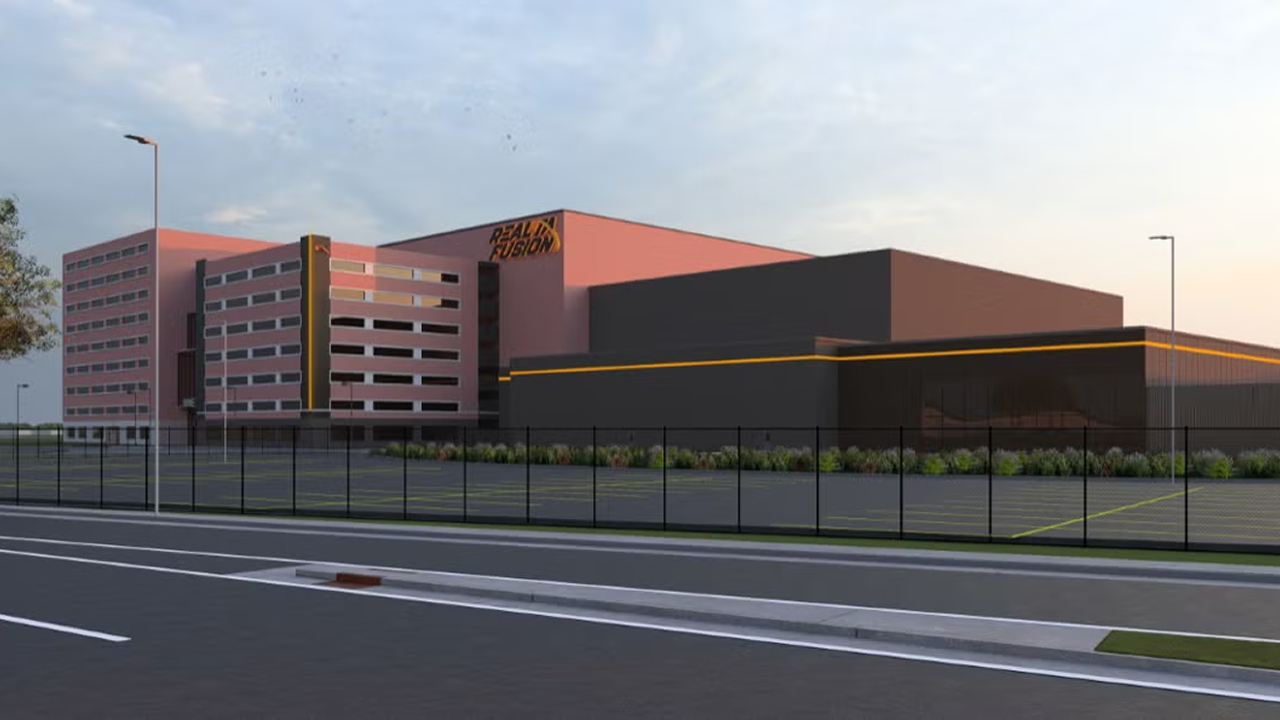
On July 15, Realta Fusion, which bills itself as the world's leading magnetic mirror fusion energy company, confirmed it will build "The Realta Forge" at OM Station in Madison. The facility will serve as both corporate headquarters and R&D center, and Realta expects it to create more than 600 jobs across technical and non-technical roles. Groundbreaking is expected before the end of the year, and the first thing built there will be a prototype fusion machine the company calls Hammir.
The package, in three parts
The public commitment breaks down into three parts: an estimated $37.5 million in state sales and use tax exemptions, up to $15 million in performance-based enterprise zone tax credits from the Wisconsin Economic Development Corporation, and $2.8 million in tax increment financing from the City of Madison for job creation. That last piece matters more than its size suggests. It is the first time in a decade that Madison has issued TIF to a private company for job creation, and it was the final element that unlocked the deal.
From bologna to fusion
There is a nice piece of Wisconsin symbolism in the address, too. A plant that once defined 20th-century food manufacturing is about to house a 21st-century fusion lab. Same site, new economy.
The part that actually changes the math
A check versus a law
Here is the piece I would circle if I were an ecosystem builder anywhere in the country. In April, Governor Tony Evers signed Wisconsin Act 165 into law: the first standalone piece of state legislation in American history to exempt capital expenditures on fusion energy projects from state sales tax. Representative Benjamin Franklin and Senator Dan Feyen authored the underlying language. It is easy to read past a line like that. Don't.
A one-time incentive package is a check. Any state can write one, and most of Realta's finalists surely offered something. A law is different. It is permanent, it is structural, and it applies to every fusion company that looks at Wisconsin, not just the one that got the headline. The enterprise zone credits helped close this specific deal. Act 165 changed the underlying economics of building fusion infrastructure in the state, full stop. That is the difference between winning a customer and building a market.
WEDC framed Realta's decision as staying "where it all began," which is the retention story. But the more useful frame for founders and ecosystem builders is this: Wisconsin didn't get lucky with Realta. It built the machinery to win a category, then used it.
Why this matters for the Wisconsin startup ecosystem
Policy is startup infrastructure
We spend a lot of energy in this ecosystem on capital, talent, and mentorship, and rightly so. But the frontier-tech companies of the next decade are capital-intensive and location-sensitive in ways software never was. The states that win them will be the ones that treat their legal and tax frameworks as a competitive product. Act 165 is a template for that thinking.
Retention beats recruitment
It is cheaper and more durable to keep a company that already loves where it is than to lure one that doesn't. Realta's own leadership called Wisconsin "the most favorable business environment" it found anywhere. The capital stack behind the company reinforces the point: Khosla Ventures and Future Ventures on the private side, a spot as one of just eight companies in the U.S. Department of Energy's flagship Milestone-Based Fusion Development Program, and a 2026 World Economic Forum Technology Pioneer designation. That is a company with options. It stayed.
Keeping the company is only half of it. Those 600 jobs have to be filled by people who are also willing to stay, and that is a separate argument that has to be made to a separate audience. The Idea Fund of La Crosse is making it on the talent side, which is the story behind its new vetted startup job board.
Being first is a signal
Realta is now proof of concept for a Wisconsin fusion cluster, and the state has told the next ten companies exactly where to look. As Realta's own site-selection lead put it, Wisconsin has taken "unprecedented steps toward becoming the most credible regional hub for fusion activity in the country." Credibility compounds.
The $55 million bought a facility and 600 jobs. The law behind it is what could buy an industry. That is the deal worth watching.
If you want to meet the founders building Wisconsin's next frontier companies, that is the throughline of the Startup Wisconsin Podcast.