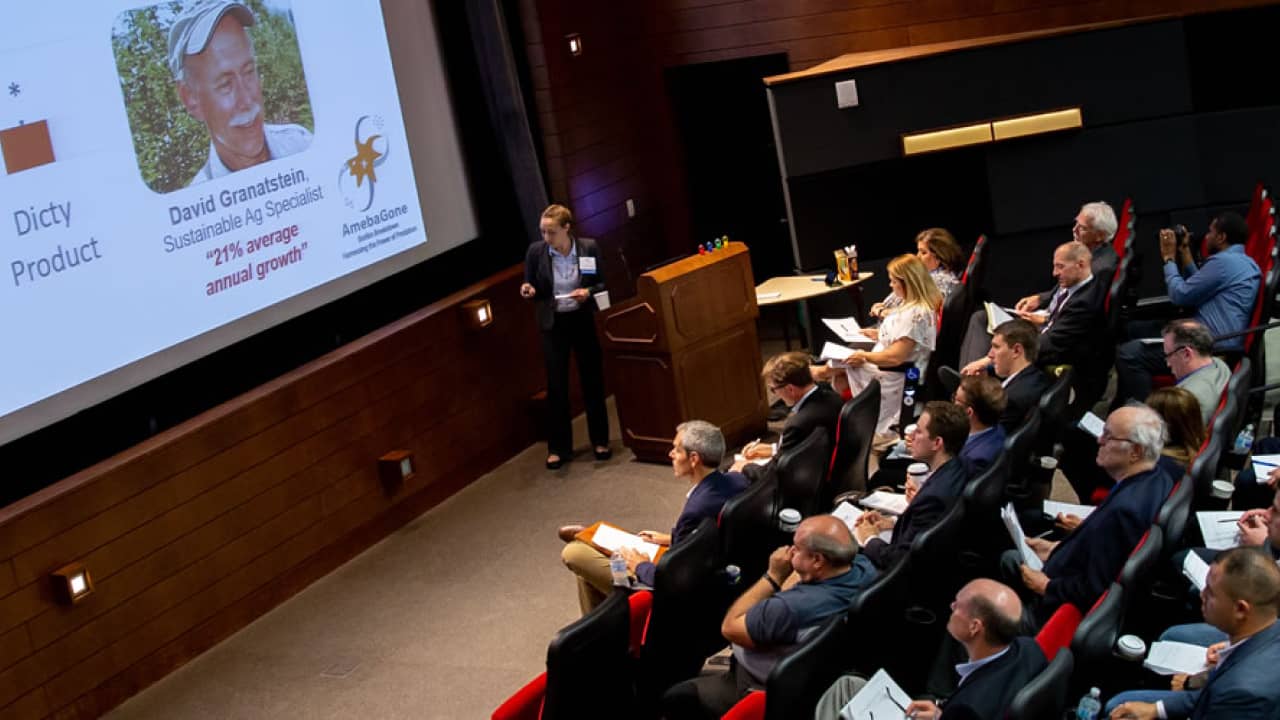

The manufacturing startup panel at the Wisconsin Tech Summit, hosted by the Wisconsin Technology Council at Oshkosh Corp HQ in late April, had three early-stage companies actively deployed with real customers. Not demos. Not pilots. Live in production.
Three different approaches to AI in industrial settings. Worth knowing about all three if you run an operation in Wisconsin.
How Circuit cut field tech resolution from 6 minutes to 10 seconds
Jake Hurrell from Circuit opened with a story I've heard versions of before, but with a sharper punchline.
Circuit was founded by Tyson Tuttle, the former CEO of Silicon Labs, a billion-dollar publicly traded semiconductor company, along with other Silicon Labs veterans. They had complex documentation, complex SOPs, and PhD salespeople who refused to read manuals. So they did what any good operator does. They ran 200 AI pilots with about 60 different vendors.
The punchline came from their meeting with Google. Two-hour pitch about Gemini in a fancy boardroom. At the end, the Silicon Labs team asked how Google was going to handle the last 10%, the part where things get specific. Google's response was that their other 5,000 customers weren't asking for it.
That answer was what kicked off Circuit. They built a model trained exclusively on industrial and manufacturing documentation. Not general internet text. Not consumer use cases. Just the actual stuff the industry runs on.
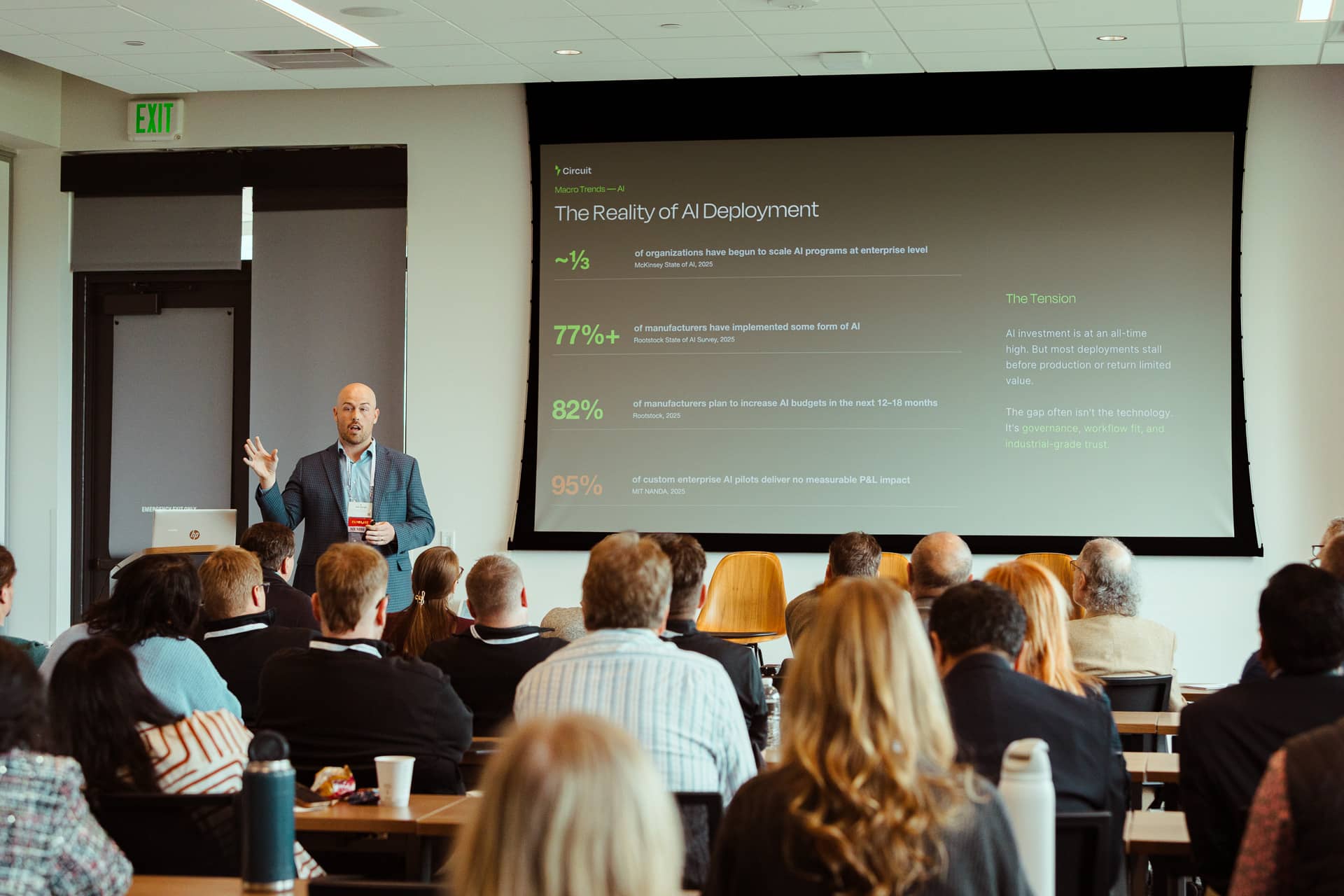
Their flagship customer is Culligan, the water purification company. 8,000 techs in the field. 500,000 pages of manuals. Culligan ran an onsite bake-off between Circuit, OpenAI, and Microsoft Copilot. Circuit won on speed, accuracy, and cost.
The numbers are real. Field tech resolution time went from six minutes to ten seconds. Projected ROI is $8 million. And here's the part that matters most for adoption: 90% of Culligan's techs love the tool and recommend it to colleagues.
Circuit also runs on the front end of the sales process. One of their customers, a $100M ARR pipe valve and fitting company, had estimators taking up to two weeks to respond to massive RFPs. Circuit cut that down to 15 minutes with a human in the loop. Their bid backlog went from 60 expiring quotes to nearly zero.
How Strudel surfaces institutional knowledge before it walks out the door
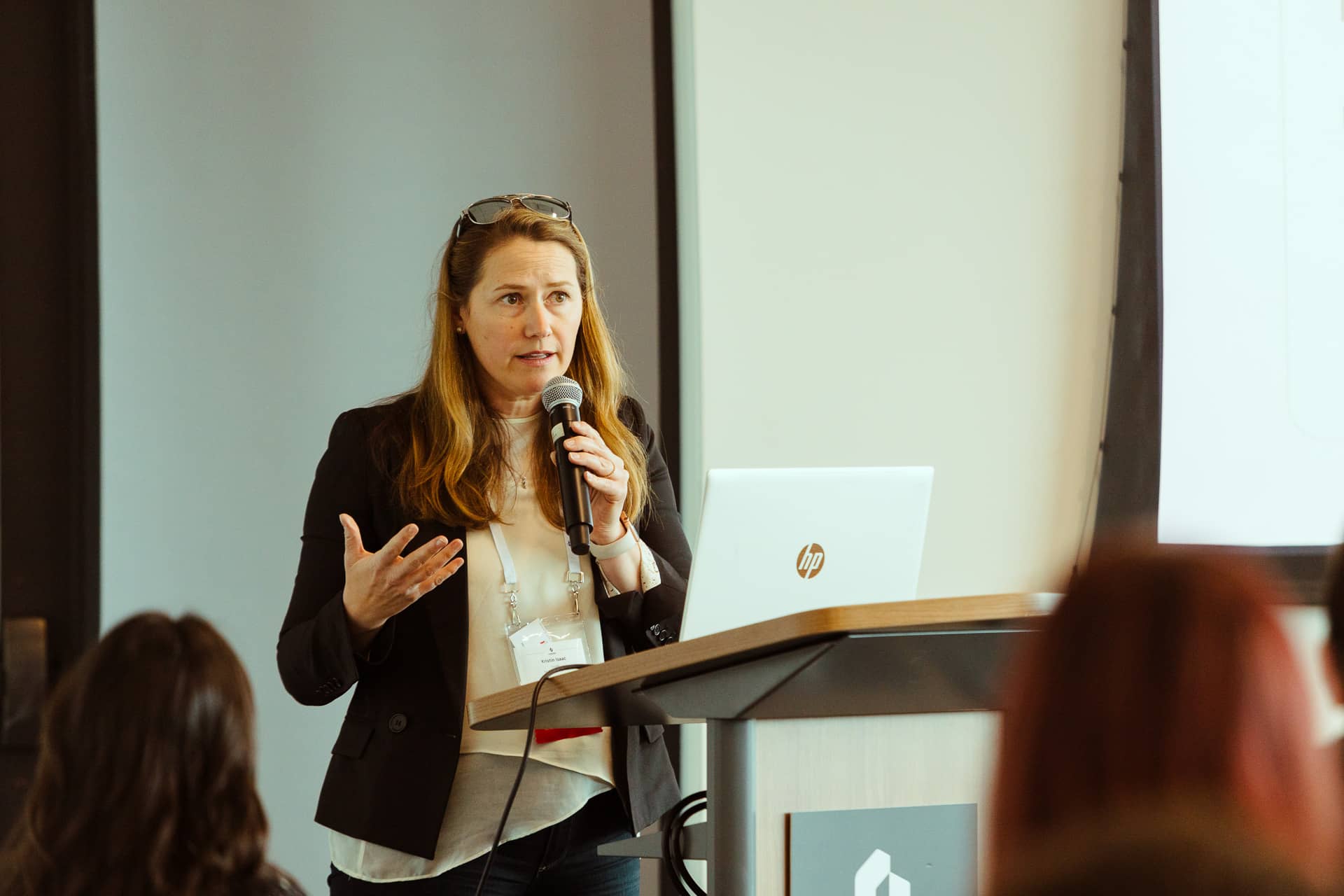
Strudel is Madison-based, founded by Kristin Isaac and Shai Rubin in early 2025, and won the Greater Madison Chamber of Commerce's Pressure Chamber competition last summer. Kristin hit a number at the summit that should make every manufacturing leader in Wisconsin pay attention.
95% of technical issues have already been solved by someone in the company before.
Which means companies are paying twice, three times, ten times to solve the same problem. Every time someone retires, that institutional knowledge walks out the door. 70% of the time, it's lost completely.
Strudel sits inside existing tools like Jira, Slack, and Datadog. When a tech support ticket comes in, the AI looks at the company's own historical data and surfaces the answer that was already worked out somewhere else. With sources. With context. Without the technician having to know who to call.
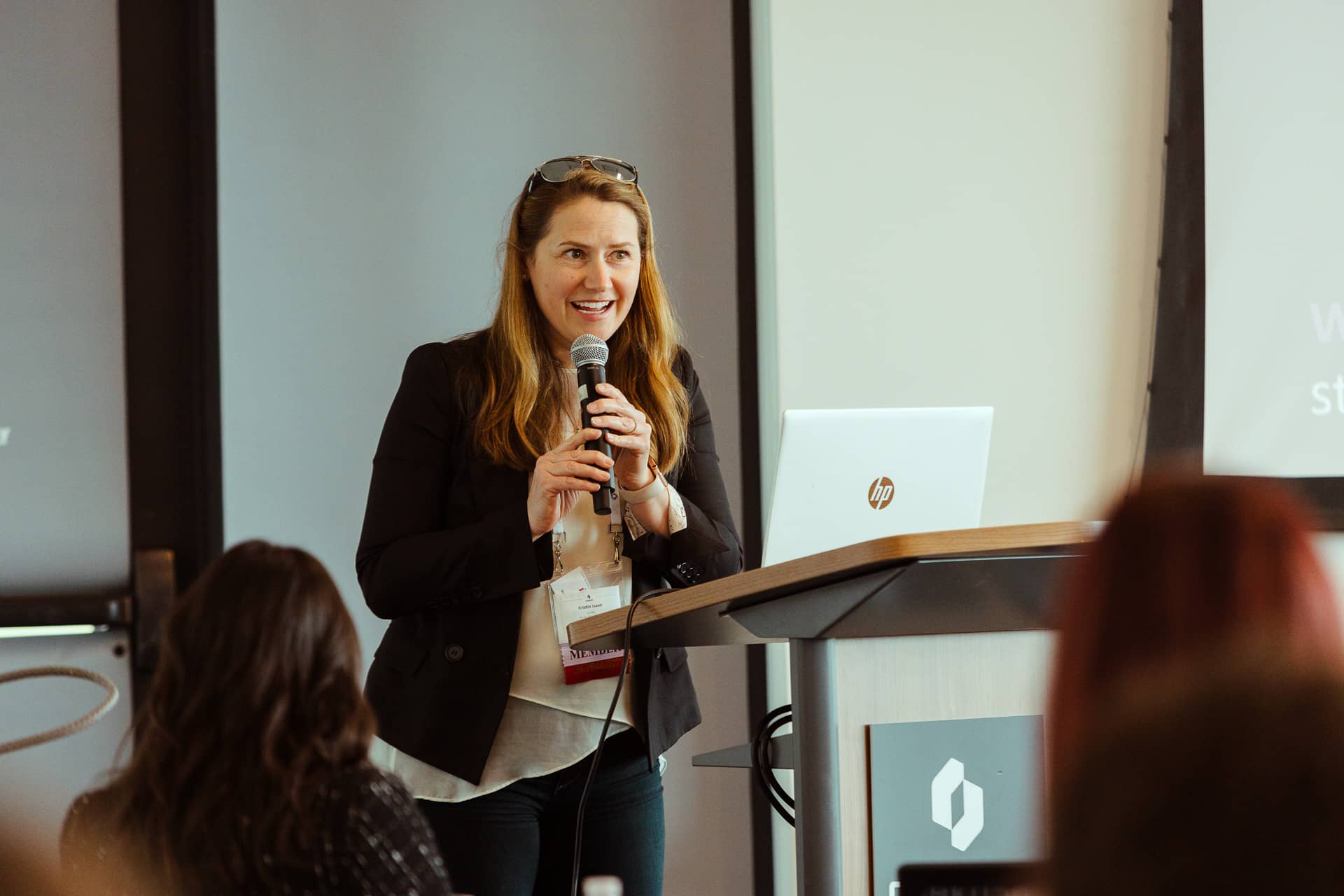
Kristin showed a side-by-side comparison that was useful. Generic LLMs return generic guidance. Something like, "Controller shutdown can be caused by power supply issues, contact a qualified technician." Helpful for nobody. Strudel returns specifics. Start with the power supply, and by the way, two other tickets had this same symptom on this exact model number, here's how those got resolved.
The bigger play is going from reactive to proactive. If five tickets come in about the same calibration drive issue, Strudel can flag it before the sixth customer is impacted. That's the part most companies underestimate.
How TechComb built computer vision that sorted 350 million golf balls
Jonathan Kretz, co-founder of TechComb, gave the most memorable demo of the day. He pulled three used golf balls out of his pockets and asked an audience member to grade them. Brand. Model. Year. Quality.
His company has sorted 350 million golf balls to date.
The story behind that number is what made it land. PJ Golf came to TechComb in 2019 with 30 million golf balls a year flowing through a manual sorting line. Brand. Model. Year. Surface quality. Final grade. Each step was a person. TechComb built parallel computer vision models that classify all of those attributes in less than a third of a second per ball.
The result: third shift eliminated, throughput doubled, the company got acquired by the largest golf ball manufacturer in the world, and part of the reason for that acquisition was the AI infrastructure TechComb had running.
Jonathan said he has personally built over a thousand AI vision models. Twenty are in production. The other 980 failed in some way. That ratio is exactly the point. You can't get to twenty in production without 980 attempts. Failure tolerance is the precondition.
TechComb is Fort Worth-based, but they just joined the gener8tor Madison Spring 2026 cohort, so the company is actively building relationships in the Wisconsin ecosystem right now.
Why this matters for Wisconsin manufacturers
Every panelist circled back to the same headwind. Manufacturing has 3.8 million unfilled roles in the US. The people with deep institutional knowledge are retiring fast. The pipeline of new workers is not filling fast enough.
AI in this context is not a productivity buzzword. It's how manufacturers are buying themselves time to figure out the workforce problem. Capture knowledge from retiring veterans. Make new hires productive faster. Shorten the gap between not knowing something and knowing it.
The other thing worth saying: all three companies talked about deployment, not just technology. Pick the right workflow. Bring the boots-on-the-ground users in early. Solve security and governance up front. The product matters less than how you roll it out.
For more on Wisconsin manufacturing specifically, a Green Bay founder digitizing the manufacturing paper trail shared why change management matters more than the technology. And the summit's other startup panel featured three Wisconsin startups bringing AI to food and ag.
If you would rather meet the next pipeline than read about it, a student hackathon in Green Bay runs an Industrial track on supply chains, manufacturing, and workplace safety, and it needs mentors from operations.
These are not future tools. Culligan is running Circuit in the field today. Strudel is shipping in customer environments right now. TechComb's vision systems are running in production facilities around the country.
If you run a manufacturing operation in Wisconsin and you haven't started exploring what AI can do for your floor, the gap is going to keep widening.