
Most AI panels run on buzzwords and a slide that says the future is here. The 2026 Wisconsin Tech Summit, hosted by the Wisconsin Technology Council at Oshkosh Corp HQ in late April, wasn't that one. Six industries, real deployments, and leaders willing to say what actually broke before it worked.
The room was Wisconsin business leaders getting candid about AI in production. CIOs from Alliant Energy and Sub-Zero. A CTO from Cresa. A software dev from Epic. The VP running corporate ventures and digital labs at Schreiber Foods. Plus the founding dean of UW-Madison's brand new College of Computing and Artificial Intelligence.
What stood out wasn't just the tech.
It was how consistently the same five lessons came up across totally different industries. If you missed the day, here are the five things Wisconsin's top AI leaders agreed on.
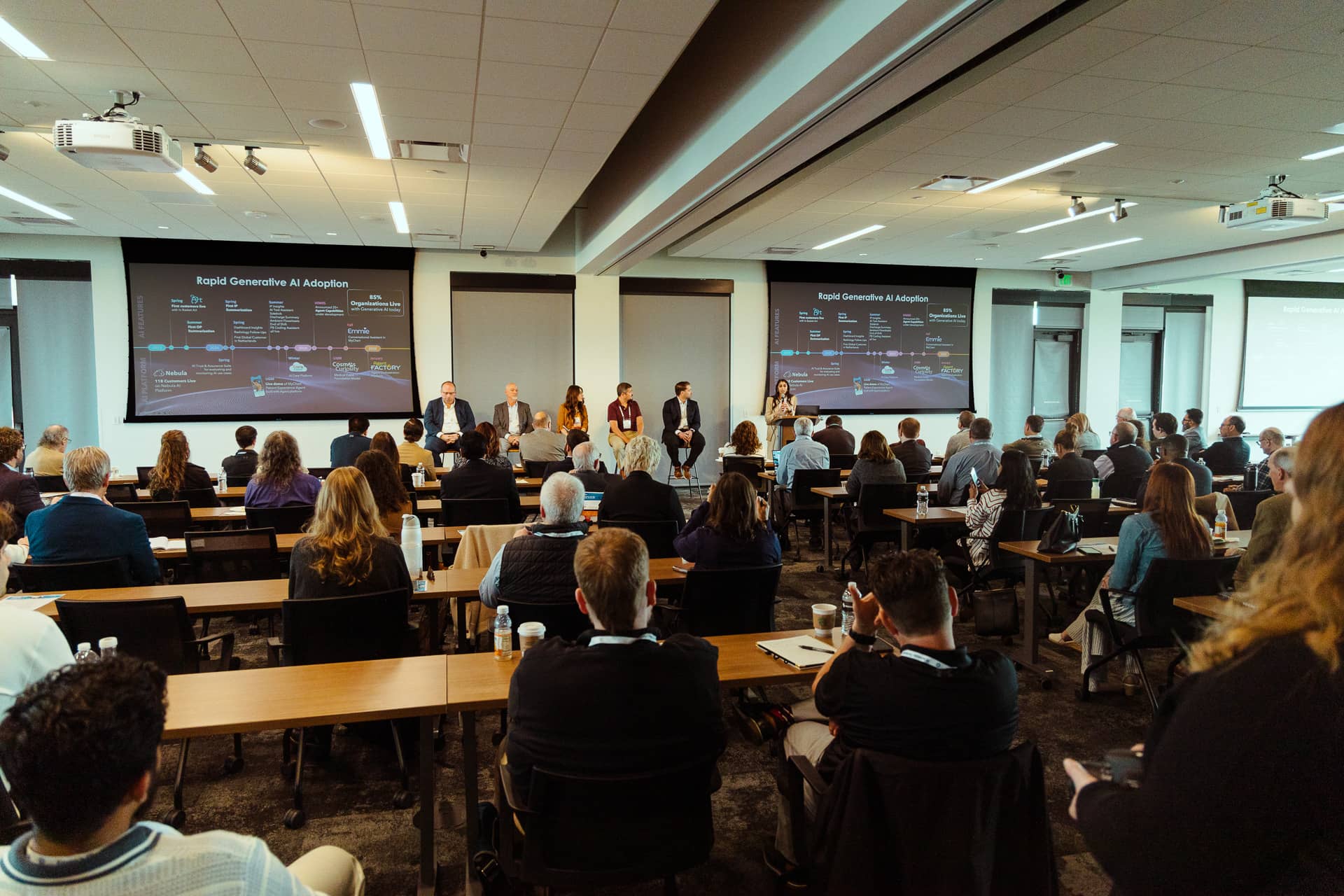
Start with the business problem, not the AI tool
Every panelist said this. Josh Murray, who leads AI at Alliant Energy, was the bluntest about it. The use cases that work come from the business, not from IT walking into the business with "I found a solution, do you have a problem for it?"
That last line got knowing laughs in the room. Most companies have done that. Most companies are still doing that.
The pattern from every speaker was the same. Figure out what's actually painful or repetitive in the existing workflow. Then ask if AI fits. Not the other way around. Josh's team at Alliant uses an online intake form where business teammates submit ideas with rough sizing. The best ones come from people closest to the work, not from a strategy team trying to find places to plug AI in.
Data readiness is the real bottleneck for AI adoption
Jody McDonough, CIO of Sub-Zero Group, made the most quotable statement of the day. Three things make AI work: good data, documented business rules, and clear guardrails. If you have those, you can apply AI to almost any problem.
Notice what's missing from that list. Models. Vendors. Hyperscalers. None of it matters if your data isn't ready.
Sub-Zero spent five years modernizing data infrastructure before AI delivered anything meaningful. Five years. Jody is the one who said this story has a happy ending. They moved data into Snowflake and Azure, mastered their core data sets, built out a stewardship network, and only after all of that started seeing exponential AI gains. Most companies want to skip those years. The companies actually shipping AI didn't.
A Madison founder hit the same wall in drug development, and went deep on fixing the data problem behind life-saving drugs on the podcast.
AI tools have to earn trust from the frontline
Jon Hardin, CTO of Cresa, runs technology for a commercial real estate firm where most brokers are not early adopters. His warning was direct. If a tool doesn't work quickly and clearly, brokers won't trust it. They'll just say the technology sucks and go back to what they were doing.
Cresa's response was to build trust into the product itself. Their lease abstraction tool shows where in the PDF every clause was found. It rates its own confidence on every answer. If it's only 75% sure, it tells you why.
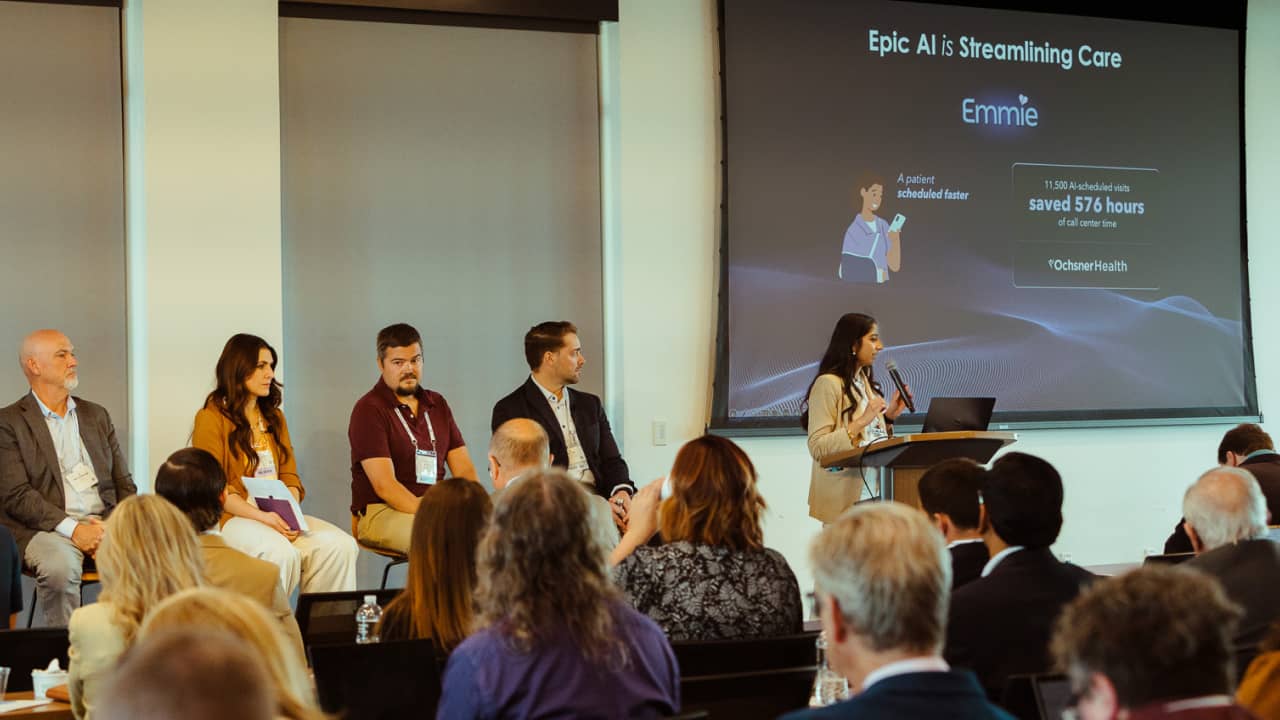
That kind of transparency is becoming non-negotiable. Carissa Kathuria, a software developer at Epic, said something similar. Their AI features cite sources and flag where the data came from. The pattern across both companies: AI tools that explain themselves get used. Ones that don't get abandoned.
Another Wisconsin founder is doing this in law. We unpacked building trustworthy AI for legal contract review on the podcast.
Executives have to use AI, not just champion it
Both Epic and Alliant cited their CEOs as the unlock. Not because the CEOs approved budgets. Because the CEOs personally use these tools every day.
Josh told a story about how Alliant's CEO is now ahead of him on Gen AI usage. She came to the executive team and told them this is not optional. That message cascaded fast. The executives told their middle managers. The middle managers told their teams. Within months, Josh was getting calls from peers asking him to help them get up to speed because their CEO was already there.
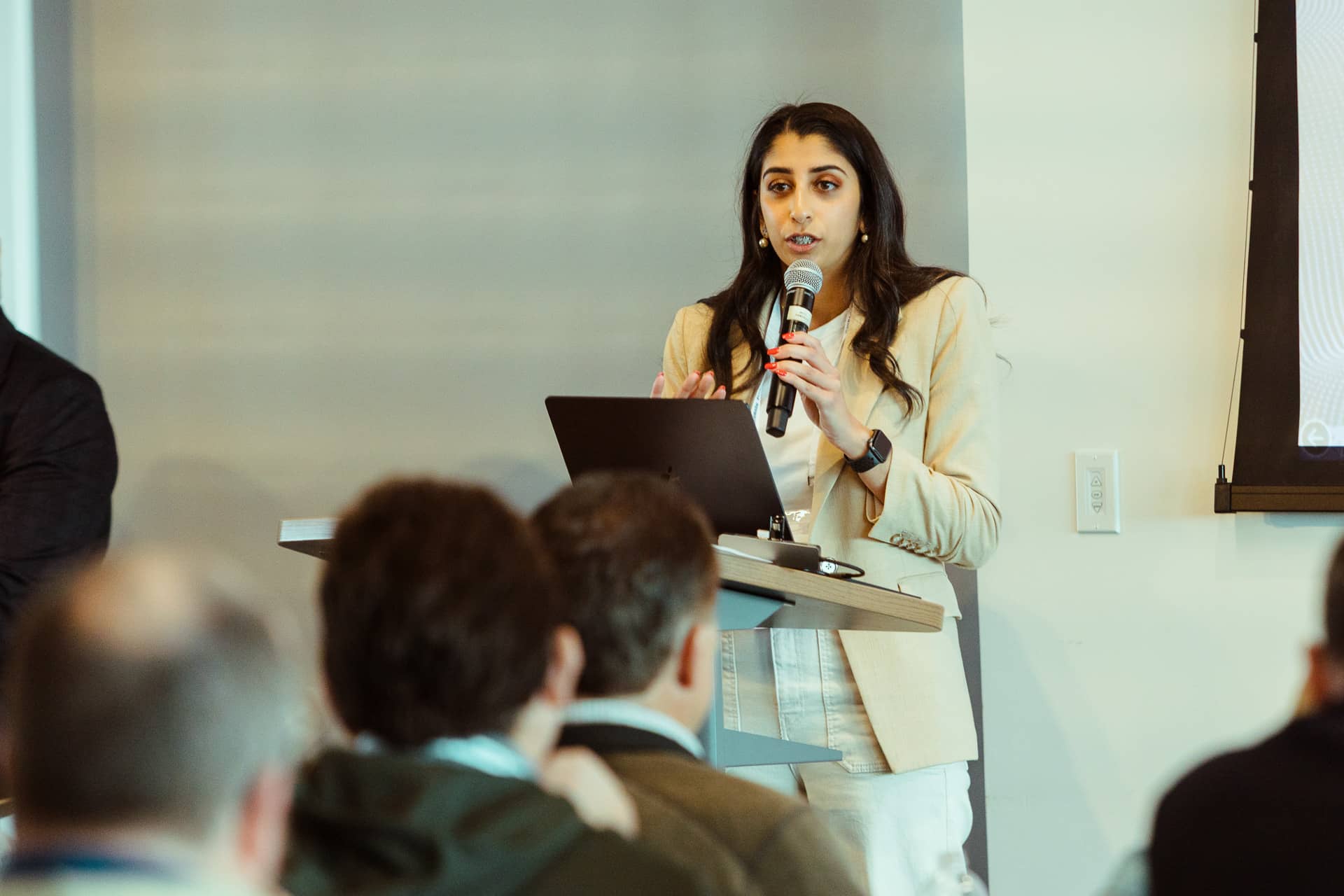
Carissa described Satya Nadella telling Epic leadership a few years ago that they had to be using these tools personally to build the right intuition for their teams. Epic took that seriously. Almost 90 AI workflows shipped. 85% of customers live with at least one of them.
The takeaway
Champion mode is not enough. If your executive team isn't using AI, your company won't either.
AI won't replace people. People using AI will.
Phrased a different way, you don't have to be afraid that AI will take your job. You should be more concerned that someone using AI will take your job. The people who treat these tools as serious workflow upgrades are getting more done, faster, with better quality.
AI today is the worst it will ever be. It was clunkier a year ago. It'll be sharper a year from now. So if you haven't started, start.
Where Wisconsin lands on AI
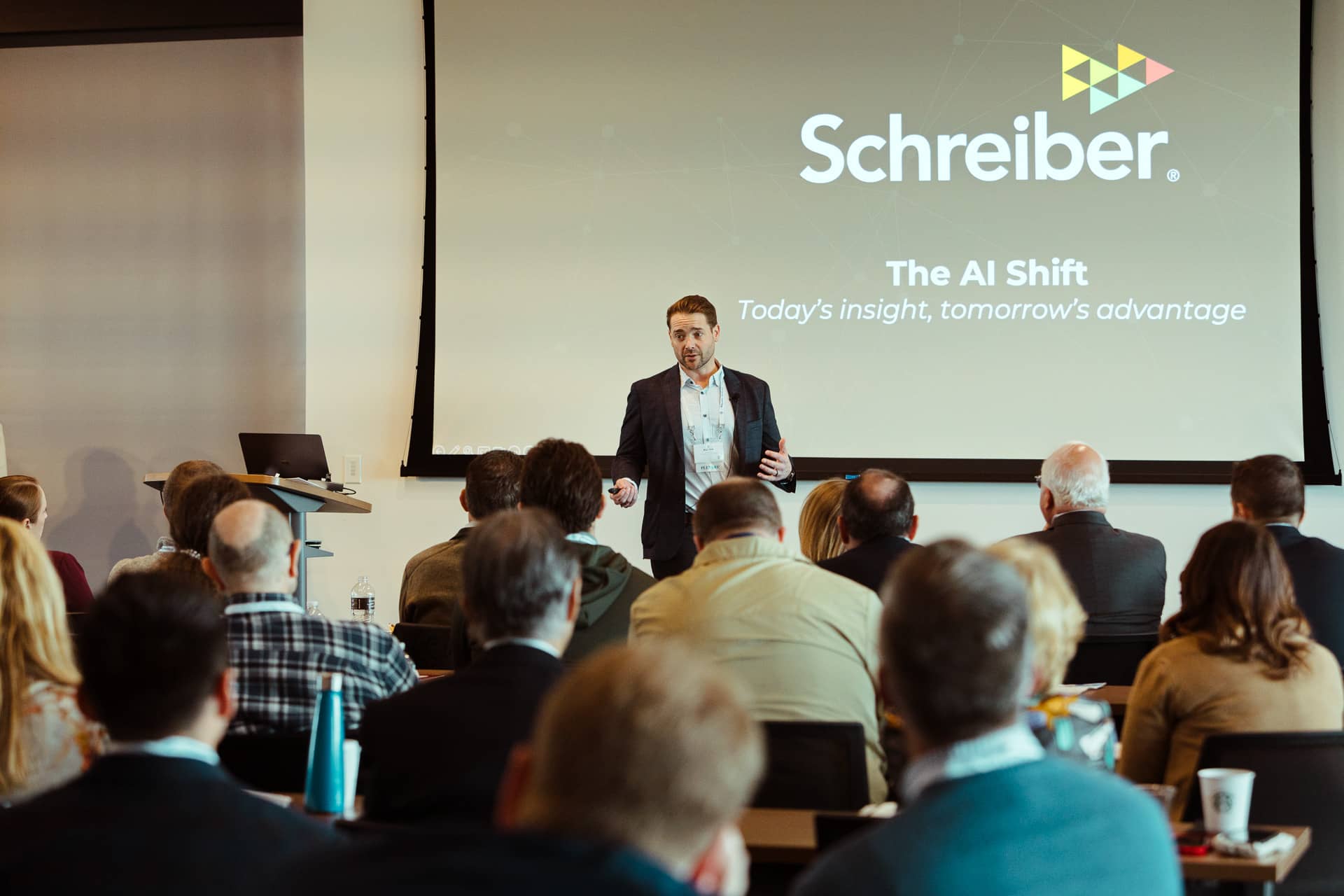
The morning keynote came from Remzi Arpaci-Dusseau, founding dean of UW-Madison's new College of Computing and AI, which launches July 1.
His framing was useful. He calls AI the "AI hypothesis." He started calling it that because if he stated it as a fact, faculty would just argue with him. Calling it a hypothesis got people to engage. And every month, the hypothesis gets more true.
His pitch for the new college was that universities have a responsibility to lean in. Not just to build talent for the tech industry, but to make sure every student in every field can use these tools when they enter the workforce.
The new college isn't UW-Madison's only push to turn research into companies. Jon Eckhardt laid out the Founder Forward vision for UW-Madison on the podcast.
Wisconsin has the ingredients
World-class research at UW-Madison. Major employers like Sub-Zero, Schreiber, and Epic actively deploying AI in production. Utilities like Alliant building infrastructure to support the next decade of growth. A new college of computing taking shape at the state's flagship university.
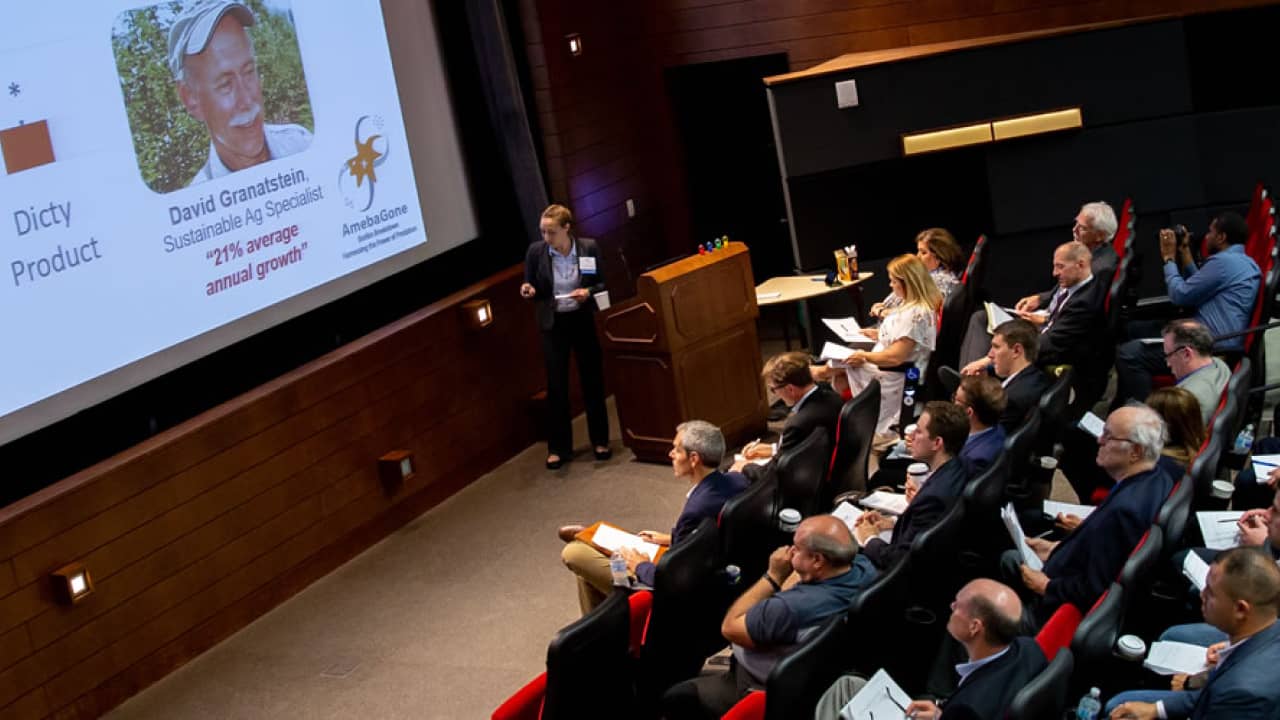
The summit's startup panels went deeper on specific sectors: three AI deployments in Wisconsin manufacturing and three Wisconsin startups bringing AI to food and ag.
The summit didn't try to hide the disagreements either. The data center plenary got into real public concerns about water use, energy costs, and who pays for new infrastructure. Those debates are not going away.
The companies that figure out how to put AI to work in their actual operations are going to pull ahead. The ones that don't are going to fall behind. Wisconsin has more advantages than most states.
Whether the state collectively leans in or watches from the sidelines is the open question.